
Quantity
In stock
$107.99
RRP $134.99
Website price saving $27.00 (20%)
Description
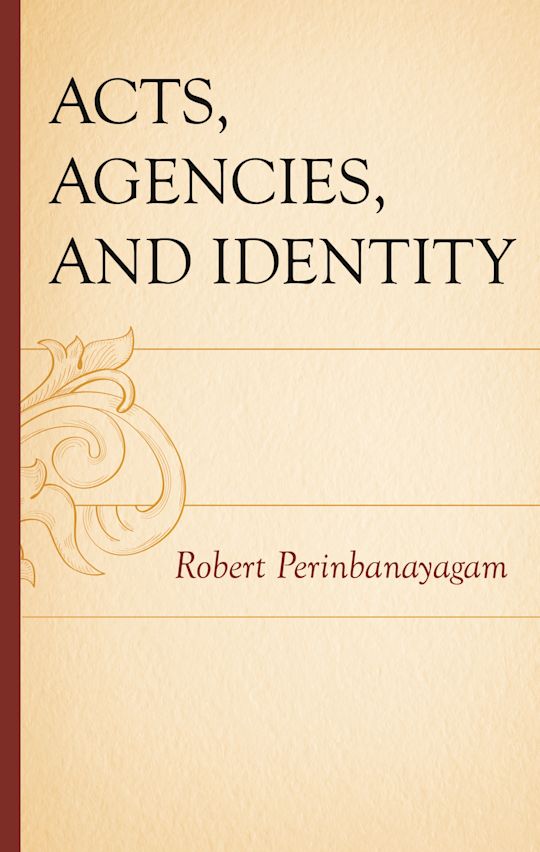
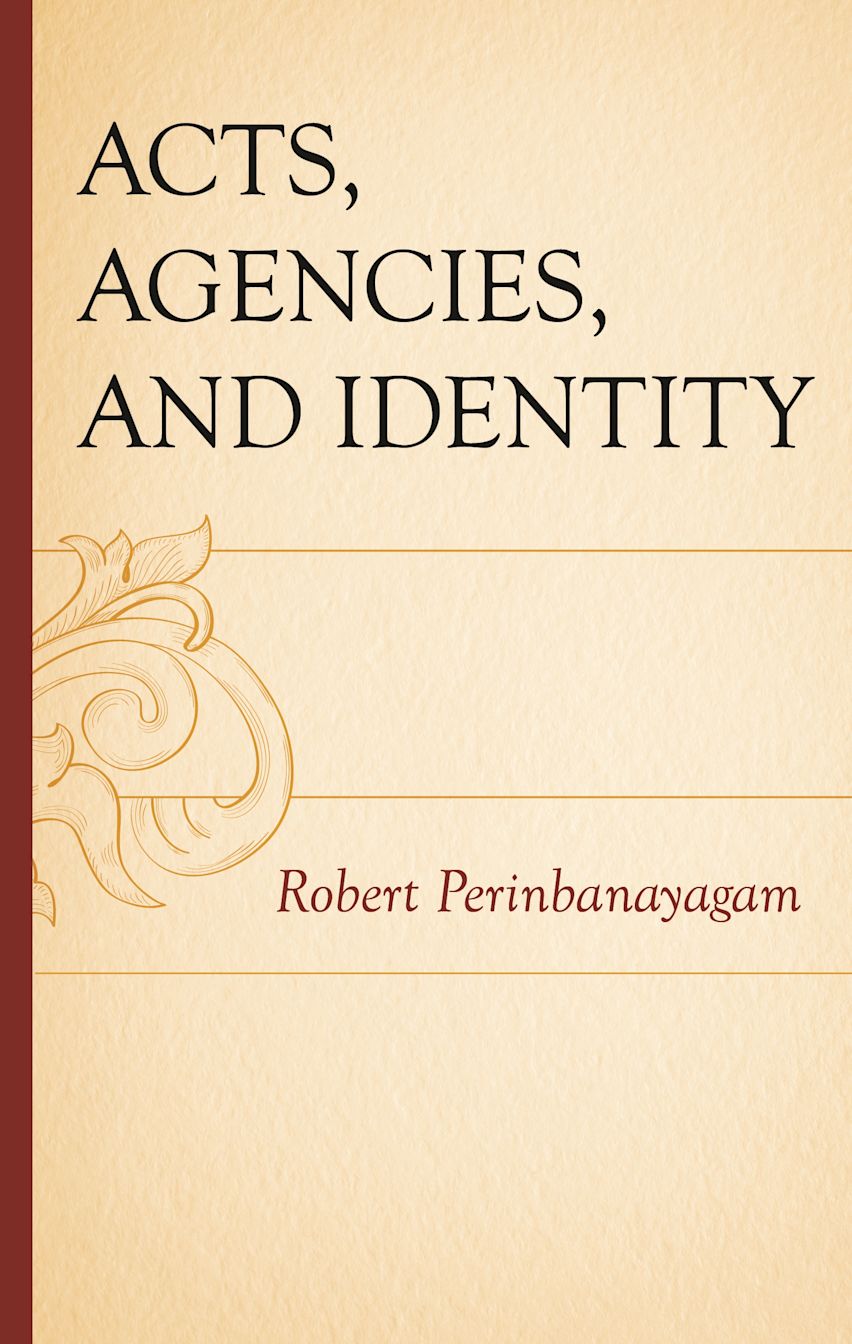
The book examines the interactional processes between individuals using ideas from George Herbert Mead, Kenneth Burke, and Mikhail Bakhtin. It focuses on how people communicate and interact, following a "grammar of motives" proposed by Burke. This grammar consists of six elements: act, agent, scene, agency, attitude, and purpose, which are present in all human conduct and relations. Robert Perinbanayagam applies this grammar to various social phenomena, such as talking, identity, religion, ritual, suicide, games, astrological consultations, and inequality.
Accessibility Information
Additional accessibility information
- PDF/UA-2, 1.4
- accessibility@bloomsbury.com
Hazards
The publication contains no hazards
Support for non-visual reading
Has alternative text descriptions for images
Navigation
- Page list to go to pages from the print source version
- Elements such as headings, tables, etc for structured navigation
- All or substantially all textual matter is arranged in a single logical reading order
Table of Contents
Chapter1: Talking
Chapter 2: The Grammar of Identity
Chapter 3: Religion as Narrative and Drama
Chapter 4: The Narrated Self: The Talk of Astrology
Chapter 5: The Dramas of Suicide: Detailing Durkheim
Chapter 6: The Drama and Rhetoric of Forms in Games
Chapter 7: Identity: Relations, Habitats, and Artifacts
Chapter 2: The Grammar of Identity
Chapter 3: Religion as Narrative and Drama
Chapter 4: The Narrated Self: The Talk of Astrology
Chapter 5: The Dramas of Suicide: Detailing Durkheim
Chapter 6: The Drama and Rhetoric of Forms in Games
Chapter 7: Identity: Relations, Habitats, and Artifacts
Product details
| Published | 15 Feb 2025 |
|---|---|
| Format | Ebook (PDF) |
| Edition | 1st |
| Pages | 1 |
| ISBN | 9781978783645 |
| Imprint | Lexington Books |
| Publisher | Bloomsbury Publishing |

ONLINE RESOURCES
Bloomsbury Collections
This book is available on Bloomsbury Collections where your library has access.
Related Titles