The Ethics of Amnesty in Times of Transition
Justice, Peace, Truth, and the Law
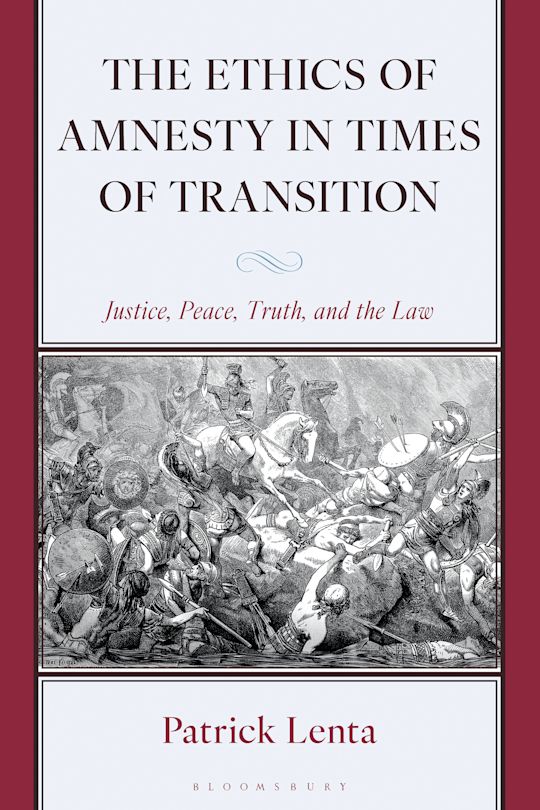

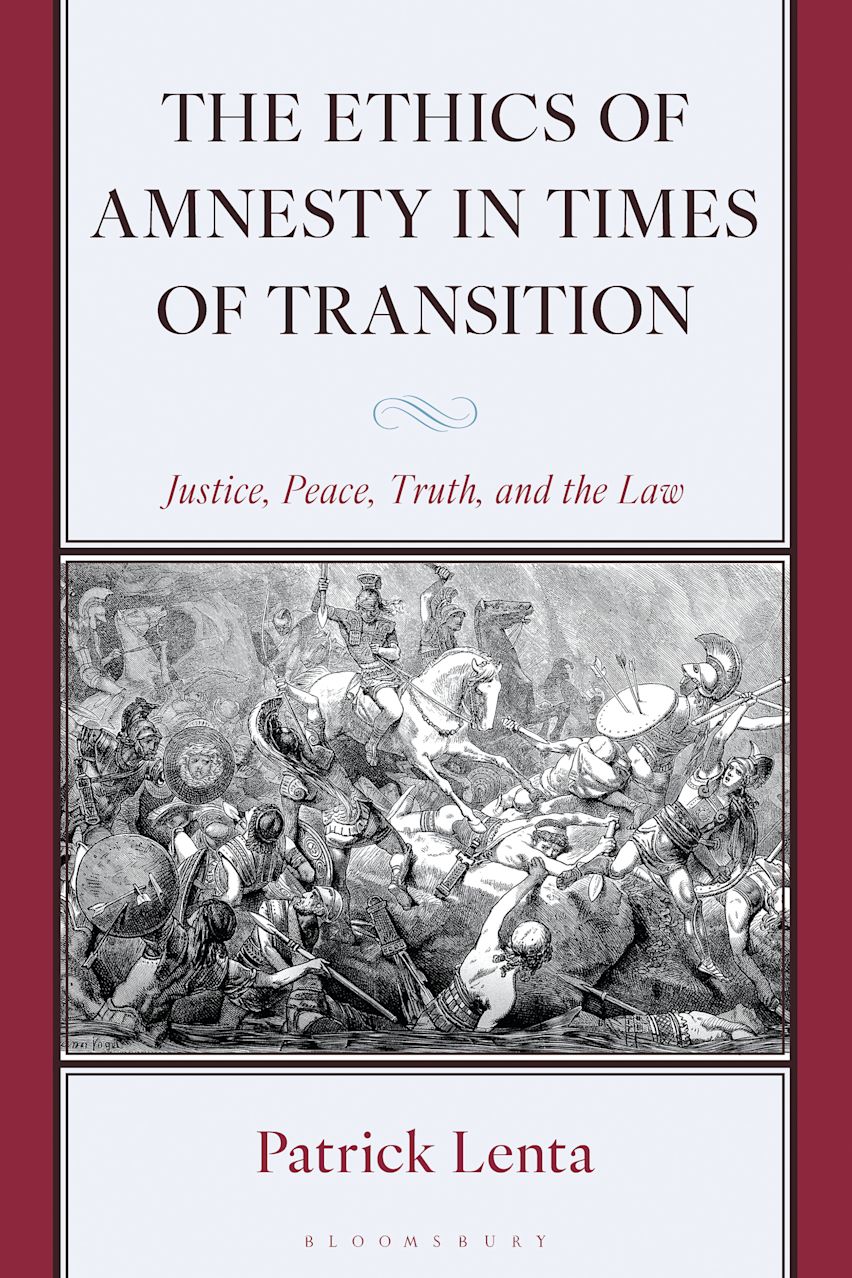
The Ethics of Amnesty in Times of Transition
Justice, Peace, Truth, and the Law
Buying pre-order items
Ebooks and Audiobook
You will receive an email with a download link for the ebook or audiobook on the publication date.
Payment
You will not be charged for pre-ordered books until they are available to be shipped. Pre-ordered ebooks will not be charged for until they are available for download.
Amending or cancelling your order
For orders that have not been shipped you can usually make changes to pre-orders up to 72 hours before the publishing date.
Payment for this pre-order will be taken when the item becomes available
- Delivery and returns info
-
Flat rate of $10.00 for shipping anywhere in Australia
Description
Focused on the moral status of amnesty conferred in transitional justice settings, this book assesses arguments for and against its use.
Amnesty-immunity from prosecution and punishment conferred on groups of perpetrators of wrongdoing committed during a period of violent intra-state political conflict or state repression-is commonly employed in transitional justice settings around the globe. Yet this practice is widely deplored on account of allowing some of the most reprehensible wrongdoers to enjoy impunity.
Within philosophy of law, the issues involved in amnesty are intricate and center on basic questions of justice and fairness, though they are rarely treated with conceptual clarity and argumentative rigor. Patrick Lenta offers a comprehensive examination of the ethical status of amnesty and its relation to retributive justice, restorative justice and related notions of plea bargains, forgiveness, truth, debt remission, and punishment forbearance.
The book submits to critical scrutiny the three most common objections to amnesty, as well as eight of the most powerful justifications in its support, asking whether, in what circumstances, and subject to which terms, the amnestying of perpetrators of human rights abuses is justified. It finds that while most justifications do not convincingly counter the objections levelled against amnesty, the exceptionless condemnation of amnesty covering serious human rights violations by the United Nations and other international organizations is unwarranted.
Table of Contents
1. Introduction
Part I: Objections to Amnesty
2. A Sacrifice of Justice
3. A Violation of the Rule of Law
4. A Forgoing of Benefits
Part II: The Supposed Justifications
5. Retributive Justice and Transitional Justice
6. Amnesty as Mercy
7. Amnesty as Forgiveness
8. Nonculpable Ignorance
Part III: Putative Rationales for Amnesty Conditional on Truth
9. A Retributivist Amnesty?
10. The Right to Know
11. Can Amnesties Promote Restorative Justice?
Conclusion
Bibliography
Index
Product details

| Published | 13 May 2027 |
|---|---|
| Format | Hardback |
| Edition | 1st |
| Pages | 256 |
| ISBN | 9798216462613 |
| Imprint | Bloomsbury Academic |
| Dimensions | 229 x 152 mm |
| Publisher | Bloomsbury Publishing |
Related Titles