Filming the First
Cinematic Portrayals of Freedom of the Press
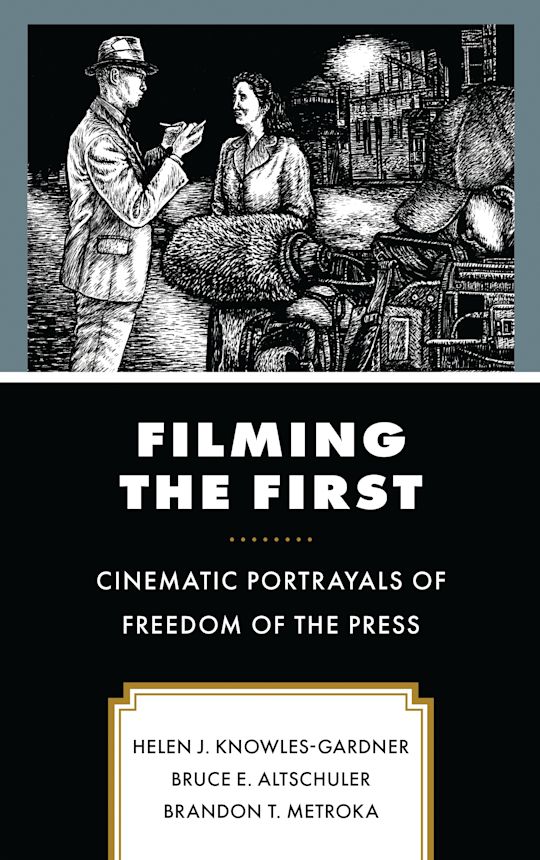

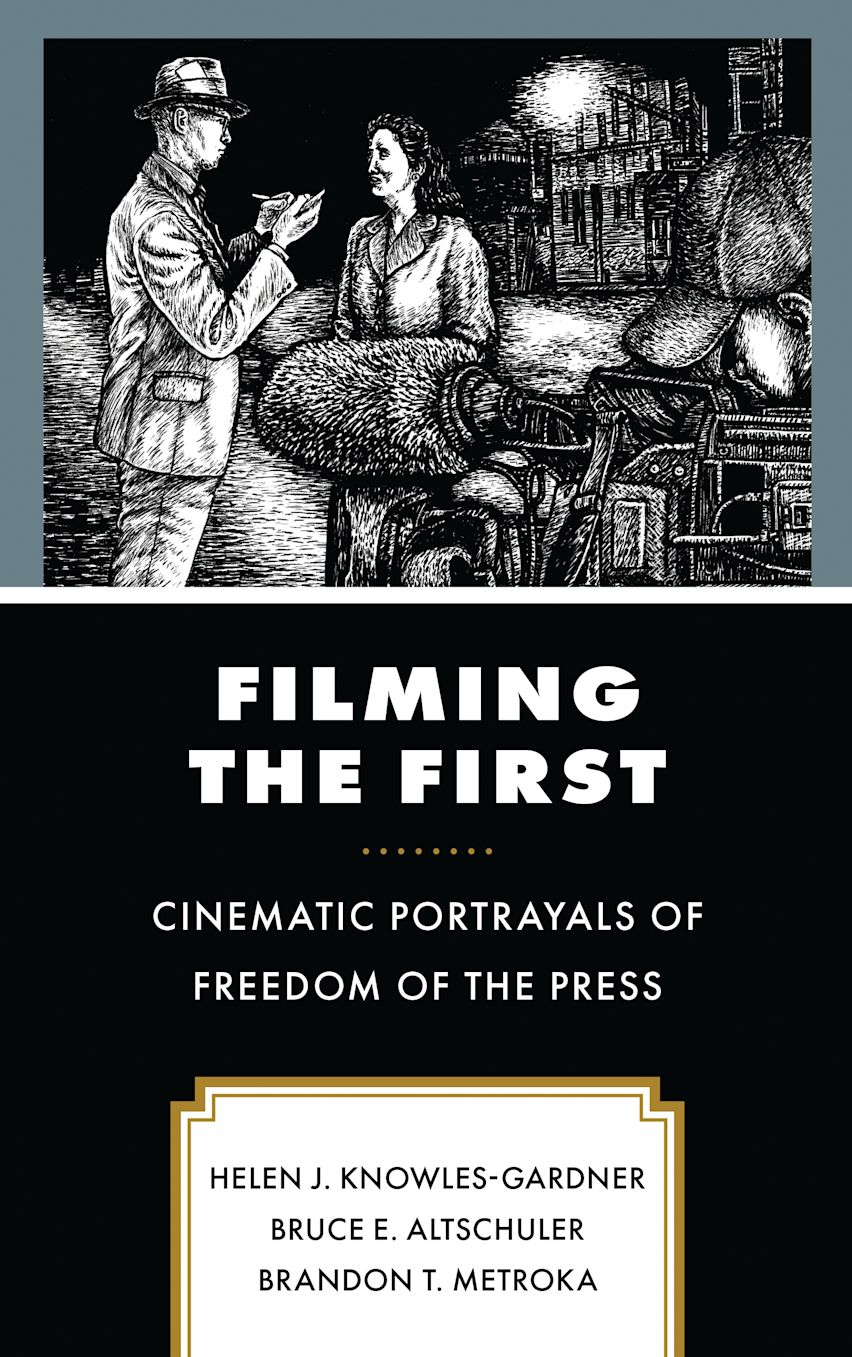
Filming the First
Cinematic Portrayals of Freedom of the Press
Description
The First Amendment to the U.S. Constitution prohibits Congress from abridging freedom of the press. But, as the printed press has been transformed into mass media with Americans now more likely to get their political information from television or social media than from print, confidence in this important, mediating institution has fallen dramatically. Movies, in their role as cultural artifacts, have long reflected and influenced those public attitudes, inventing such iconic phrases as “follow the money” from All the President’s Men and “I’m mad as hell and I’m not going to take this anymore” from Network. Filming the First: Cinematic Portrayals of Freedom of the Press analyzes eighteen films that span from Citizen Kane to Spotlight showing changes in how the press have been portrayed over time, which voices receive the most attention and why, the relationship between the press’s “Fourth Estate” role and the imperatives of capitalism, and how, despite the First Amendment’s seemingly absolute language, the government has sometimes been able to limit what the public can read or view.
Accessibility Information
Additional accessibility information
- EPUB 3.0
- Conforms with the requirements of EPUB Accessibility Spec v1.1
- WCAG level AA
- WCAG v2.2 compliant
- accessibility@bloomsbury.com
Hazards
The publication contains no hazards
Support for non-visual reading
- No accessibility features offered by the reading system, device or reading software are disabled or otherwise unusable with the product
- Has alternative text descriptions for images
Visual adjustments
Appearance of the text and page layout can be modified according to the capabilities of the reading system (font family and size, spaces, as well as color of background and text)
Navigation
- Page list to go to pages from the print source version
- Elements such as headings, tables, etc for structured navigation
- All or substantially all textual matter is arranged in a single logical reading order
- Content is enhanced with ARIA roles to optimize organization and facilitate navigation
- Purposes of all links are made clear
Rich content
Language tagging provided
Table of Contents
By Helen J. Knowles-Gardner
Chapter 2. A Media Mogul Battles Against His Fictional Doppelganger: Citizen Kane and RKO 281
By Bruce E. Altschuler
Chapter 3. Heroic Newspaper Reporters, Editors, and Publishers Battle the President – All the President’s Men and The Post
By Bruce E. Altschuler
Chapter 4. Technology Transforms the Press into the Media: Network and The Social Network
By Bruce E. Altschuler
Chapter 5. “How Can We Possibly Approve and Check the Story…?”: Good Night, and Good Luck and The China Syndrome
By Helen J. Knowles-Gardner
Chapter 6. Testing the Limits of Freedom: Denial and Deliberate Intent
By Helen J. Knowles-Gardner
Chapter 7. Responsibility Matters: Shattered Glass
By Helen J. Knowles-Gardner
Chapter 8. Creating Protagonists, Competing Interests, and Uncertain Legal Standards: The People vs. Larry Flynt and Citizenfour
By Brandon T. Metroka
Chapter 9. A Tale of One Press Clause and Two Journalisms: Spotlight and Out in the Night
By Brandon T. Metroka
Chapter 10. Mainstream Press Negligence and its Effects: The Normal Heart and Tongues Untied
By Brandon T. Metroka
Product details
| Published | 15 Oct 2024 |
|---|---|
| Format | Ebook (Epub & Mobi) |
| Edition | 1st |
| Pages | 304 |
| ISBN | 9781793650450 |
| Imprint | Lexington Books |
| Series | Politics, Literature, & Film |
| Publisher | Bloomsbury Publishing |
Reviews

ONLINE RESOURCES
Bloomsbury Collections
This book is available on Bloomsbury Collections where your library has access.
Related Titles