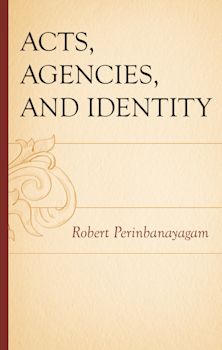

Description
For the last twenty-thousand years, dogs and people have shared a unique bond in the animal kingdom. In How Our Love of Dogs Creates Social Conflict, James K. Beggan uses symbolic interaction to examine the meaning that dogs have for people as friends and family members. Although many animal rights advocates express dismay over the subordinate status ownership implies, the author argues that ownership creates a powerful psychological connection that makes it easier for people to imbue dogs with humanlike characteristics.
Beggan outlines how dogs’ sensitivity to inequity, in combination with a high degree of cognitive capacity, makes it possible for dogs to be active agents in creating conflict between people. The author's analysis of social conflict between people over their dogs connects to profound philosophical concepts about the nature of mind, the relationship between humans and animals, and the moral responsibility human beings have to dogs and other animals.
Accessibility Information
Additional accessibility information
- PDF/UA-2, 1.4
- accessibility@bloomsbury.com
Hazards
The publication contains no hazards
Support for non-visual reading
Has alternative text descriptions for images
Navigation
- Page list to go to pages from the print source version
- Elements such as headings, tables, etc for structured navigation
- All or substantially all textual matter is arranged in a single logical reading order
Table of Contents
Chapter 2: Identity and Dog Ownership
Chapter 3: Constructing a Liminal Space for Dogs
Chapter 4: Conceptualizing Triads
Chapter 5: Triads of Dogs and People
Chapter 6: The Moral Weight of Animal Minds
Chapter 7: The Perception of Dogs as People
Chapter 8: Dogs as Active Agents in Social Conflict
Chapter 9: Dogs and Societal Conflict
Product details
| Published | 07 Sep 2022 |
|---|---|
| Format | Ebook (PDF) |
| Edition | 1st |
| Pages | 256 |
| ISBN | 9798765184356 |
| Imprint | Lexington Books |
| Publisher | Bloomsbury Publishing |

Reviews
ONLINE RESOURCES
Bloomsbury Collections
This book is available on Bloomsbury Collections where your library has access.
Related Titles