
Modernism and the Classics in Central European Art
Buying pre-order items
Ebooks and Audiobook
You will receive an email with a download link for the ebook or audiobook on the publication date.
Payment
You will not be charged for pre-ordered books until they are available to be shipped. Pre-ordered ebooks will not be charged for until they are available for download.
Amending or cancelling your order
For orders that have not been shipped you can usually make changes to pre-orders up to 72 hours before the publishing date.
Payment for this pre-order will be taken when the item becomes available
Description
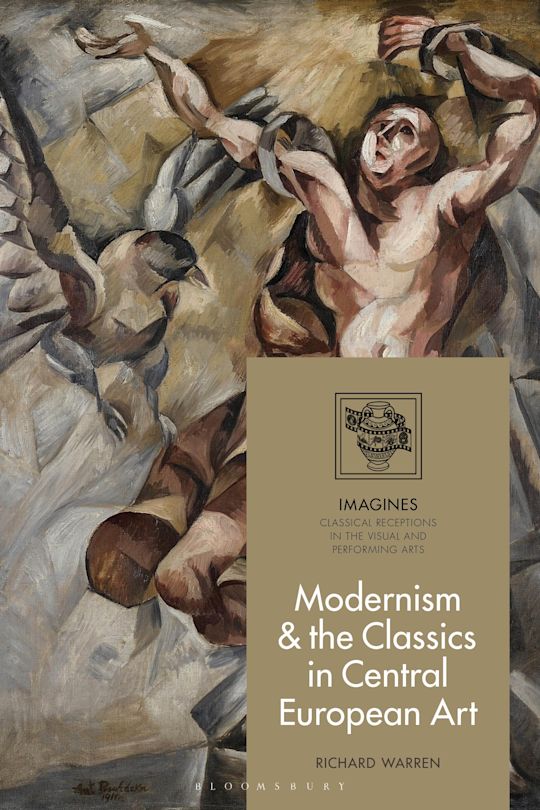
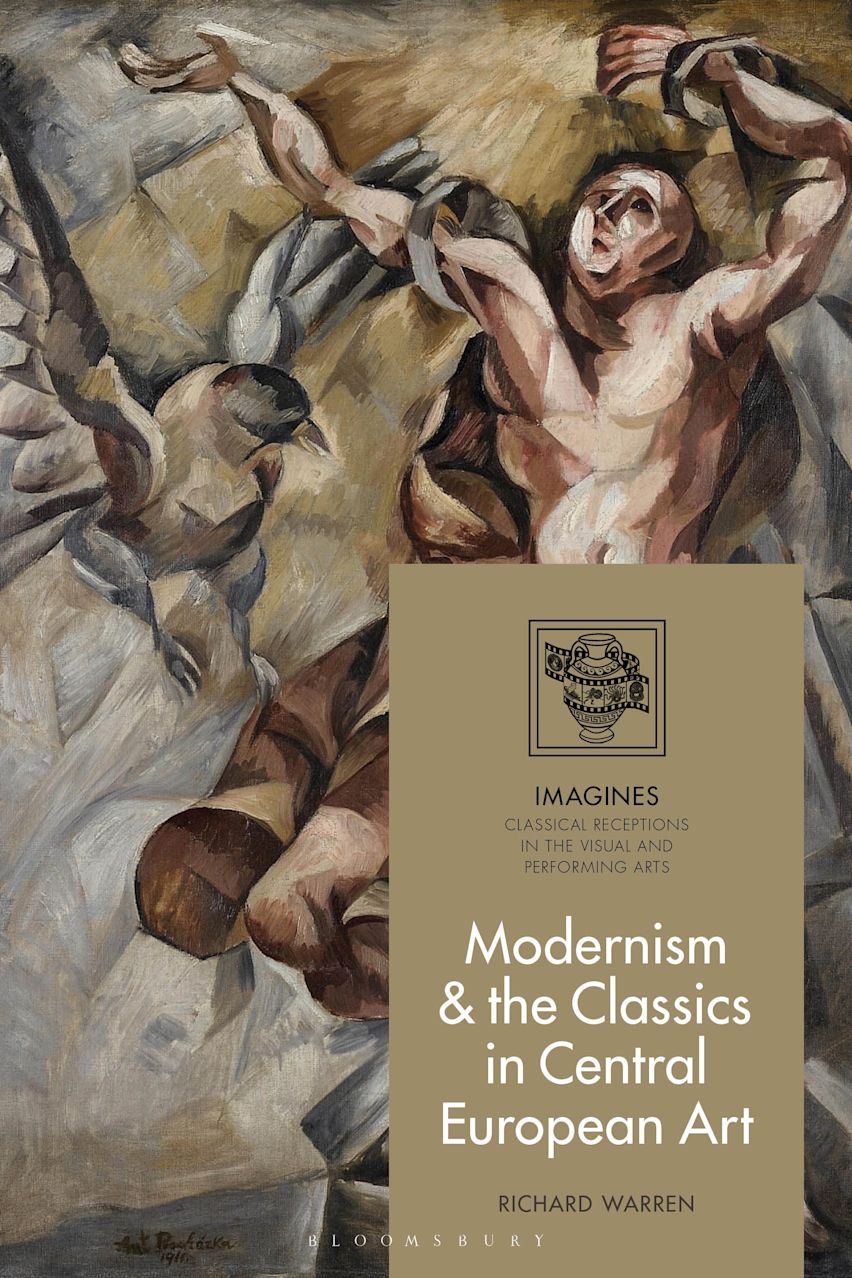
Central European Modernists radically re-invented the classical tradition in art between the two world wars. This book breaks new ground in elucidating how Fauvists, Expressionists, Cubists and Surrealists successively constructed and deconstructed the classics for their own ends. The First World War changed forever the way artists conceived of their art, and of the role of the classics in it. This was above all true in Germany, where the trauma of war and its aftermath made the classical arcadias so beloved of neoclassical art seem a distant dream. Yet while some Fauvists continued to cling in escapism to classical idylls, many Expressionists instead turned to the classics for a new language with which to express the suffering of war.
Elsewhere in central Europe, and in Czechoslovakia above all, Cubist artists re-cast the classics in radical new ways in their search to construct new artistic forms. Then as the cosmopolitanism of the 1930s ebbed away, Nazi artists too turned back to the classics, and above all to Greek sculpture, for inspiration for their racial and political ideal. Striking out on their own, the Surrealists consciously injected disorder into their art, simultaneously rejecting and embracing the classical tradition in a way never seen before in Western art. Tracing the complex relationship of Modernism and the classics in central Europe, this book writes a new chapter in the history of classical reception in the arts. Through engagement with Central European scholarship not currently available in English, it makes accessible key material on these artists.
Accessibility Information
Additional accessibility information
- EPUB 3.0
- Conforms with the requirements of EPUB Accessibility Spec v1.1
- WCAG level AA
- WCAG v2.2 compliant
- accessibility@bloomsbury.com
Hazards
The publication contains no hazards
Support for non-visual reading
- No accessibility features offered by the reading system, device or reading software are disabled or otherwise unusable with the product
- Has alternative text descriptions for images
Visual adjustments
Appearance of the text and page layout can be modified according to the capabilities of the reading system (font family and size, spaces, as well as color of background and text)
Navigation
- Page list to go to pages from the print source version
- Elements such as headings, tables, etc for structured navigation
- All or substantially all textual matter is arranged in a single logical reading order
- Content is enhanced with ARIA roles to optimize organization and facilitate navigation
- Purposes of all links are made clear
Rich content
Language tagging provided
Table of Contents
1. Modernists and the Classics
2. Fauvists
3. Expressionists
4. Cubists
5. Surrealists
Conclusion
Notes
Bibliography
Index
Product details

| Published | 10 Jun 2027 |
|---|---|
| Format | Ebook (Epub & Mobi) |
| Edition | 1st |
| Pages | 208 |
| ISBN | 9781350118164 |
| Imprint | Bloomsbury Academic |
| Illustrations | 30 bw illus |
| Series | IMAGINES – Classical Receptions in the Visual and Performing Arts |
| Publisher | Bloomsbury Publishing |

Related Titles