The Muslim Brotherhood, Hezbollah and Hamas
The Muslim Brotherhood, Hezbollah and Hamas
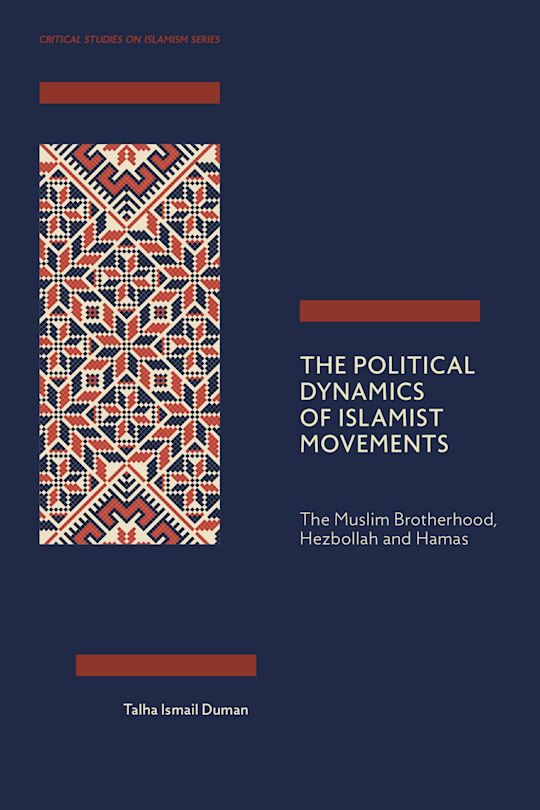

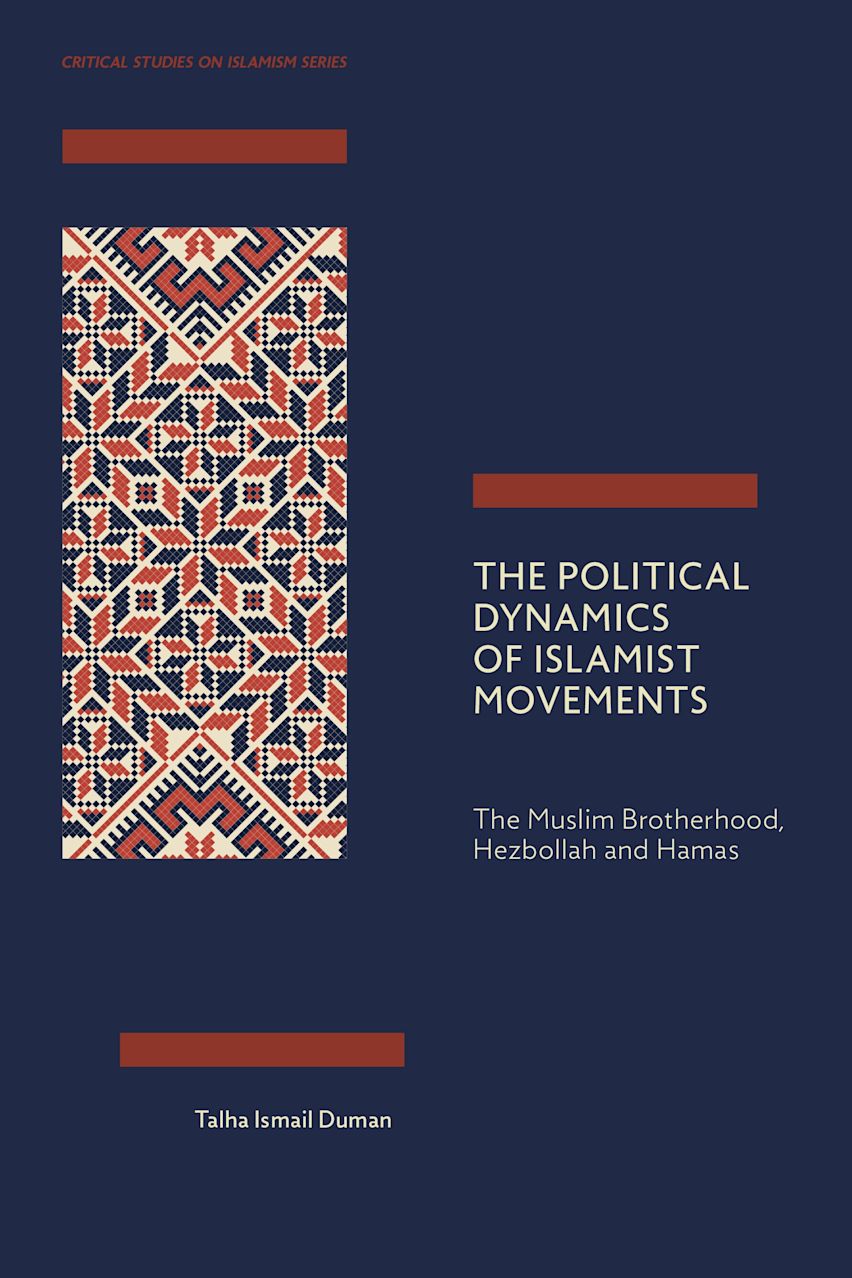
The Muslim Brotherhood, Hezbollah and Hamas
The Muslim Brotherhood, Hezbollah and Hamas
Buying pre-order items
Ebooks and Audiobook
You will receive an email with a download link for the ebook or audiobook on the publication date.
Payment
You will not be charged for pre-ordered books until they are available to be shipped. Pre-ordered ebooks will not be charged for until they are available for download.
Amending or cancelling your order
For orders that have not been shipped you can usually make changes to pre-orders up to 72 hours before the publishing date.
Payment for this pre-order will be taken when the item becomes available
- Delivery and returns info
-
Flat rate of $10.00 for shipping anywhere in Australia
Description
The Muslim Brotherhood, Hamas and Hezbollah are pivotal Islamist actors in the region. But while each is deeply rooted in social welfare and community engagement they have followed strikingly different political paths. This book uses Social Movement Theory to explain why, examining how the interplay of ideology, organization and external pressures have shaped their political roles. This is the first book to examine these three groups together, and the study integrates theoretical analysis with in-depth case studies as well as interviews with key figures from the movements. In doing so, it provides a nuanced and comprehensive understanding of the political dynamics of Islamist groups.
Table of Contents
The Comparative Logic and Central Argument of the Book
Ideology, Organisation, and Political Context
What This Book Contributes
Key Concepts and Theoretical Commitments
What We Mean by Social Movements
What Counts as 'Political'
Islamist Movements as Socio-Political Actors
Social Movement Theory as an Analytical Lens
How Movements Change: Trajectories and Transformations
Structure of the Book
CHAPTER 1: TRANSFORMATIONS OF ISLAMIST MOVEMENTS
The Muslim Brotherhood: Structure, Organisation, and Transformation
Expansion and Consolidation
Under Nasser and Sadat: Repression and Adaptation
From Opposition to Power: Mubarak to the Arab Spring
Assessing the Transformations of the Muslim Brotherhood
Hezbollah: Armed Movement or Socio-Political Actor?
The Long Road to Hezbollah: Shiite Mobilisation
Founding Hezbollah: Cadres and Catalysts
Israel's Invasion, Iran's Revolution, and the AMAL Break
Hybrid Struggle and the Role of Iran
Hezbollah's Historical and Organisational Transformations
Patterns of Transformation in Hezbollah
Hamas: From Social Reform to Hybrid Resistance and Politics
From the Palestinian Brotherhood to Hamas
The Founding of Hamas
Hamas and Entry into Institutional Politics
Rethinking Hamas's Transformation
CHAPTER 2: STRUCTURAL CONDITIONS, AUTONOMY AND POLITICAL STRATEGY
State Structures and Governance
Authoritarian Repression and Political Constraint
A Strong Actor in a Weak State
From Stateless Governance to Authority in Gaza
Economic-Political Independence and External Support
From Seeking External Support to Self-Sufficiency
Sponsor–Proxy Relations: Puppet or Agent?
Diversifying External Support and Preserving Decision-Making Autonomy
Political Opportunity Structures and Constraints
The Muslim Brotherhood: Opportunities under Intense Constraint
Turning Hardship into Opportunity: Hezbollah's Reading of Opportunity Structures
Hamas: Between Political Vacuums and International Pressure
Structural Context, External Support, and Opportunity–Constraint Balances
CHAPTER 3: IDEOLOGY AND POLITICAL STRATEGY
Religious–Political Interpretations
Reformism and Internal Conflict in the Muslim Brotherhood
Between a Revolutionary Agenda and Ideological Flexibility: Hezbollah
From Revolutionary–Reformist Thought to Pragmatic Politics: Hamas
Anti-Occupation, Anti-Imperialism, and Western Liberalism
The Muslim Brotherhood: Anti-Imperialist or Anti-Western?
Hezbollah: Politicizing Anti-Western Imperialism
From Social and Cultural Opposition to Political Resistance: Hamas
Ideological Framing and Political Practice
The Muslim Brotherhood: The Dilemma of Political Pluralism and Power Sharing
Hezbollah with a Shadow Power: Revisionist or Status Quo-Oriented?
Hamas: Between a Power-Sharing and Authoritarian Practices
Shared Frameworks, Divergent Outcomes
CHAPTER 4: ORGANIZATIONAL CAPACITY AND POLITICAL STRATEGY
Leadership Structures
The Erosion of Unified Leadership
Collective Leadership and Clergy-Centred Authority
Fragmented Leadership under Socio-Political Constraint
Social Services as Political Instruments
Brotherhood's Social Networks: Passive Resistance Against an Authoritarian Regime
A State Within a State: Hezbollah's Social Service Activities
Hamas's Capacity for Building an Alternative Order: The Functionality of Social Activities
Organizational Models
From Obedience to Fragmented Authority
Vertical Hierarchy and Internal Cohesion
Ideological Adaptation under Socio-Political Constraint
Organizational Capacity and Political Differentiation
CONCLUSION
BIBLIOGRAPHY
Product details
| Published | 18 Mar 2027 |
|---|---|
| Format | Hardback |
| Edition | 1st |
| Pages | 288 |
| ISBN | 9780755659340 |
| Imprint | I.B. Tauris |
| Dimensions | 234 x 156 mm |
| Series | Critical Studies on Islamism Series |
| Publisher | Bloomsbury Publishing |
Reviews
Related Titles