Presidents from Hoover through Truman, 1929-1953
Debating the Issues in Pro and Con Primary Documents
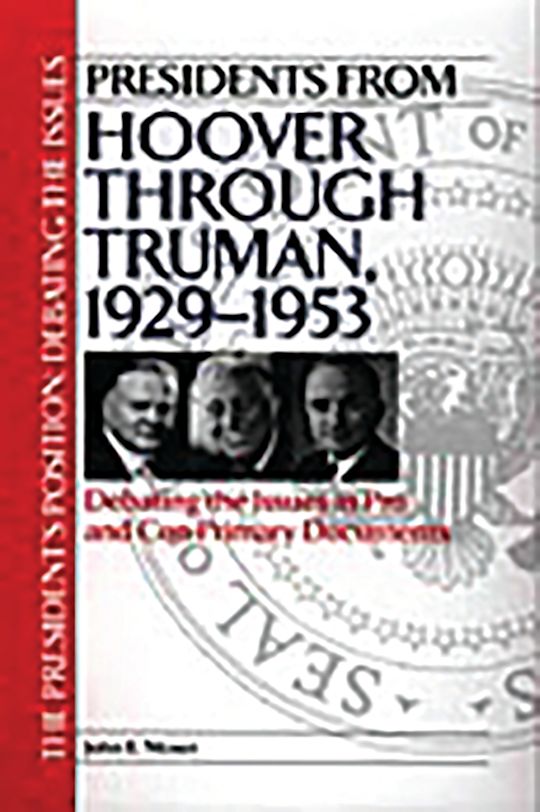

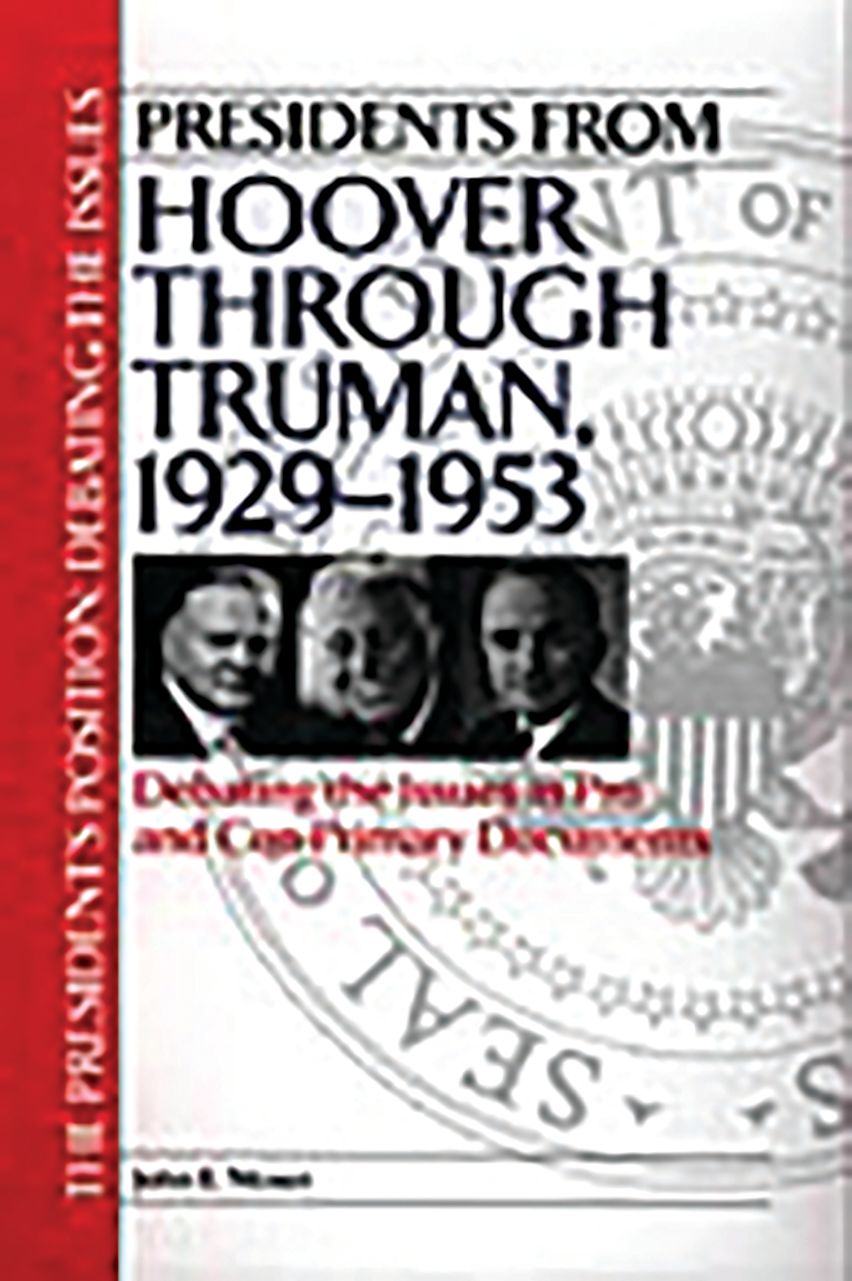
Presidents from Hoover through Truman, 1929-1953
Debating the Issues in Pro and Con Primary Documents
This product is usually dispatched within 2-4 weeks
- Delivery and returns info
-
Flat rate of $10.00 for shipping anywhere in Australia
Description
Should Hoover have taken more aggressive action to combat the Great Depression? Did Roosevelt's New Deal go too far? Should Truman have ordered the atomic bomb dropped on Hiroshima? These and other controversial issues stamped the presidencies of Herbert Hoover, Franklin D. Roosevelt, and Harry Truman, and the crises they addressed marked a series of watersheds in American history. This rich resource of primary documents and commentary is a one-stop source for debating the central issues that shaped the Hoover, Roosevelt, and Truman presidencies. In their own words, these presidents articulate their positions on the key issues of their presidencies. Juxtaposed to their statements are relevant and interesting original source statements by the opposition. These opposing documents, along with introductions which place the issues in political context, will enable students to debate the great issues of the day.
This resource covers thirty-seven key issues and initiatives of the Hoover, Roosevelt, and Truman presidencies. The entry on each issue contains an overview of the issue and discussion of opposing viewpoints, followed by a statement from the president and the text of an opponent's dissenting point of view. Among the issues covered are Hoover's legislative attempts to deal with the Great Depression; Roosevelt's formation of New Deal agencies, his effort to pack the Supreme Court, and the actions he took that led the United States into war; Truman's momentous decision to drop the bomb, his efforts to rebuild Europe after the war, his firing of General MacArthur, and his efforts to deal with labor disputes. The section on each president concludes with suggested reading for further study. An introductory overview to the period and a timeline place the issues in chronological context.
Table of Contents
Introduction
Herbert Hoover 1929-1933
Agricultural Marketing Act (1929)
London Naval Treaty (1930)
Hawley-Smoot Tariff (1930)
Wickersham Commission (1931)
Veteran's Bonus Bill (1931)
Muscle Shoals Resolution (1931)
War Debt Moratorium (1931)
Reconstruction Finance Corporation (1931-1932)
Unemployment Relief (1932)
Franklin Roosevelt 1933-1945
Agricultural Adjustment Act (1933)
Civilian Conservation Corps (1933)
National Industrial Recovery Act (1933)
Social Security Act (1935)
National Labor Relations Act (1935)
Wealth Tax (1935)
Supreme Court Reorganization (1937)
Executive Reorganization (1937-1938)
Lulow Amendment (1937-1938)
Fair Labor Standards Act (1938)
Neutrality Revision (1939)
Selective Service (1940)
Lend-Lease (1941)
War Labor Disputes Act (1943)
Harry Truman 1945-1953
The Dropping of the Atomic Bomb (1945)
Price Controls (1946)
Truman Doctrine (1947)
Taft Hartley Act (1947)
Loyalty Program (1947)
Marshall Plan (1947)
Civil Rights (1948)
Public Housing (1949)
North Atlantic Treaty (1949)
National Health Insurance (1949)
Point IV (1949)
Korean War (1950)
McCarthyism (1950)
Dismissal of General Douglas MacArthur (1951)
Index
Product details
| Published | 30 Oct 2001 |
|---|---|
| Format | Hardback |
| Edition | 1st |
| Pages | 256 |
| ISBN | 9780313314414 |
| Imprint | Greenwood |
| Dimensions | 235 x 156 mm |
| Publisher | Bloomsbury Publishing |
Related Titles