Queering Early Modern Death in England
Figuration, Representation, and Matter
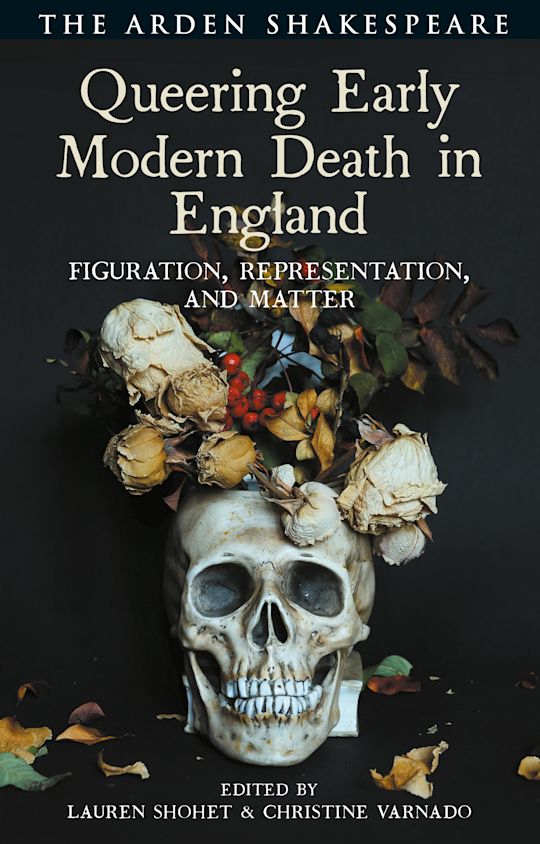

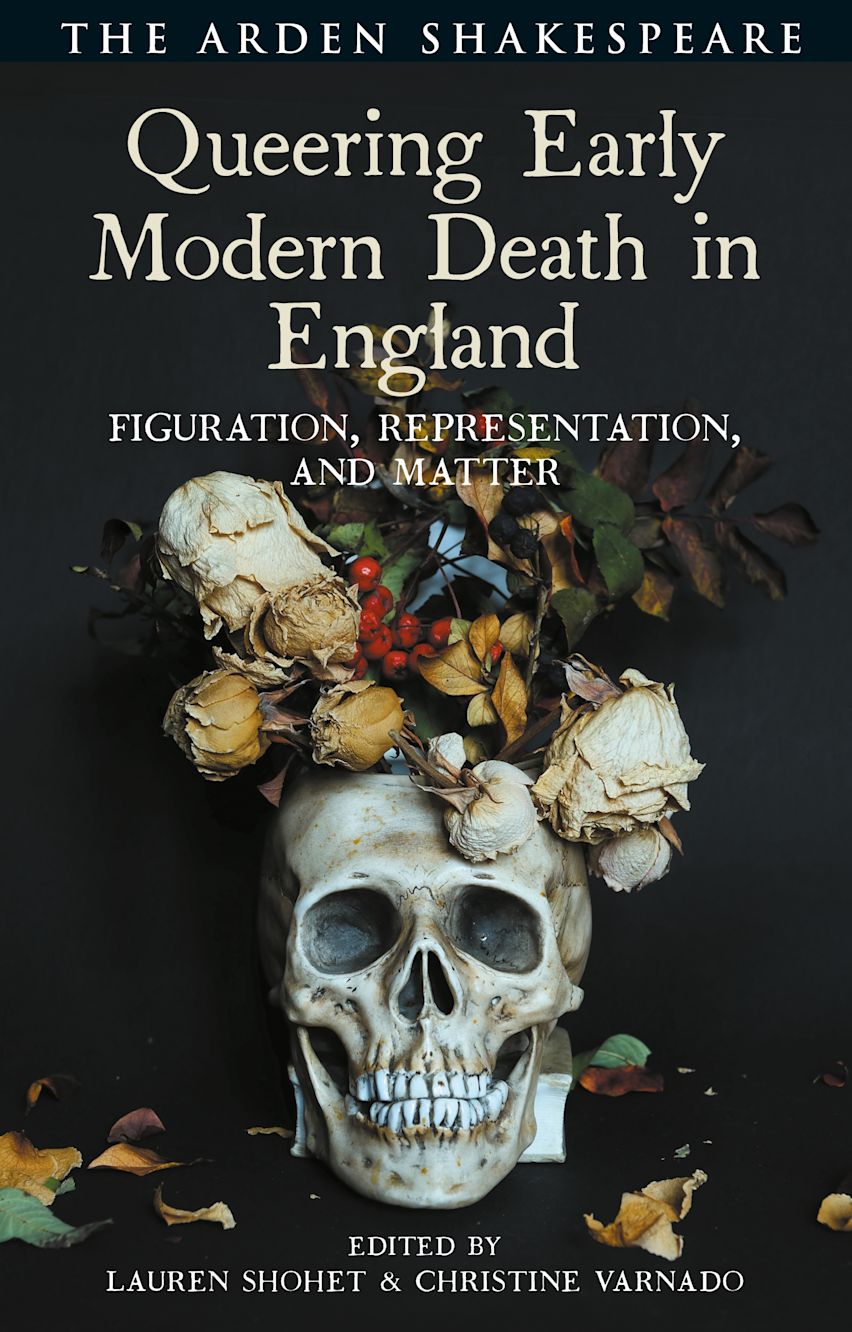
Queering Early Modern Death in England
Figuration, Representation, and Matter
Buying pre-order items
Ebooks and Audiobook
You will receive an email with a download link for the ebook or audiobook on the publication date.
Payment
You will not be charged for pre-ordered books until they are available to be shipped. Pre-ordered ebooks will not be charged for until they are available for download.
Amending or cancelling your order
For orders that have not been shipped you can usually make changes to pre-orders up to 72 hours before the publishing date.
Payment for this pre-order will be taken when the item becomes available
This product is usually dispatched within 2-4 weeks following the publication date
- Delivery and returns info
-
Flat rate of $10.00 for shipping anywhere in Australia
Description
What does queer death have to do with early modern England? This collection interrogates the profoundly queer, strange, excessive, camp and uncanny dimensions of death in early modern English literary, theatrical, and material archives.
Contributors provide new insights on death by using the analytic tools of queer theory, via non-binary analyses of gender, sexuality, humanity, nature, embodiment, and temporality. Turning queer analysis to questions of death allows it to be understood as non-dualist, non-linear, a-teleological, and fruitfully muddled. The essays illuminate early modern experiences before the ascendancy of Cartesian dualism occluded alternative understandings of death. They also speak to a present and a future where many received paradigms no longer hold. Key dramatic texts from the early modern period, including The Duchess of Malfi, The Alchemist, The Spanish Tragedy, The Winter's Tale, Richard III, and A Midsummer Night's Dream, show the expansive possibilities of death and dying in a queer mode. Further essays consider queer dimensions of death in lyric poetry, animal husbandry, typology, and Shakespearean authorship. These approaches make clear why readers interested in queerness and death should immerse themselves in the cultural life of sixteenth and seventeenth century England.
Table of Contents
Notes on Contributors
1. Introduction: What's queer about early modern death?
Christine Varnado (State University of New York-Buffalo, USA) and Lauren Shohet (Villanova University, USA)
2. (Un-)/Dead again: dying and undying in The Duchess of Malfi
Penelope Meyers Usher (Barnard College, USA)
3. John Donne and the queer wit of early modern death
Miriam Jacobson (University of Georgia, USA)
4. How to laugh at death and why (or, “Pyramus and Thisbe” as suicidal camp)
Drew Daniel (Johns Hopkins University, USA)
5. Queer uses of disease, death, and other crises: a jugaad reading of The Alchemist
Tripthi Pillai (Coastal Carolina University, USA)
6. “Some part of his funerals”: playing the part of the departed in Nicholas Udall's Roister Doister
Joseph Kidney (Stanford University, USA)
7. Surviving Richard III
James Y. Mulder (Bentley University, USA)
8. Baited bulls and crammed capons: queer animal death in early modern England
Karen Raber (University of Mississippi, USA)
9. The Queerness of typology
Lauren Shohet (Villanova University, USA)
10. Queering the death of the author: temporal multiplicity and Shakespeare's literary authorship
Wolfram Keller (Free University of Berlin, Germany)
Afterword: “And is this the end?” “Oh, no, there is no end”
Alice Dailey (Villanova University, USA)
Index
Product details

| Published | 18 Mar 2027 |
|---|---|
| Format | Paperback |
| Edition | 1st |
| Pages | 264 |
| ISBN | 9781350458680 |
| Imprint | The Arden Shakespeare |
| Dimensions | 216 x 138 mm |
| Publisher | Bloomsbury Publishing |

ONLINE RESOURCES
Bloomsbury Collections
This book is available on Bloomsbury Collections where your library has access.
Related Titles