Radically Reframing Climate Change
A Guide to Saving Ourselves
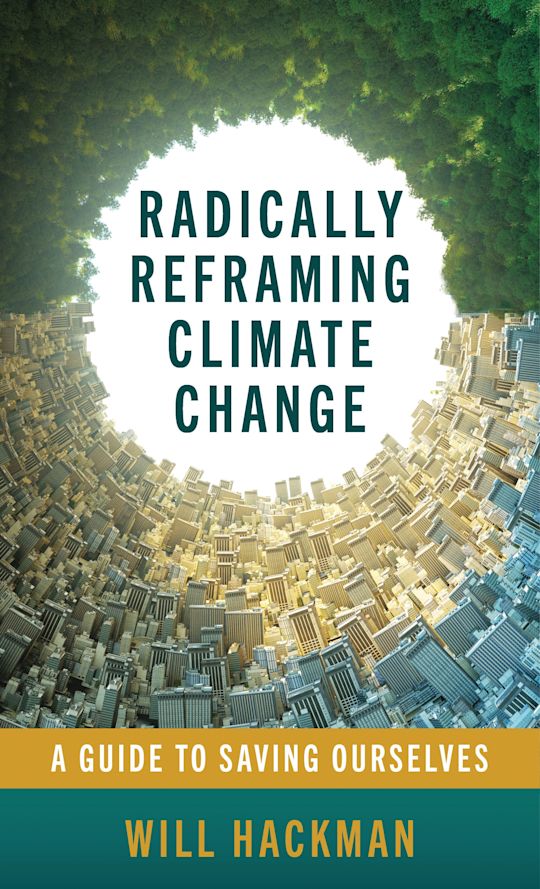

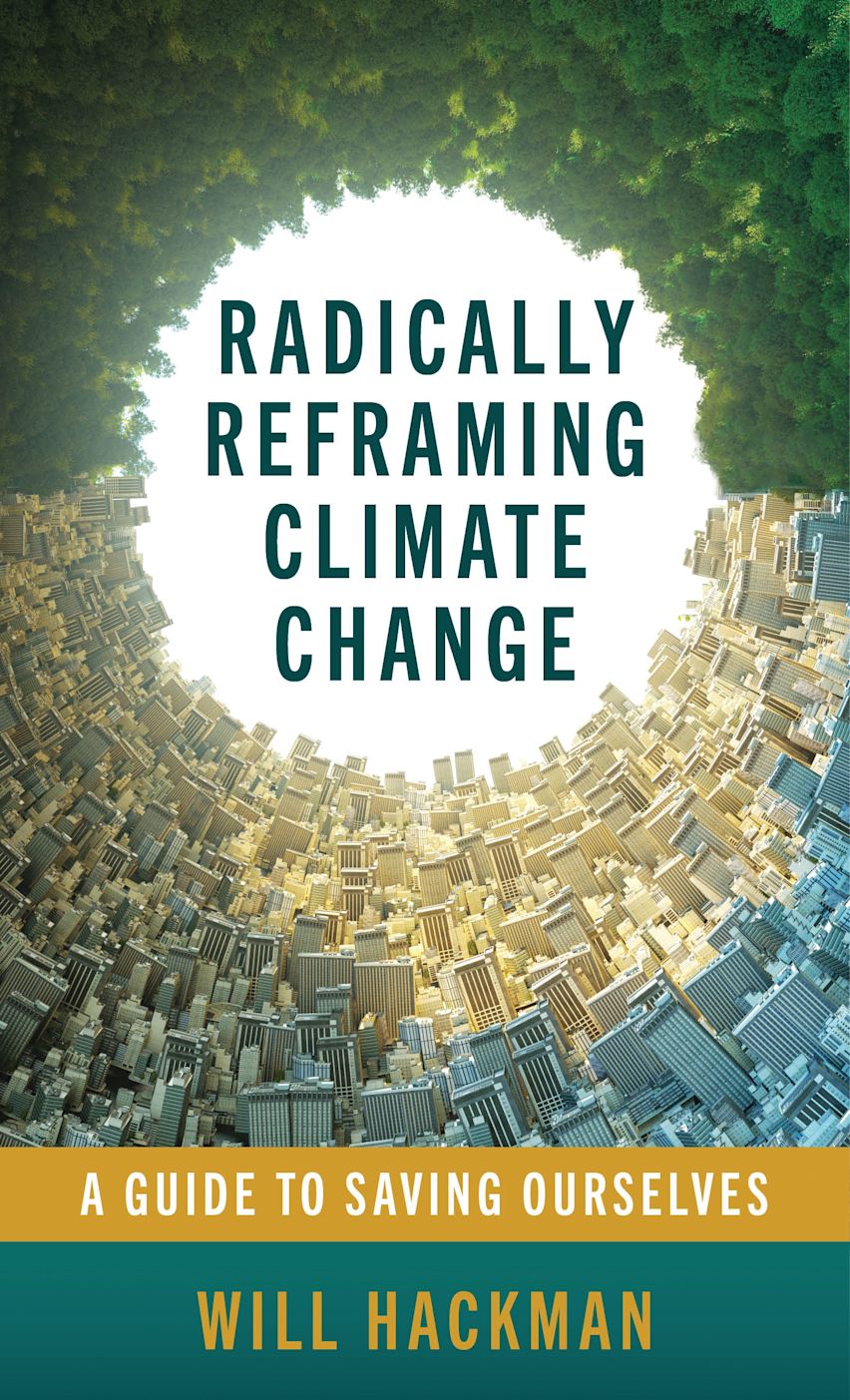
Radically Reframing Climate Change
A Guide to Saving Ourselves
Description
An inspirational guide to discussing and fighting climate change for millennial and GenZ voters that cuts through the usual myths and scare tactics to provide practical advice.
Will Hackman is a Millennial, and he is pissed. Two wars, two global economic catastrophes, and a pandemic combined with a ballooning cost-of-living crisis and crushing student loan debt can do that to a person. But there's one thing that compounds these challenges that is unequaled in human history: the ticking time bomb of fossil fuel emissions. Millennials and Gen-Zers will be left to deal with the worst of the climate change fallout well after those responsible have passed away. And we have never been more divided.
In Radically Reframing Climate Change: A Guide to Saving Ourselves, Will Hackman identifies three main obstacles to solving climate change: polarization, paralysis, and stale, ineffective messaging. He empowers readers to turn their anxiety or apathy into passion, and anger into action at the personal, community, and government levels. The climate rallying cries to “Save the Planet” no longer work in our hyper-partisan world, nor do images of polar bears on melting glaciers. The problem isn't scientific, fact-based, or even technological. It's political, emotional, and ideological. Hackman provides a path forward for engagement and voter mobilization that combats apathy, dread, and resentment, and builds greater issue identification.
Hackman reframes the climate crisis as a humanity crisis, arguing that we must change how we think and talk about climate change, both in our conversations with non-believers and among those who care. Assuring humanity's place on a changing planet will require a near universal level of public support we will never reach if we keep making the same mistakes. We know how to do this. But the stakes have never been higher and time is running out.
Accessibility Information
Additional accessibility information
- EPUB 3.0
- Conforms with the requirements of EPUB Accessibility Spec v1.1
- WCAG level AA
- WCAG v2.2 compliant
- accessibility@bloomsbury.com
Hazards
The publication contains no hazards
Support for non-visual reading
- No accessibility features offered by the reading system, device or reading software are disabled or otherwise unusable with the product
- Has alternative text descriptions for images
Visual adjustments
Appearance of the text and page layout can be modified according to the capabilities of the reading system (font family and size, spaces, as well as color of background and text)
Navigation
- Page list to go to pages from the print source version
- Elements such as headings, tables, etc for structured navigation
- All or substantially all textual matter is arranged in a single logical reading order
- Content is enhanced with ARIA roles to optimize organization and facilitate navigation
- Purposes of all links are made clear
Rich content
Language tagging provided
Table of Contents
Acknowledgements
Introduction
Chapter 1: What It All Means: A Positive Vision of the Future
Chapter 2: The Politics of Growing Energy Demand and The Problem of US Supply
Chapter 3: Three Obstacles to Solving Climate Change
Chapter 4: Mythbusting and Perils of the Blame Game
Interlude: From Anger to Agency
Chapter 5: Mitigation, Adaptation, Loss and Damage
Chapter 6: Reframing How We Think About Climate Change
Chapter 7: Reframing How We Talk About Climate Change
Chapter 8: How to Enact Change at the Personal Level
Chapter 9: How To Enact Change at The Local and Community Level
Chapter 10: How to Enact Change at the Federal Level
Conclusion
Notes
Index
About the Author
Product details

| Published | 02 Apr 2026 |
|---|---|
| Format | Ebook (Epub & Mobi) |
| Edition | 1st |
| Pages | 264 |
| ISBN | 9798765155677 |
| Imprint | Bloomsbury Academic |
| Publisher | Bloomsbury Publishing |
Reviews

ONLINE RESOURCES
Bloomsbury Collections
This book is available on Bloomsbury Collections where your library has access.
Related Titles