
Buying pre-order items
Ebooks and Audiobook
You will receive an email with a download link for the ebook or audiobook on the publication date.
Payment
You will not be charged for pre-ordered books until they are available to be shipped. Pre-ordered ebooks will not be charged for until they are available for download.
Amending or cancelling your order
For orders that have not been shipped you can usually make changes to pre-orders up to 72 hours before the publishing date.
Payment for this pre-order will be taken when the item becomes available
Description
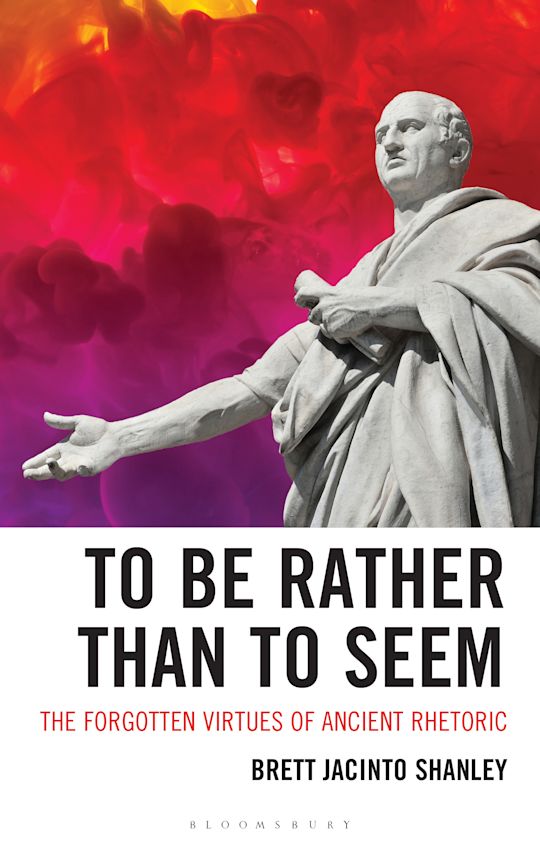
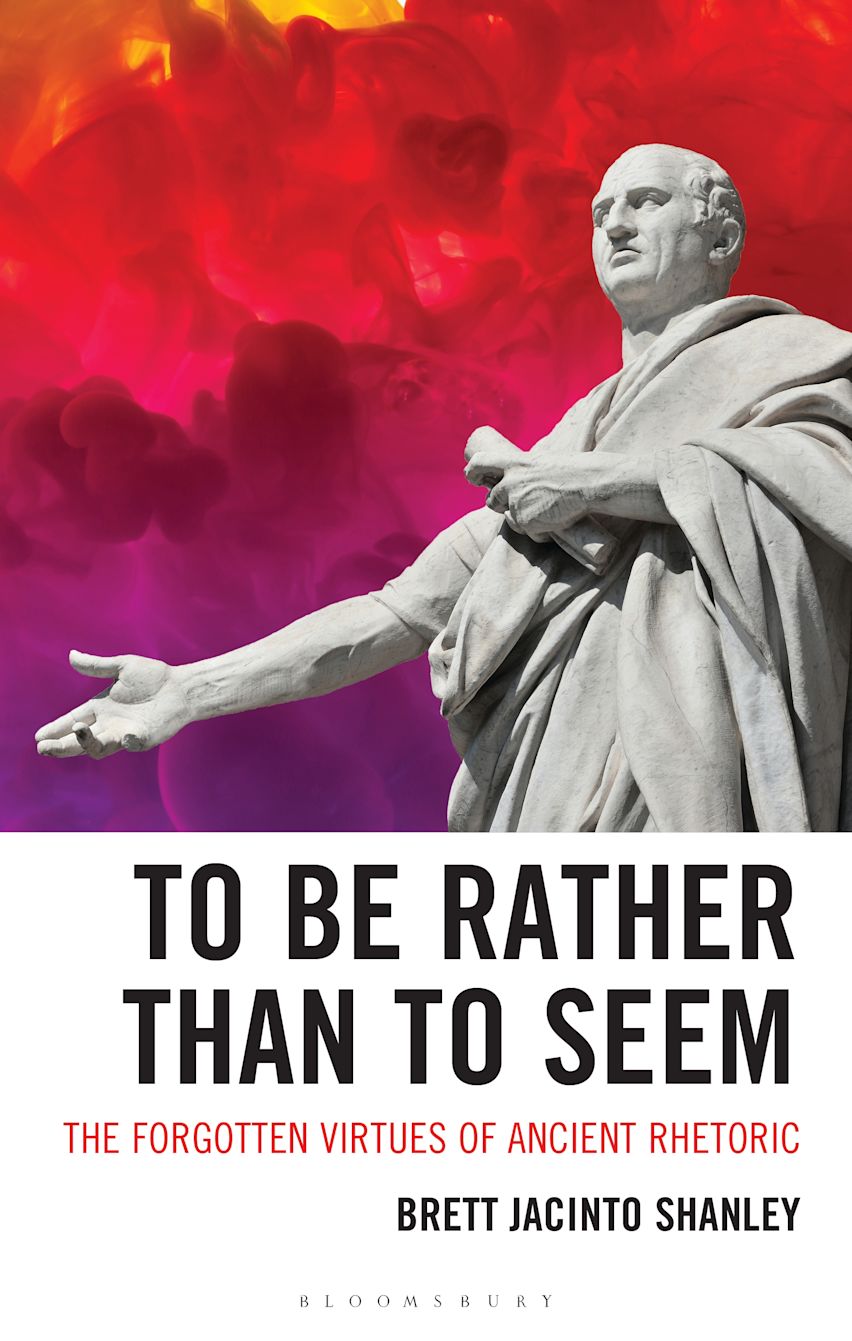
In this book, Brett Jacinto Shanley covers the modern considerations of ancient rhetorical ethics, a popularly forgotten ethical-rhetorical theory, with particular attention given to the work of Aristotle, Cicero, and Quintilian.
Composition writing is a ubiquitous subject at contemporary American universities, serving as the modern descendent to arguably the most celebrated ancient academic discipline, rhetoric. There are however massive differences between past and present practice in terms of its overall philosophy. What today is framed as skill development was once highly loaded with questions of morality. Being a good speaker or writer was not enough. It was thought one ought to do good with those powers.
This book actively and explicitly uncovers elements of ancient rhetorical ethics including rhetoric, ethics, virtue, morality, and classical studies – all situated within an intentionally holistic framework to better elucidate their interconnection. Beginning with Plato's paradoxical position as the foundational figure of ancient ethical-rhetorical theory – and as a philosopher who vehemently distrusted rhetoric – the book then turns to the sophists, the professional teachers whose amoral rhetorical model Plato so opposed, offering a balanced account of their practice and their own (minimal but not non-existent) ethical self-understanding. Jacinto Shanley then looks to Isocrates, Aristotle, Cicero, and Quintilian to fully situate the culmination of the ancient ethical-rhetorical tradition. There is a radicalism to these ancient theories applied to modern classrooms with modern, progressive values. Although literally the musings of long-dead aristocratic white men, this book argues ancient rhetorical ethics has far more overlap with modern transformative education models and liberatory pedagogy that traditionally recognized.
Accessibility Information
Additional accessibility information
- EPUB 3.0
- Conforms with the requirements of EPUB Accessibility Spec v1.1
- WCAG level AA
- WCAG v2.2 compliant
- accessibility@bloomsbury.com
Hazards
The publication contains no hazards
Support for non-visual reading
- No accessibility features offered by the reading system, device or reading software are disabled or otherwise unusable with the product
- Has alternative text descriptions for images
Visual adjustments
Appearance of the text and page layout can be modified according to the capabilities of the reading system (font family and size, spaces, as well as color of background and text)
Navigation
- Page list to go to pages from the print source version
- Elements such as headings, tables, etc for structured navigation
- All or substantially all textual matter is arranged in a single logical reading order
- Content is enhanced with ARIA roles to optimize organization and facilitate navigation
- Purposes of all links are made clear
Rich content
Language tagging provided
Table of Contents
Preface
1. What Is, What Was, & What Could Be
2. The Paradox of Plato
3. The Hybridity of Isocrates
4. The Systematizing of Aristotle
5. The Innovations of Cicero
6. The Ambitions of Quintilian
7. Thoughts Before the End
References
Index
About the Author
Product details

| Published | 07 Jan 2027 |
|---|---|
| Format | Ebook (Epub & Mobi) |
| Edition | 1st |
| Pages | 288 |
| ISBN | 9781978762114 |
| Imprint | Bloomsbury Academic |
| Publisher | Bloomsbury Publishing |
Reviews
Related Titles