Transnational Return Migration of 1.5 Generation Korean New Zealanders
A Quest for Home
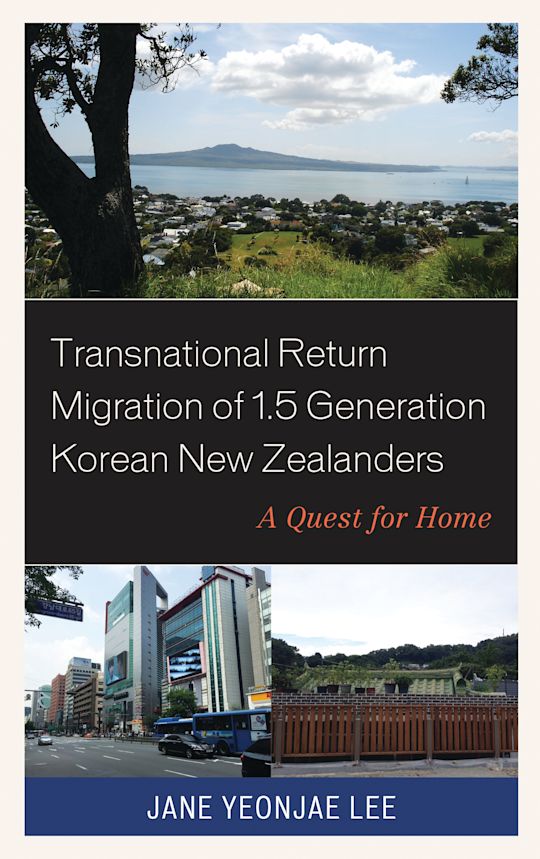

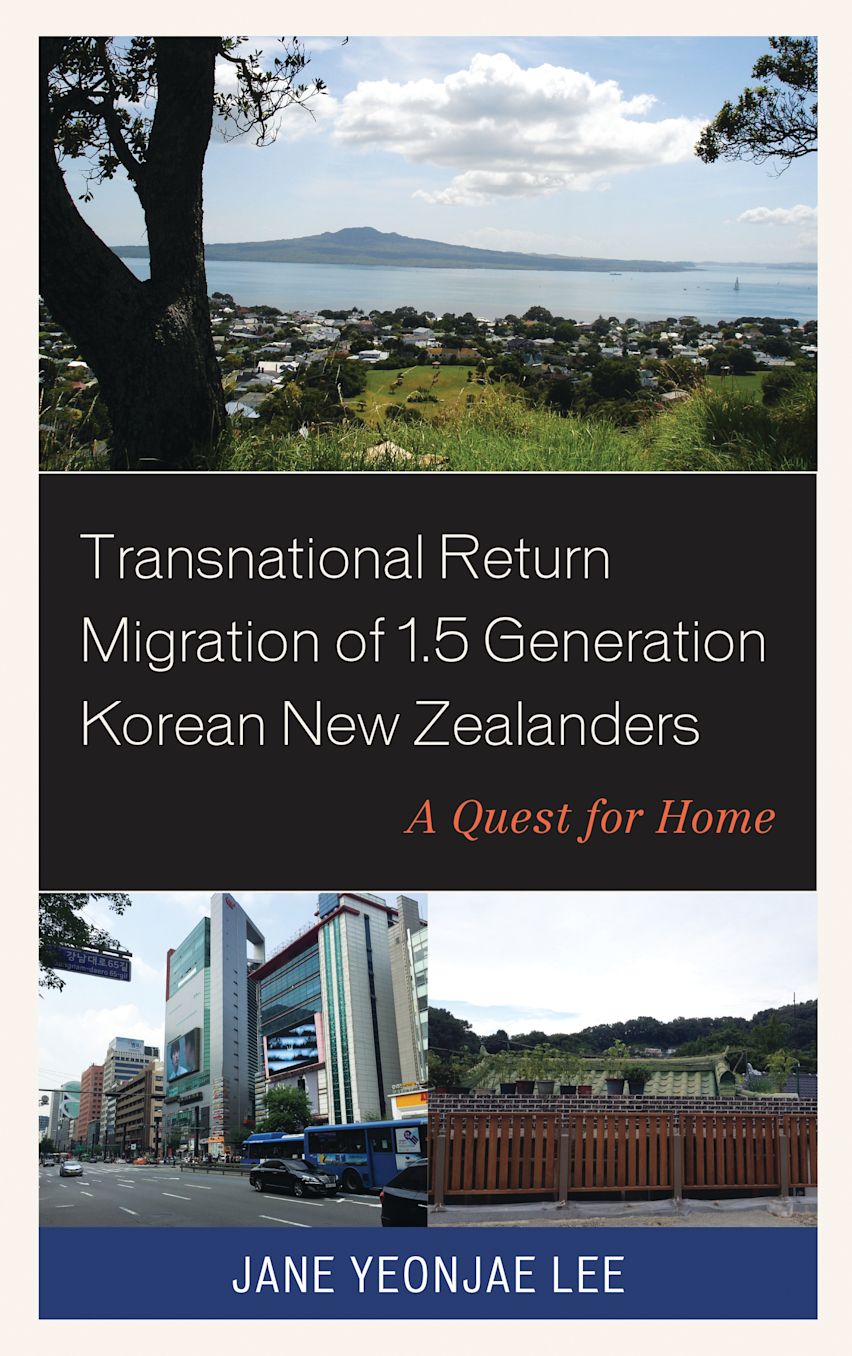
Transnational Return Migration of 1.5 Generation Korean New Zealanders
A Quest for Home
Description
Why do immigrants return home? Is return migration a failure or a success? How do returnees settle back into their original homeland while retaining their connections to their host society? How do returnees contribute to their homeland with their skills gained from overseas?
This book explores the complexities of return migration through the experiences of 1.5-generation Korean New Zealanders. Jane Yeonjae Lee uses intimate, personal narratives to unpack how returnees negotiate the meanings of “home” and “return,” revealing that these concepts are far from fixed or straightforward. Through these stories, the book highlights a deep and often unresolved desire among transnational migrants to belong to a single, coherent identity, even as their lives span multiple national and cultural contexts.
At the same time, Lee illustrates the tensions and disconnections inherent in transnational life, showing how returnees' relationships to both their host and home countries evolve over time. Their transnational practices – such as maintaining social ties or applying skills gained abroad – shift as they resettle, complicating assumptions about seamless reintegration or clear-cut success.
Together, these insights challenge simplistic views of return migration as either failure or achievement, instead revealing it as an ongoing process of negotiation – one that reshapes identity, belonging, and the meaning of home in a globalized world.
Table of Contents
Introduction: Entering the Field
1. Studying the 'Everyday' through a Transnational Ethnography
2. A Transnational Approach to Return Migration
Part II: Return, Home, and Development
3. Korea and its Diaspora
4. Why a Return 'Home'?
5. Returnees in the Workforce and Knowledge Transfer
Part III: Return, Home, and Growth
6. Constructing Identities: Challenge, Negotiation, and Growth
7. Performing Identities: Re-creating 'Home' in Korea
Conclusion: Ongoing Quest for 'Home'
References
Index
About the Author
Product details
| Published | 04 Jun 2018 |
|---|---|
| Format | Ebook (Epub & Mobi) |
| Edition | 1st |
| Pages | 204 |
| ISBN | 9781498575829 |
| Imprint | Lexington Books |
| Illustrations | 6 b/w photos; 7 tables |
| Series | Korean Communities across the World |
| Publisher | Bloomsbury Publishing |
Reviews
Related Titles