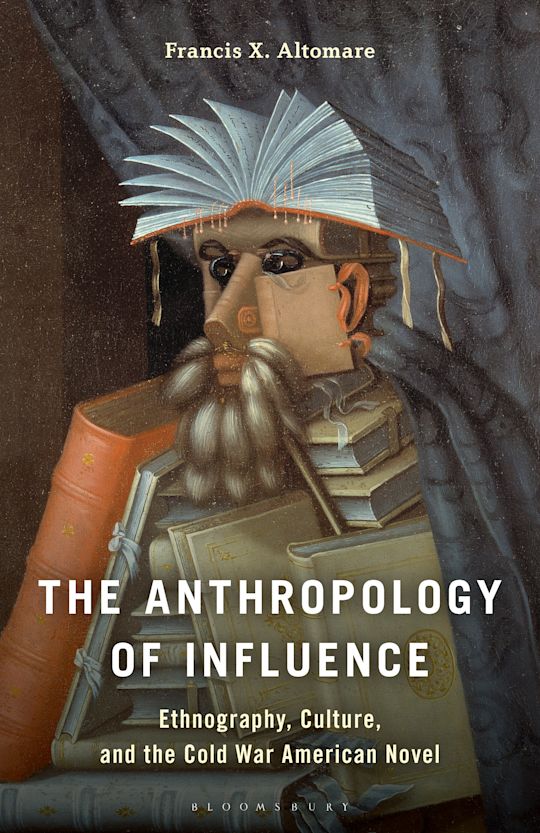
The Anthropology of Influence
Ethnography, Culture, and the Cold War American Novel

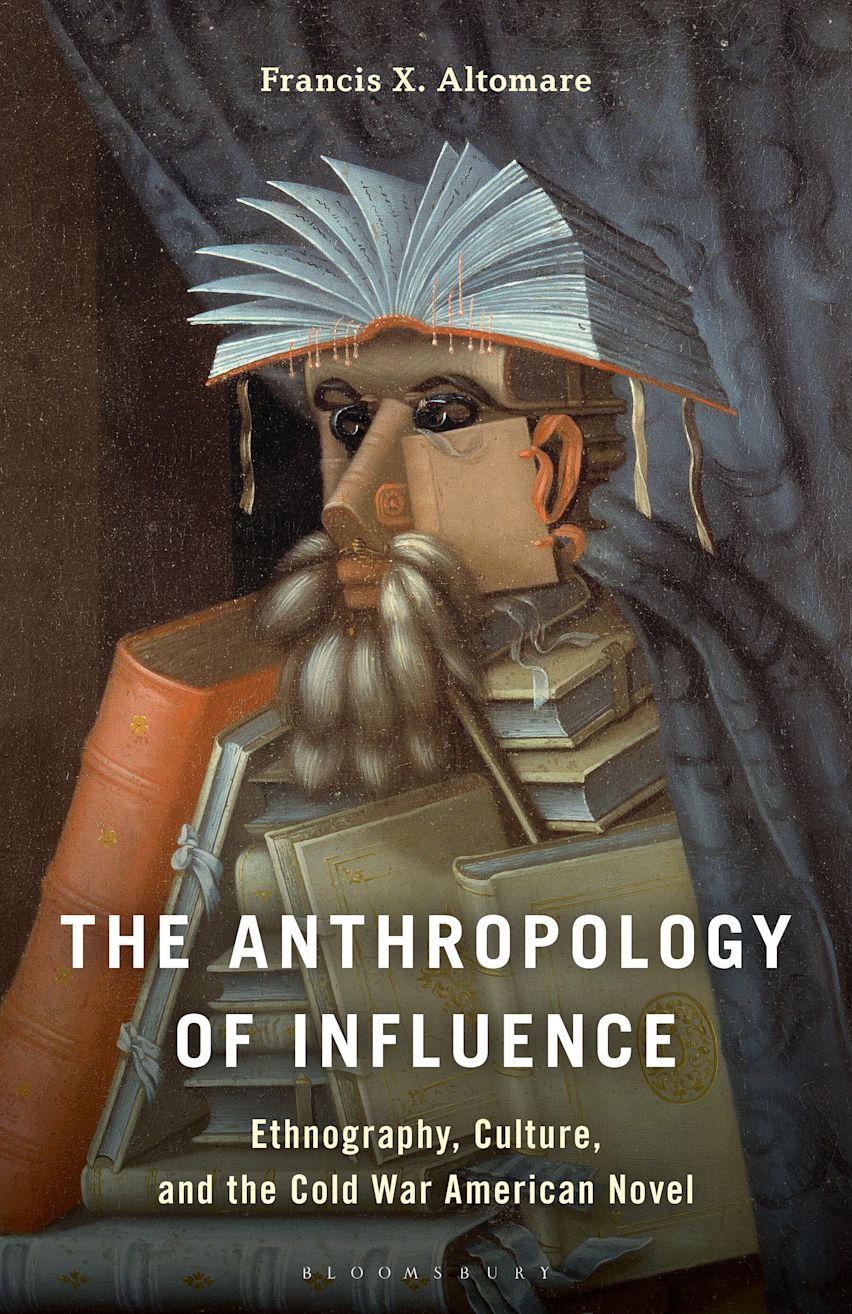
The Anthropology of Influence
Ethnography, Culture, and the Cold War American Novel
Description
Francis X. Altomare argues that significant twentieth-century novelists- Ursula K. LeGuin, Kurt Vonnegut, Saul Bellow, William S. Burroughs,, and Joan Didion-mark a seminal moment in the interdisciplinary tradition of anthropology and literature as authors who studied and practiced cultural anthropology before their transitions toward literary fiction.
Focusing on the dynamic period between World War II and the turn of last century, this book explores the interdisciplinary dialogue between cultural anthropology and literary studies through analyses of novels composed by authors with significant exposure to professional anthropology during its midcentury period. Not only do these authors stylistically adopt what Altomare coins as the “ethnographic voice,” they also adopt similar frames of observation taken by real-world ethnographers, present readers with ethnographers as protagonists, and integrate anthropological theory into their texts to produce ethnografictions occupying a space between the anthropological and the literary. These convergences place these authors at a nexus between modernist/postmodernist literature and the evolving field of cultural anthropology, complicating and enriching our understanding of fictionality, realism, and narrative truth while shedding light on the inextricable development of these fields in Cold War America as sites of cultural critique, aesthetic value, and sources of human meaning.
Accessibility Information
Additional accessibility information
- PDF/UA-2, 1.4
- accessibility@bloomsbury.com
Hazards
The publication contains no hazards
Support for non-visual reading
Has alternative text descriptions for images
Navigation
- Page list to go to pages from the print source version
- Elements such as headings, tables, etc for structured navigation
- All or substantially all textual matter is arranged in a single logical reading order
Table of Contents
Acknowledgments
Introduction: Literary Anthropology, Fictional Truth, and Cold War Postmodernism
1. Truth is a Matter of the Imagination: Ethnographic Praxis and Cultural Ecology in Ursula K. Le Guin's The Left Hand of Darkness
2. Science That Is Mostly Poetry: Anthropological Imagination in Kurt Vonnegut's Cat's Cradle
3. Of Ethnographers and Rain Kings: The Anthropological Imagination in the Fiction of Saul Bellow
4. Ethnographer of Interzones: The Ethnographic Imagination in Three Novels by William S. Burroughs
5. “I will be her witness”: The Ethnographic Imagination in Joan Didion's A Book of Common Prayer
Concluding Remarks
Product details

| Published | 21 Jan 2027 |
|---|---|
| Format | Ebook (PDF) |
| Edition | 1st |
| Pages | 288 |
| ISBN | 9798216276166 |
| Imprint | Bloomsbury Academic |
| Publisher | Bloomsbury Publishing |
Reviews
Related Titles