An Antithetical History of Contemporary Japanese Poetry
Twenty-First-Century Poets and Politics
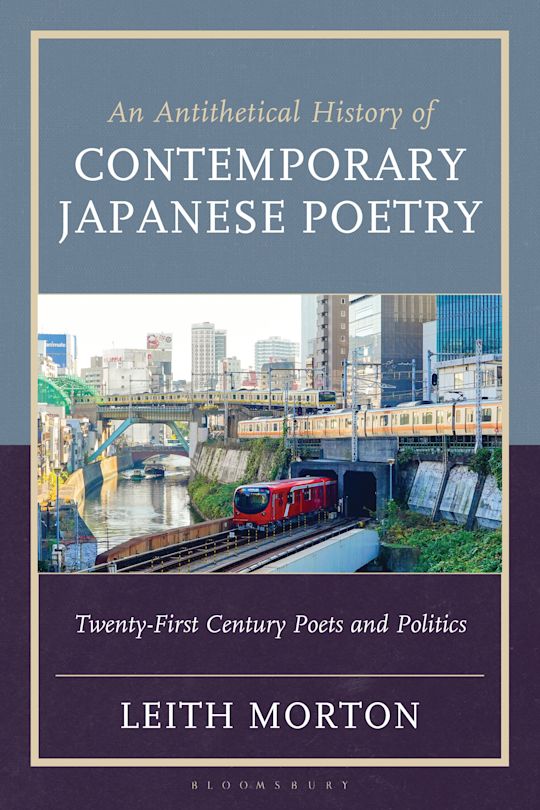

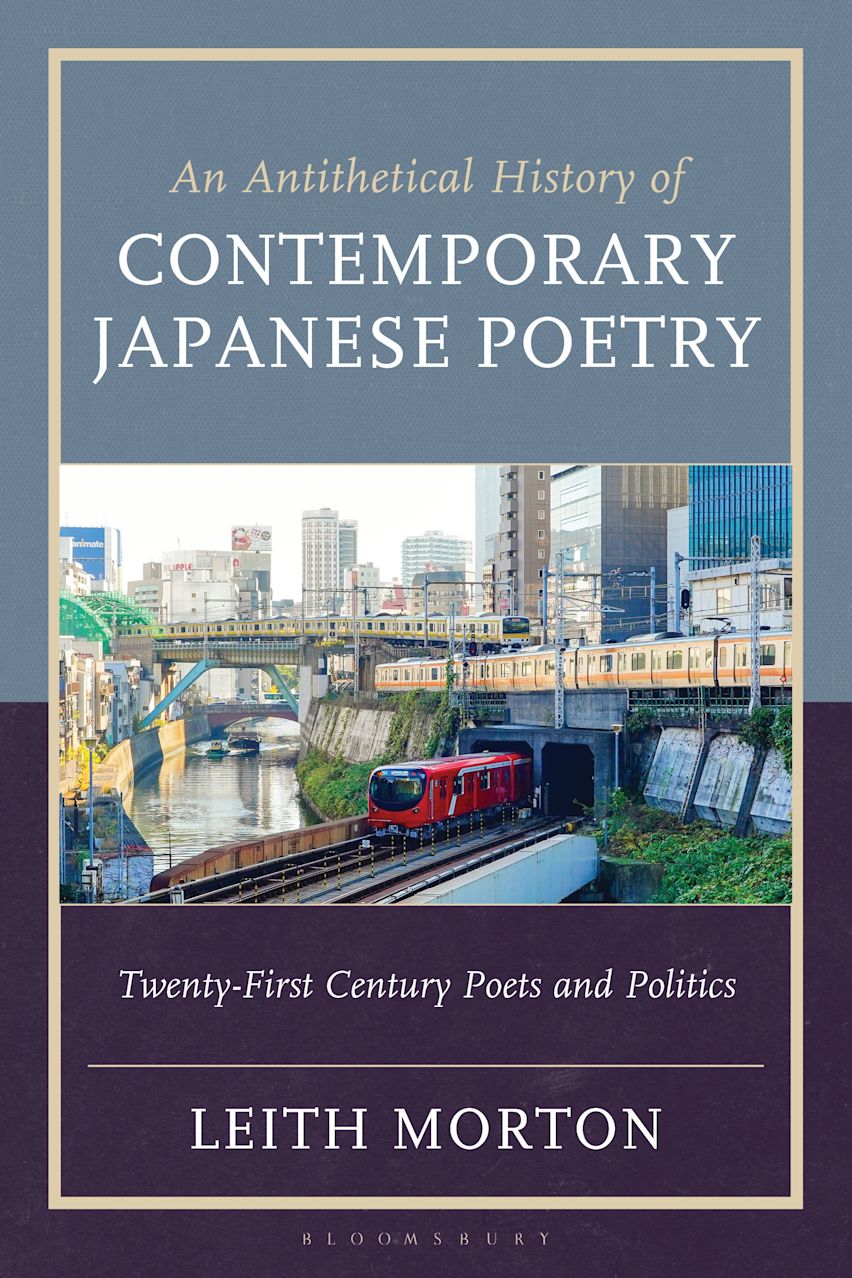
An Antithetical History of Contemporary Japanese Poetry
Twenty-First-Century Poets and Politics
Description
Providing both literary-historical context and in-depth poetry analysis, this book traces major changes in twenty-first century Japanese poetry.
The book examines three major contemporary poets: Tanikawa Shuntaro, Yotsumoto Yasuhiro, and Koike Masayo, as well as women's voices in contemporary poetry and poetry composed on the theme of politics. Leith Morton examines how these domains were influenced by technology and catastrophe; some poets retreated into the subjectivity of the self, while other poets boldly struck out to confront Japanese society.
In part one, the book begins with a historical analysis of representative Japanese women poets followed by a chapter investigating the work of a few famous contemporary poets who have taken up political themes, including agitprop verse published online.
In part two, Morton examines Tanikawa, Yotsumoto, and Koike's works. He traces the figurative and antithetical interrelations between these three major poets and the complex interplay of influence between their works.
Accessibility Information
Additional accessibility information
- PDF/UA-2, 1.4
- accessibility@bloomsbury.com
Hazards
The publication contains no hazards
Support for non-visual reading
Has alternative text descriptions for images
Navigation
- Page list to go to pages from the print source version
- Elements such as headings, tables, etc for structured navigation
- All or substantially all textual matter is arranged in a single logical reading order
Table of Contents
Introduction
Part I. Contemporary Japanese Poetry: An Antithetical History
1. The Female Voice in Contemporary Japanese Poetry, 1990–2016
2. Contemporary Japanese Poetry and Politics, 2008–2018
Part II. Contemporary Japanese Poetry: Introjection and Projection
3. Poetry as Iconotext and Collage: Tanikawa Shuntaro and Photography, 1993–2011
4. Exile, Nostalgia, and Intimacy in the Poetry of Yotsumoto Yasuhiro, 2003–2006
5. Language Experiments in the Poetry of Yotsumoto Yasuhiro, 2010–2017
6. Self as Narrative: Doubt, Difficulty, and Fragmentation in the Poetry of Koike Masayo, 2000–2006
7. Exoticism, Alienation, and Waka in the Poetry of Koike Masayo, 2010–2021
Conclusion
Bibliography
Index
Product details

| Published | 21 Jan 2027 |
|---|---|
| Format | Ebook (PDF) |
| Edition | 1st |
| Pages | 256 |
| ISBN | 9798216393092 |
| Imprint | Bloomsbury Academic |
| Illustrations | 12 textboxes |
| Series | New Studies in Modern Japan |
| Publisher | Bloomsbury Publishing |
Reviews
Related Titles