The Basque Exception
The History of an Identity in the Western Pyrenees
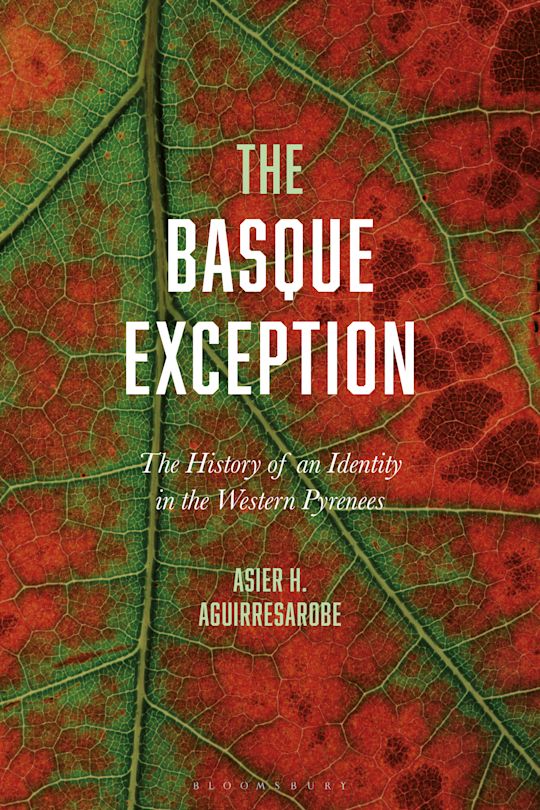

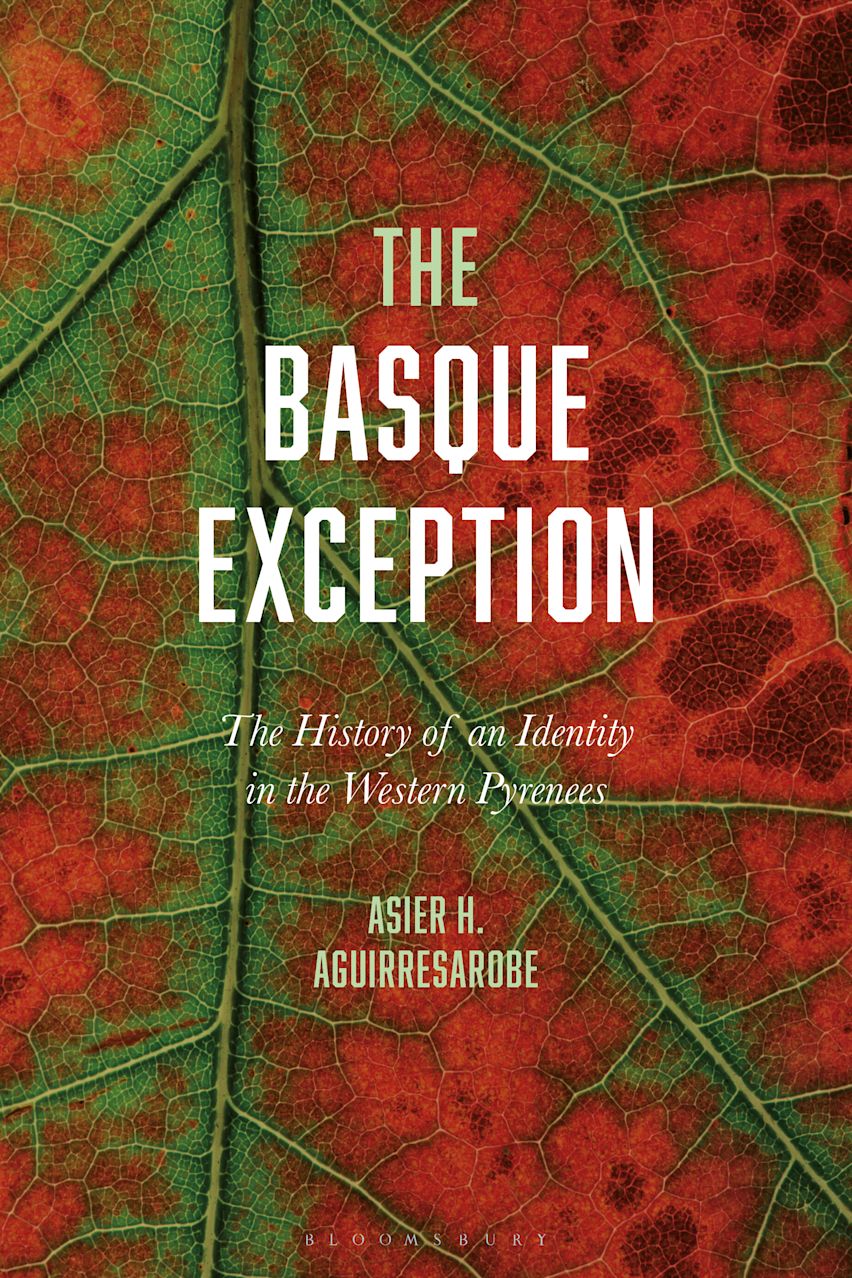
The Basque Exception
The History of an Identity in the Western Pyrenees
Description
Millions of international tourists visit the Basque Country every year, with the region carrying a unique and perennial appeal. But, who exactly are the Basques, and what sets them apart from their neighbours?
The Basque Exception draws upon a broad range of historical sources to answer this question. It tells the intricate and multifaceted history of the Basque territory, spanning from the Roman period to the present day. Asier H. Aguirresarobe tracks the origins of the very term 'Basque' and examines the numerous prejudices and connections that have been associated with it over the centuries and, in doing so, reveals how religious reform, political rights, and an unlikely linguistic survival have marked the Basque story. He even reflects on how, in this small territory now renowned for its world-famous cuisine and picturesque landscapes, the consequences of these great events are still everywhere to be seen.
Accessibility Information
Additional accessibility information
- PDF/UA-2, 1.4
- accessibility@bloomsbury.com
Hazards
The publication contains no hazards
Support for non-visual reading
Has alternative text descriptions for images
Navigation
- Page list to go to pages from the print source version
- Elements such as headings, tables, etc for structured navigation
- All or substantially all textual matter is arranged in a single logical reading order
Table of Contents
List of Maps and Illustrations.
Acknowledgments.
Preface.
Author's Note.
Part 1: Vascones.
A little wildness.
Vasconum gentilitas.
Aracaeli
The vast emptiness.
Part 2: Lineage.
Princeps Christicola.
Dar al-Harb.
Rex Ibericus.
Manum regis.
Aitonen semeak.
Free and exempt forevermore.
Those from whom we come.
Worth more.
Erasing our names from the land.
The White Lord.
Part 3: Privilege.
De Gloria et Nobilitate.
Children of the Prophets.
Euskal Herria.
Irurac bat
The tears of the vascongados.
The Basque Jesus.
Epilogue.
Bibliography.
Product details

| Published | 17 Sep 2026 |
|---|---|
| Format | Ebook (PDF) |
| Edition | 1st |
| Pages | 352 |
| ISBN | 9781350446182 |
| Imprint | Bloomsbury Academic |
| Illustrations | 20 bw illus |
| Publisher | Bloomsbury Publishing |
Reviews

ONLINE RESOURCES
Bloomsbury Collections
This book is available on Bloomsbury Collections where your library has access.
Related Titles