Description
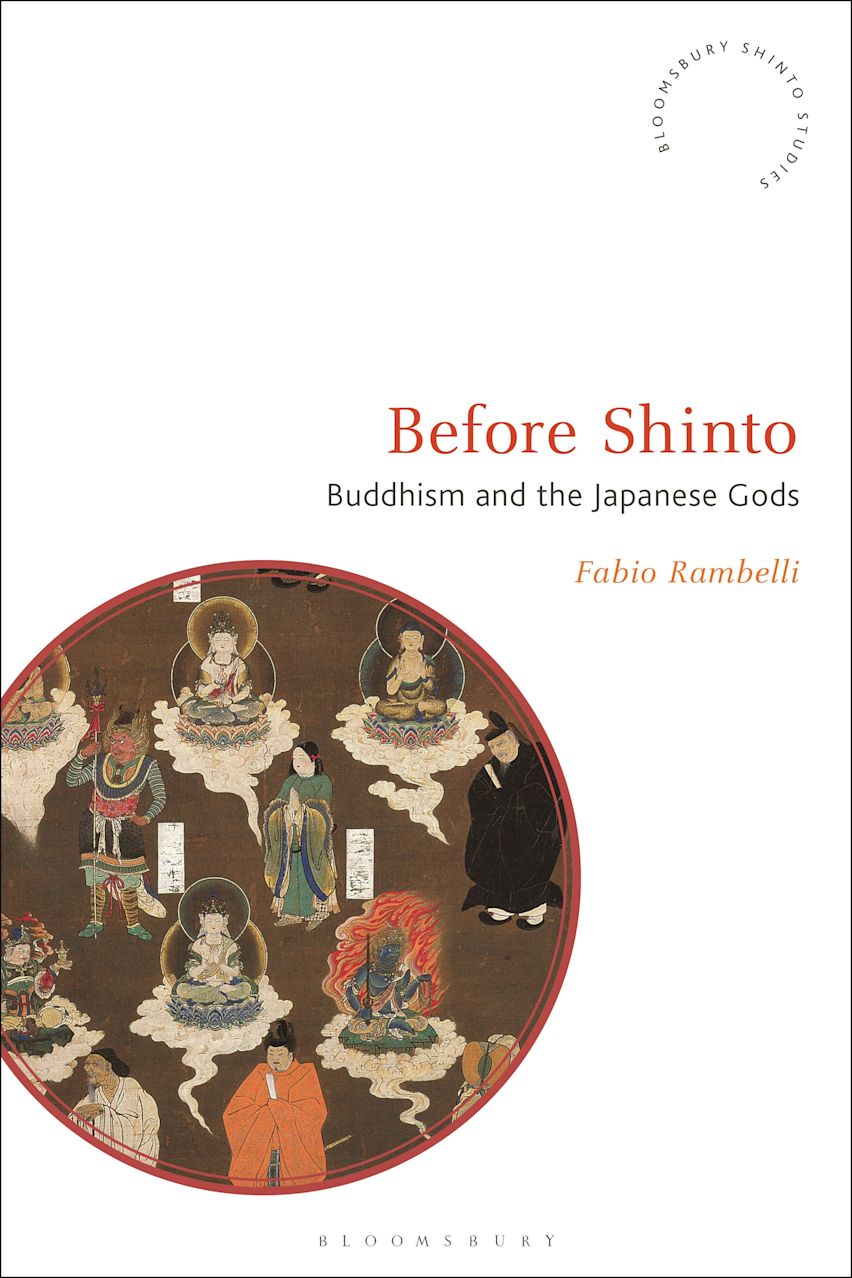
Focusing on the fundamental role played by Buddhism in shaping general ideas about and attitudes toward the Japanese gods (kami), this book presents a new revisionist history of Shinto.
Based on in-depth historical and cultural analysis and presenting numerous pre-modern sources in English translation, Before Shinto goes against received assumptions that something called “Shinto” has always existed in Japan as a foundation upon which religions and philosophies of foreign origin were first accepted and then developed. Rather, it demonstrates that Buddhism, in a complex process of assimilation of pre-existing forms of the sacred combined with foreign divinities, created narratives and representations of the kami, which were until then mostly anonymous and invisible, before adding them to its vast cosmology of gods and meta-human beings.
Shinto emerged as a separate tradition around the sixteenth century as part of a conscious movement away from Buddhism; within this newly formed framework to envision the gods, different interventions by Confucian and by Nativist authors in particular, became possible. Fabio Rambelli highlights the multiform and shifting nature of discourses on the kami and the continuous process of re-invention of Shinto.
Accessibility Information
Additional accessibility information
- PDF/UA-2, 1.4
- accessibility@bloomsbury.com
Hazards
The publication contains no hazards
Support for non-visual reading
Has alternative text descriptions for images
Navigation
- Page list to go to pages from the print source version
- Elements such as headings, tables, etc for structured navigation
- All or substantially all textual matter is arranged in a single logical reading order
Table of Contents
List of Illustrations
Notes for the Reader
Preface
Introduction: Buddhism, Shinto, and the Kami
Part I: Buddhism and Local Gods
1. The Kami Encounter Buddhism
Part II: In and Out of Buddhism
2. The Dangerous Kami Called Buddha
3. Japan as the Land of the Kami
4. Buddhism, the Kami, and the Origin of the Universe
5. The Ritual World of Buddhist Kami
6. Origins of Non-Buddhist Discourses on the Kami
Part III: New Kami Discourses
7. The Kami in a Fragmented World: The Emergence of Shinto
8. Conclusion: Floating Signifiers: Alternative Discourses on Kami
Notes
Bibliography
Index
Product details

| Published | 15 Oct 2026 |
|---|---|
| Format | Ebook (PDF) |
| Edition | 1st |
| Pages | 280 |
| ISBN | 9781350640986 |
| Imprint | Bloomsbury Academic |
| Illustrations | 8 bw illus |
| Series | Bloomsbury Shinto Studies |
| Publisher | Bloomsbury Publishing |
Reviews
Related Titles