Black Thought Matters
Africana Philosophy and Freedom
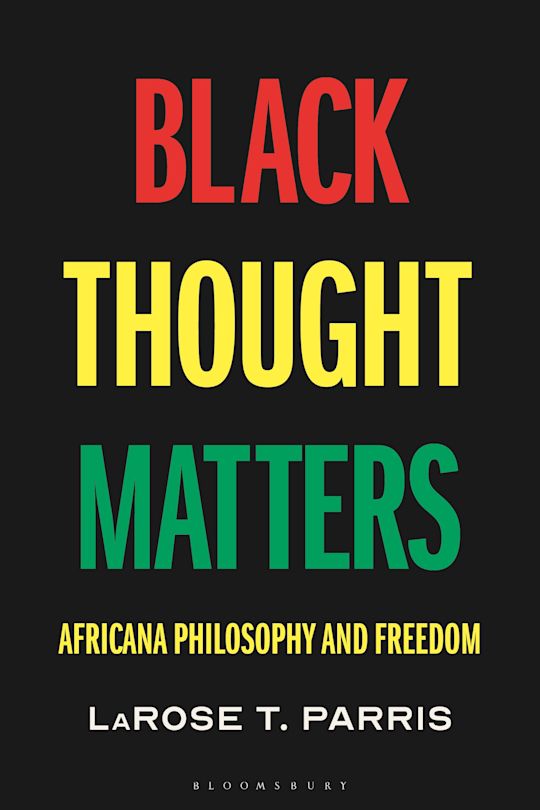

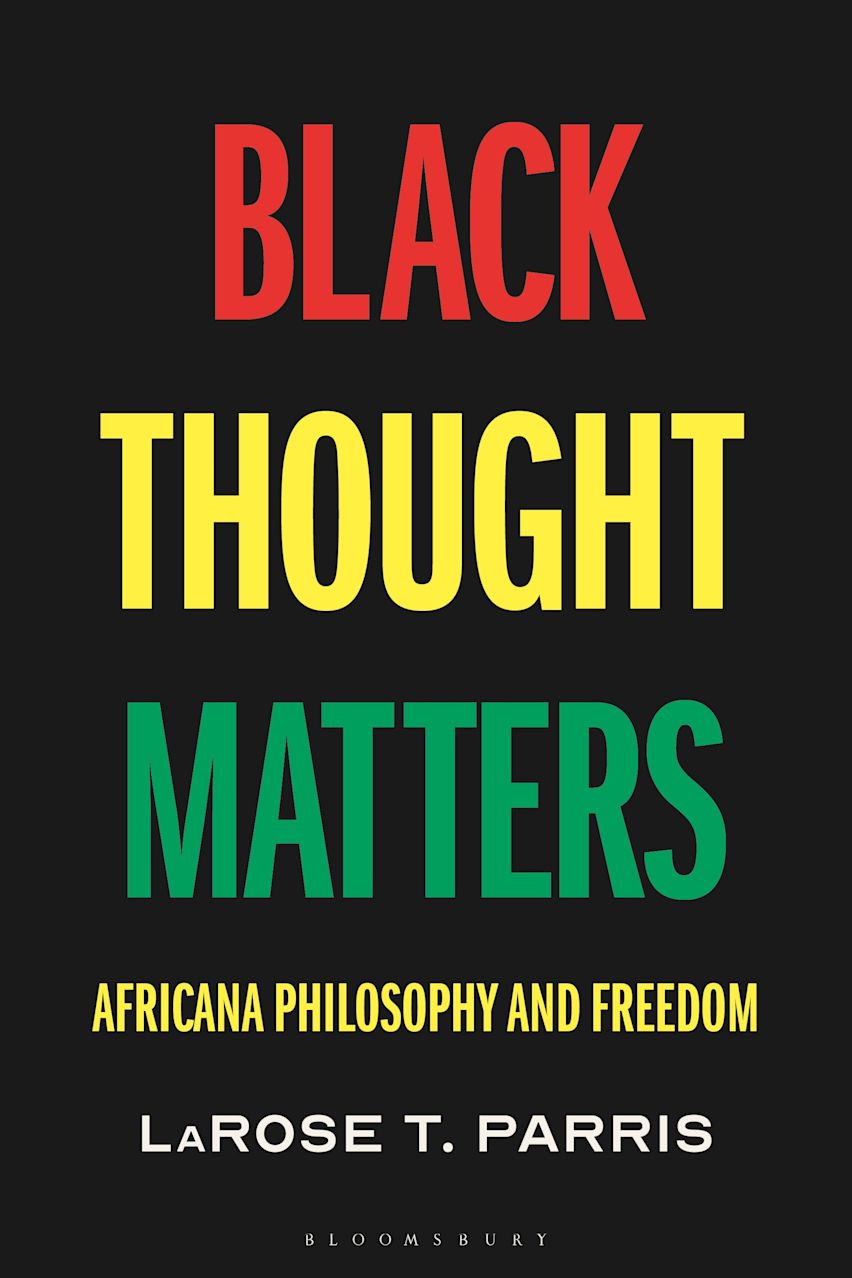
Black Thought Matters
Africana Philosophy and Freedom
Description
The profound influence of African and Afro-diasporic philosophy on Western thought has, throughout history, been denied and dismissed.
In an act of political and ideological defiance, Black Thought Matters traces the early production of philosophical thought to the African continent, disrupting the hegemonic Eurocentric narrative of the Enlightenment as the triumph of human rationality and intellectualism over blind religiosity. Across historical epochs-antiquity, the Enlightenment, the age of empire, and the modern world-LaRose T. Parris uncovers the persistent erasure, whitening, and distortion of Black thought. To rewrite this record, she draws on sources from Antef to Ibn Rushd, and Anna Julia Cooper to Frantz Fanon, as well as contemporary Africana philosophers, to construct a powerful counter-history that places Black thought at the centre rather than the margins of human knowledge.
In making the case for Africana philosophy's centrality to the genesis and movement of global philosophical and political thought, this book also valorizes transnational liberation efforts efforts repudiating Black dehumanization, criminalization, and extermination through state-sponsored police murder. Affirming Black thought's relevance announces a commitment to the import of Africana thinkers whose work laid the foundation for Black Lives Matter's ethical and political mission: to emphasize the intrinsic value of Black life and struggle to advance a radical egalitarianism wherein all lives are truly equal.
Accessibility Information
Additional accessibility information
- PDF/UA-2, 1.4
- accessibility@bloomsbury.com
Hazards
The publication contains no hazards
Support for non-visual reading
Has alternative text descriptions for images
Navigation
- Page list to go to pages from the print source version
- Elements such as headings, tables, etc for structured navigation
- All or substantially all textual matter is arranged in a single logical reading order
Table of Contents
Acknowledgements
Part One: Africana philosophy, enlightenment and freedom
1. Unveiling the history of Black thought
2. Leonard Harris's philosophy of struggle
3. Creolizing the academy
4. The Specter of Africana thought in Juliet Hooker's Theorizing Race in the Americas
5. 'To be young, gifted' and woman: Reading Rosa Luxemburg through Lorraine Hansberry
and the Black Radical Tradition
Part Two: 'Pressed to the wall but fighting back': Dialogues in Black thought
6. Interview with Jina Fast
7. Interview with A. Shahid Stover
8. Interview with Lewis R. Gordon
References
Product details

| Published | 25 Jun 2026 |
|---|---|
| Format | Ebook (PDF) |
| Edition | 1st |
| Pages | 224 |
| ISBN | 9781350536555 |
| Imprint | Bloomsbury Academic |
| Publisher | Bloomsbury Publishing |

Reviews

ONLINE RESOURCES
Bloomsbury Collections
This book is available on Bloomsbury Collections where your library has access.
Related Titles