
Description
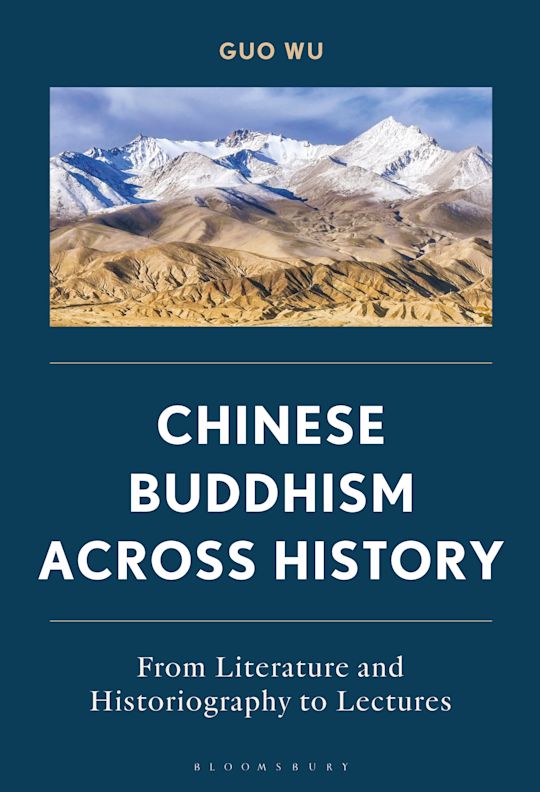
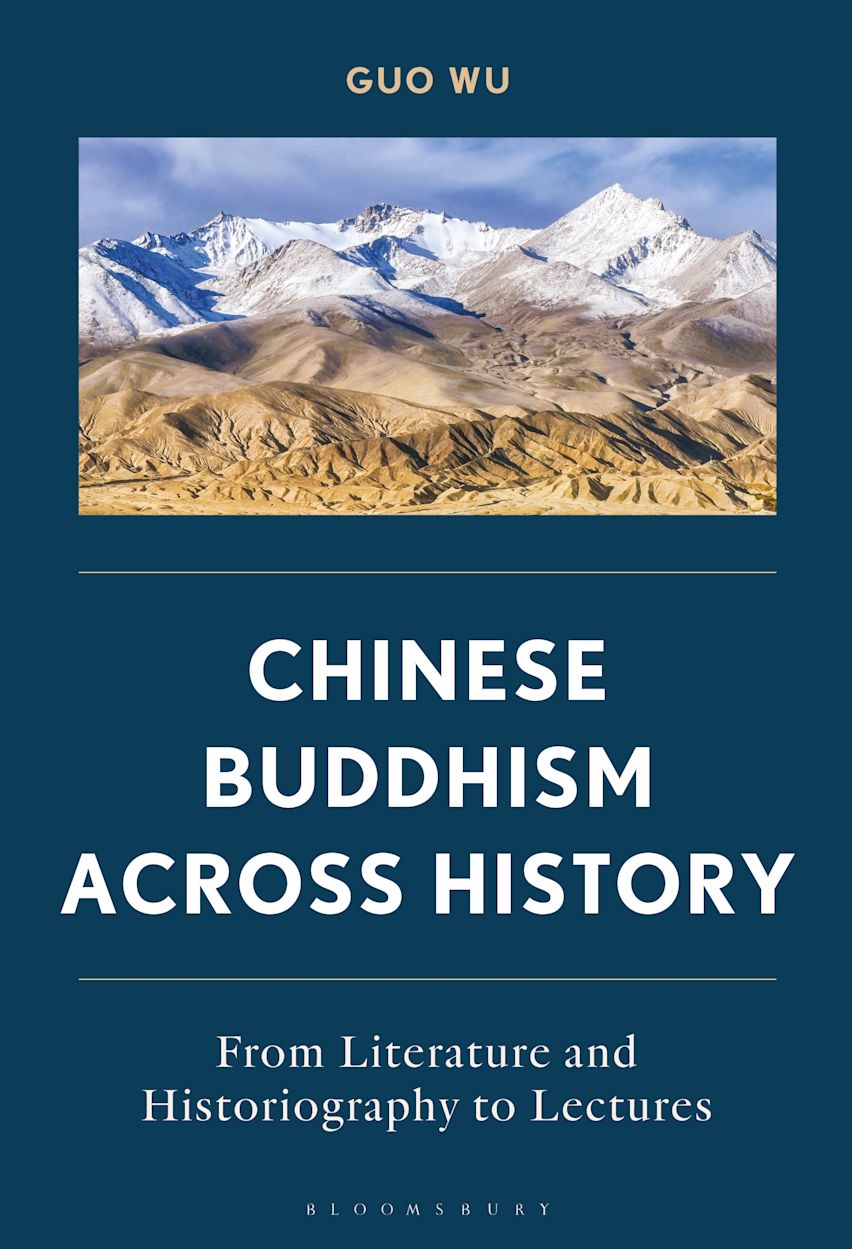
From medieval China to the early twentieth century, this book unpacks the complex relationship between Buddhism and Chinese culture.
Guo Wu situates Chinese Mahayana Buddhism within a broader transregional context, highlights the deep Iranian influences and analyzes the integration of Buddhism with local deities in South and Southeast Asia. Building on this perspective, the book presents five case studies that illustrate diverse modes of Buddhist assimilation into Chinese cultural life. These include: the transmission of Indian Buddhist animal narratives into China; the empirical and scholarly practices of Chinese monks in documenting the peoples and flora of Central Asia; the formation of early medieval Chinese Buddhist historiography; debates over Buddhist precepts and attitudes toward animals in late imperial Chinese secular society; and the efforts of modern reformist monks to address the civilizational crisis of the early twentieth-century.
This book reimagines Chinese Buddhism by challenging common perceptions and presenting it as a fluid, adaptive, and contextually embedded tradition. Wu argues for a decolonized and global approach to Chinese Mahayana Buddhism-one that recognizes all Buddhist traditions as historically contingent reinventions shaped by local conditions.
Accessibility Information
Additional accessibility information
- PDF/UA-2, 1.4
- accessibility@bloomsbury.com
Hazards
The publication contains no hazards
Support for non-visual reading
Has alternative text descriptions for images
Navigation
- Page list to go to pages from the print source version
- Elements such as headings, tables, etc for structured navigation
- All or substantially all textual matter is arranged in a single logical reading order
Table of Contents
Acknowledgments
Introduction. Re-asserting “Chinese Buddhism” in History
1. How the Transmission of the Jataka Animal Stories to Medieval China Enriched Chinese Culture and Complemented Confucianism
2. Historiography and Hagiography in Early Medieval China
3. Geography and Ethnography in Monk Xuanzang's Da Tang Xiyu Ji
4. Hunting for Tiger and Deer and Meat Consumption in Ming-Qing Fiction and Life
5. Chinese Buddhist Modernity and Monk Taixu's Lecture Tours to Europe and America in the 1920s
Conclusion. De-colonizing and De-centering Buddhist Studies in the Twenty-First Century
Bibliography
Index
Product details

| Published | 04 Mar 2027 |
|---|---|
| Format | Ebook (PDF) |
| Edition | 1st |
| Pages | 240 |
| ISBN | 9798216492993 |
| Imprint | Bloomsbury Academic |
| Illustrations | 1 table |
| Publisher | Bloomsbury Publishing |
Reviews
Related Titles