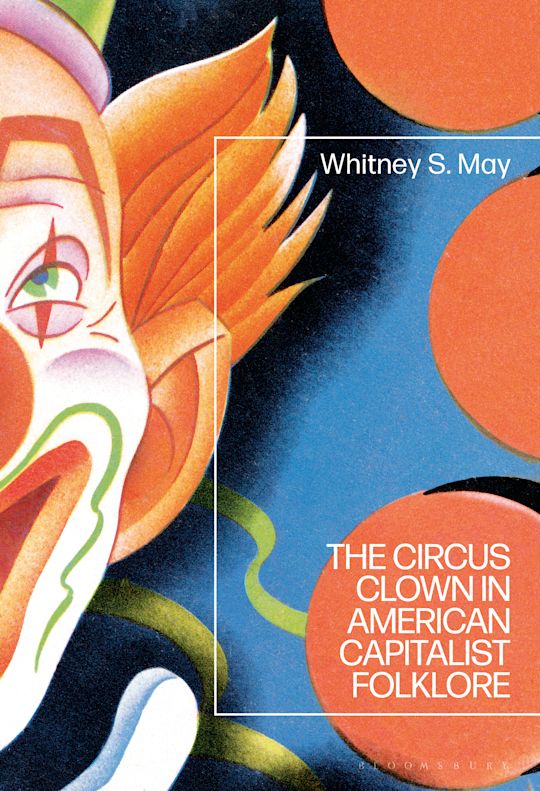

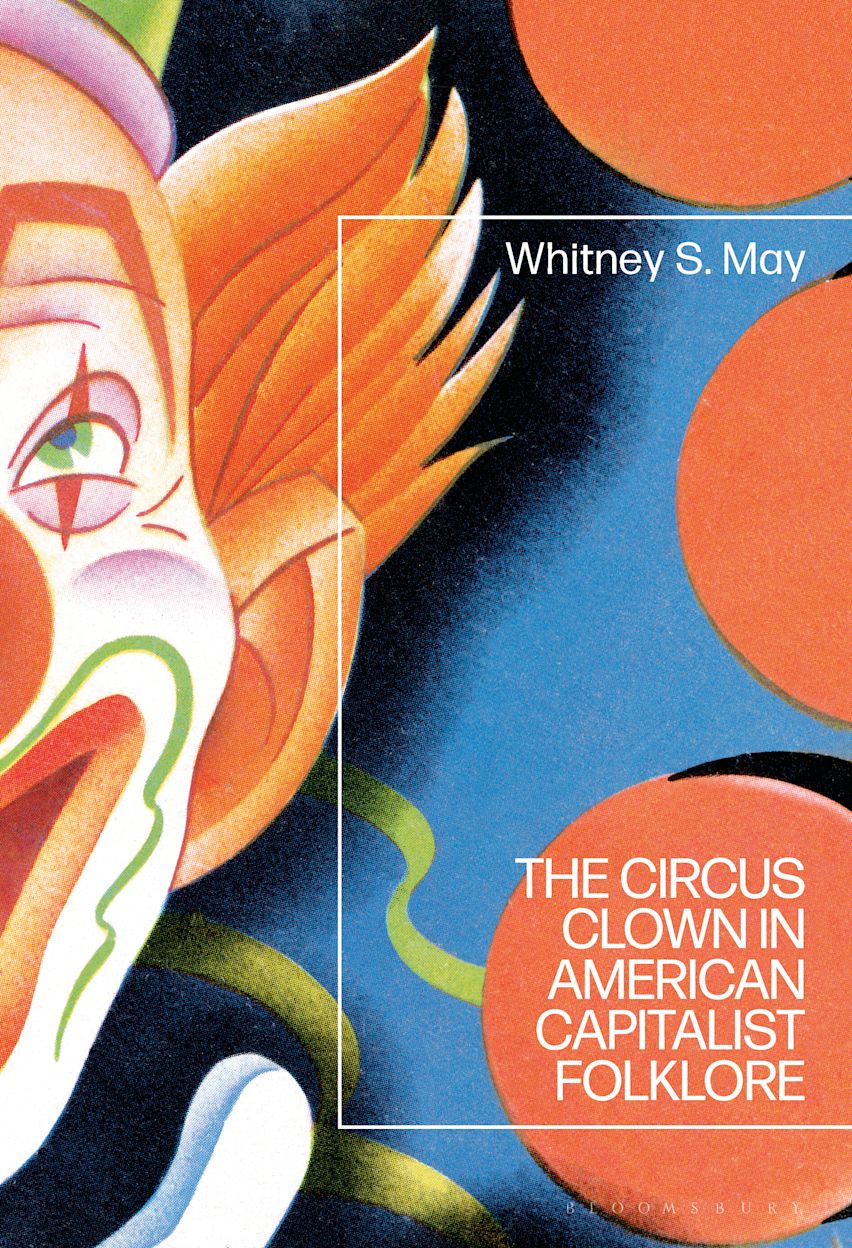
The Circus Clown in American Capitalist Folklore
Description
This book examines the cultural and commercial legacies of one of America's most beloved and bedeviled figures. It exposes how the circus clown has uniquely occupied, variously and sometimes simultaneously, positions of both corporate power and consumer resistances to that power.
In the 1920s a distinct American clown separated from the classical European tradition; a hundred years later, the surprise deployment of the clown in the 2020 U.S. election showed the profound insistence of this cartoonishly garish figure, inspiring both delight and horror. The American clown, a century old and still reliably popping up in and against marketing campaigns and financial fiction.
From reliable sales symbol to benevolent brand ambassador of recommissioned military technologies; from national hero to relic of economic prosperity vengefully murdered during recessions; from Depression-era figure inviting of collective pathos to Reagan-era icon of relentless bootstrapism; from Ronald McDonald to Pennywise(s) to “killer clown” hoaxes aplenty: this book pulls 139 instances of clowns and their commercial traces into frame in order to understand how the circus clown has shifted throughout the past century. In theorizing capitalist folklore, the author explores the symbolic exchange of these two concepts which has shaped the culture we have arrived at now, with socioeconomic referents of value warping into the intersecting shadows of cryptocurrency and post-truth politics.
Accessibility Information
Additional accessibility information
- PDF/UA-2, 1.4
- accessibility@bloomsbury.com
Hazards
The publication contains no hazards
Support for non-visual reading
Has alternative text descriptions for images
Navigation
- Page list to go to pages from the print source version
- Elements such as headings, tables, etc for structured navigation
- All or substantially all textual matter is arranged in a single logical reading order
Table of Contents
2. The American Circus Clown as Brand Ambassador From 1945 to 1962
3. The Kitschification of the Clown Commodity From 1963 to 1980
4. The Circus Clown Sacralized and Monsterfied From 1981 to 1992
5. The Circus Clown as Anti-Capitalist Hero(es) From 1993 to 2020
Product details

| Published | 21 Jan 2027 |
|---|---|
| Format | Ebook (PDF) |
| Edition | 1st |
| Pages | 260 |
| ISBN | 9798216395522 |
| Imprint | Bloomsbury Academic |
| Publisher | Bloomsbury Publishing |
Reviews
Related Titles