- Home
- ACADEMIC
- Literary Studies
- Comics and Graphic Novels
- Comics, Self, and Trauma
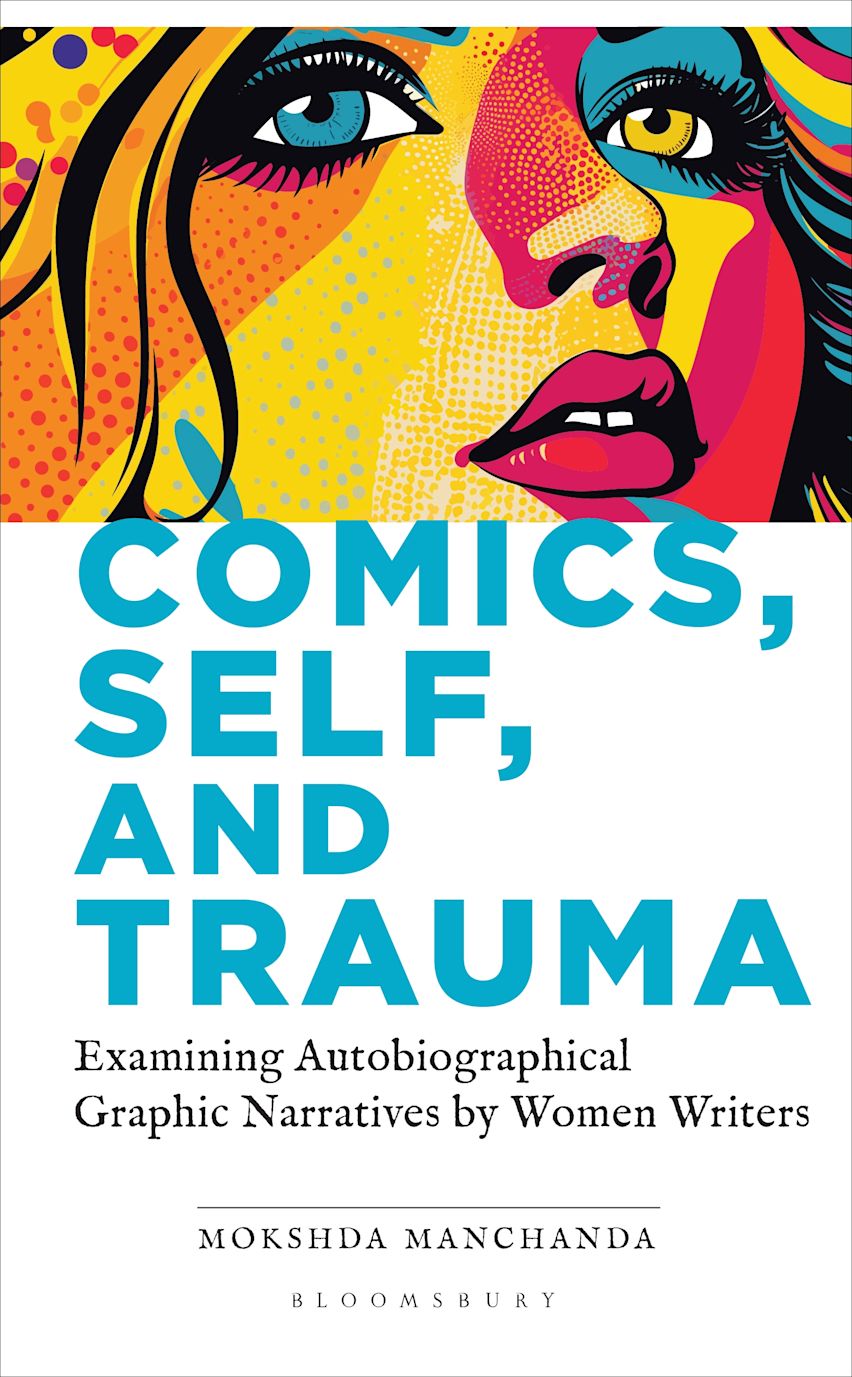
Comics, Self, and Trauma
Examining Autobiographical Graphic Narratives by Women Writers
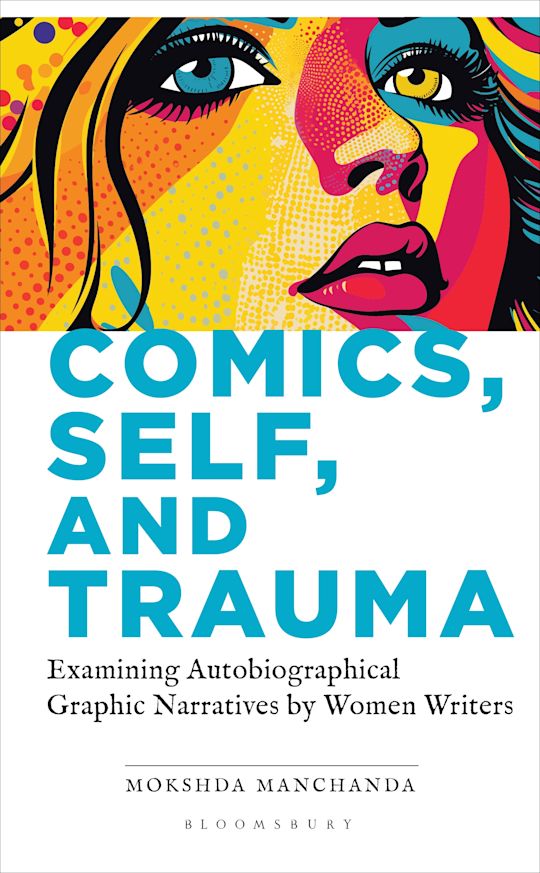
Comics, Self, and Trauma
Examining Autobiographical Graphic Narratives by Women Writers

You must sign in to add this item to your wishlist. Please sign in or create an account
Description
This book explores autobiographical graphic narratives by three women writer-cartoonists: Alison Bechdel, Ellen Forney, and Kabi Nagata, to understand why and how they choose to narrate their life stories in the comics medium.
Comics, Self, and Trauma analyses the representation of multiple selves and problematises how the past selves of the writer-cartoonists struggle through various mental and social anxieties and how it has been depicted in this particular medium. This analysis goes beyond the traumatic events or the underlying causes of anxieties in the writer-cartoonists' lives; it examines how they narrate and represent these psychosocial anxieties and their respective coping methods.
The fundamental questions raised and answered through this book are: firstly, and most importantly, why do these women choose the comics medium to document, understand, and re-create their own struggles in an autobiographical mode; secondly, how are their narrated and narrative selves re-constructed and represented through this medium?; and lastly, how is the language employed in a verbal and a visual medium and how does it allow authors to re-create their own cognitive, social, and sexual histories?
Table of Contents
Acknowledgements
Introduction
1 Autobiographical Graphic Narratives, Trauma, and Language
2 Obsessive-Compulsive Disorder, Depression, and Intertextuality in Alison Bechdel's Fun Home and Are You My Mother?
3 Bipolarity, Creativity, and Fluidity in Ellen Forney's Marbles
4 Sexuality, Self-Acceptance, and Social Anxieties in Nagata Kabi's Autobiographical Manga
Conclusion
Notes
Bibliography
Index
About the Author
Product details
| Published | 30 Aug 2026 |
|---|---|
| Format | Hardback |
| Edition | 1st |
| Pages | 216 |
| ISBN | 9789369528349 |
| Imprint | Bloomsbury India |
| Dimensions | 216 x 135 mm |
| Publisher | Bloomsbury Publishing |
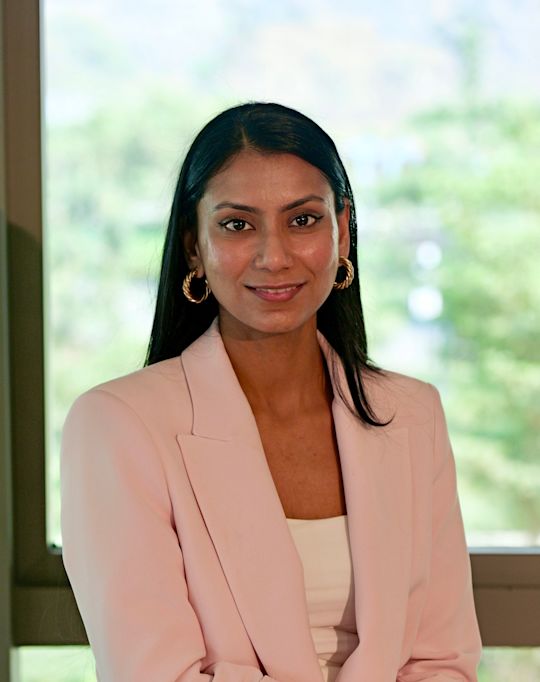
About the contributors
Reviews
-
A clearly written and incisive study of how female and queer comics artists are using autobiographical comics to explore the many forces that have shaped their complex inner lives and how they move through the world. Perfect for those new to comics studies and seasoned researchers, this book engages with autobiography theory, comics studies, trauma and memory studies, and gender and sexuality studies in a series of original and illuminating close readings that reveal Manchanda's deep learning as well as sensitivity to the nuances of the medium.
Candida Rifkind, Professor, Department of English, University of Winnipeg
-
Mokshda Manchanda offers an important contribution to discussions of autobiographical experience in graphic novels by women. With fresh insights into the work of Alison Bechdel, Ellen Forney, and Nagata Kabi, Comics, Self, and Trauma is a welcome addition to the growing body of scholarship on graphic life writing and the representation of mental health and personal experience in contemporary comics.
Bart Beaty, Professor, Faculty of Arts, Department of English, University of Calgary
-
I congratulate Dr. Mokshda Manchanda on her book Comics, Self and Trauma. The area of investigation is new, the texts chosen for analyses are innovative with regards to their genre, style, and content. It is a lucid work that illustrates how cognitive, social sexual histories can be reconstructed and understood through the genre of the graphic novel. Her close analyses of every minute panel, visual, word and idea of these narratives are insightful and a pleasure to read.
Sowmya Dechamma C. C. , Professor and Head, Centre for Comparative Literature, University of Hyderabad
-
Comics, Self, and Trauma offers an important contribution to contemporary literary and cultural scholarship by exploring the transformative potential of autobiographical graphic storytelling in articulating trauma, identity and selfhood through the works of women artists.
Priyanka Tripathi, Associate Professor of English, Department of Humanities and Social Sciences, Indian Institute of Technology Patna