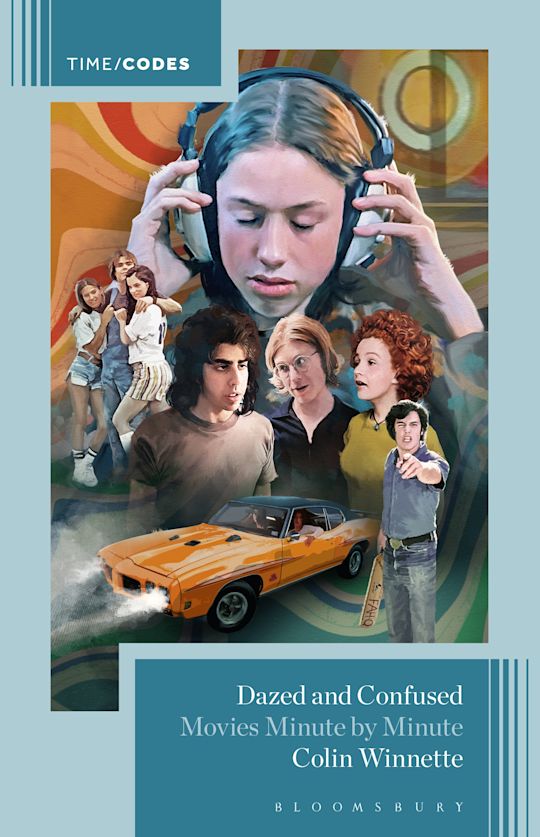

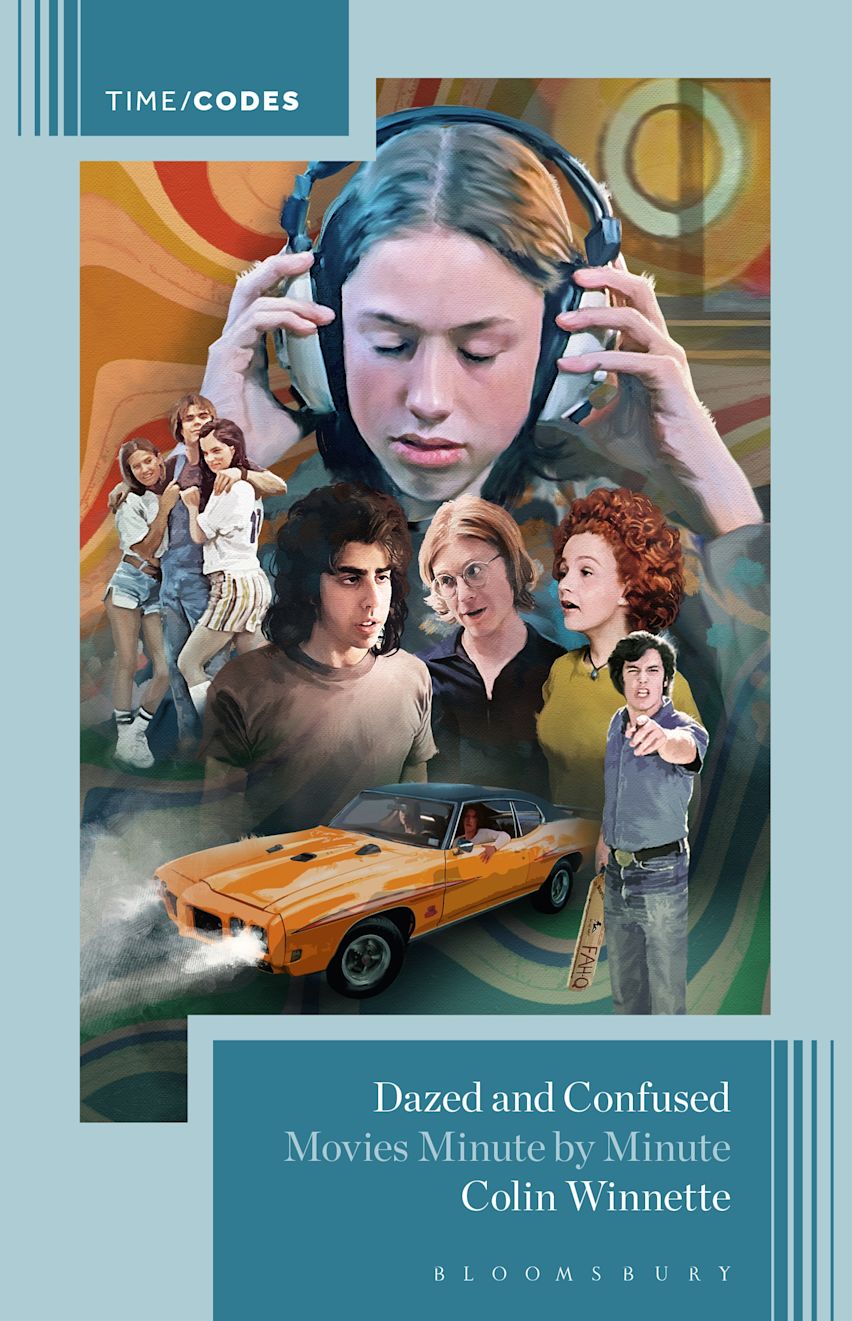
Description
A minute-by-minute analysis of Richard Linklater's 1993 film, Dazed and Confused.
Blending film criticism with creative nonfiction, each book in the Timecodes series focuses on one film, exploring it minute by minute beginning with minute one, and ending with the final minute before the closing credits.
This book uses a close study of Dazed and Confused to tell three interrelated stories of adolescent development: the filmmaker's, the film's characters, and the author's own. The film's unconventional approach to character and plot mirrors the author's own structureless and energetic childhood, while also having a profound impact on his artistic development, as the film revealed that bending traditional narrative rules could make a story feel more honest and precise. The film also marked a kind of artistic coming-of-age for Linklater himself, as he transitioned from his self-financed indie infancy into his first studio film.
The structure of Dazed and Confused mirrors the roving momentum of a youthful night, moving fluidly between characters, incidents, conversations, and what can only loosely be called “set pieces”, while never feeling aimless. Each moment moves the night forward, revealing more of our characters as we slowly form a sense of what the rest of their summer might look like, and how the rest of their lives might go (though we're also reminded there'll be surprises along the way). As these moments accumulate, viewers are invited to reflect on their own lives, their own friends, their own easy nights of highs and lows, boredom and elation, danger and congress. Adopting the formal conceit of the Timecodes series, this book accepts the film's invitation to live moment by moment, taking each discrete minute as an opportunity to reorient and explore new vantages on both the movie and the author's own life.
Accessibility Information
Additional accessibility information
- PDF/UA-2, 1.4
- accessibility@bloomsbury.com
Hazards
The publication contains no hazards
Support for non-visual reading
Has alternative text descriptions for images
Navigation
- Page list to go to pages from the print source version
- Elements such as headings, tables, etc for structured navigation
- All or substantially all textual matter is arranged in a single logical reading order
Table of Contents
Endnotes
Index
Product details

| Published | 12 Nov 2026 |
|---|---|
| Format | Ebook (PDF) |
| Edition | 1st |
| Pages | 184 |
| ISBN | 9798765134702 |
| Imprint | Bloomsbury Academic |
| Illustrations | 13 bw illus |
| Series | Timecodes |
| Publisher | Bloomsbury Publishing |

Reviews

ONLINE RESOURCES
Bloomsbury Collections
This book is available on Bloomsbury Collections where your library has access.
Related Titles