Decolonizing Library and Information Science Research Methodology
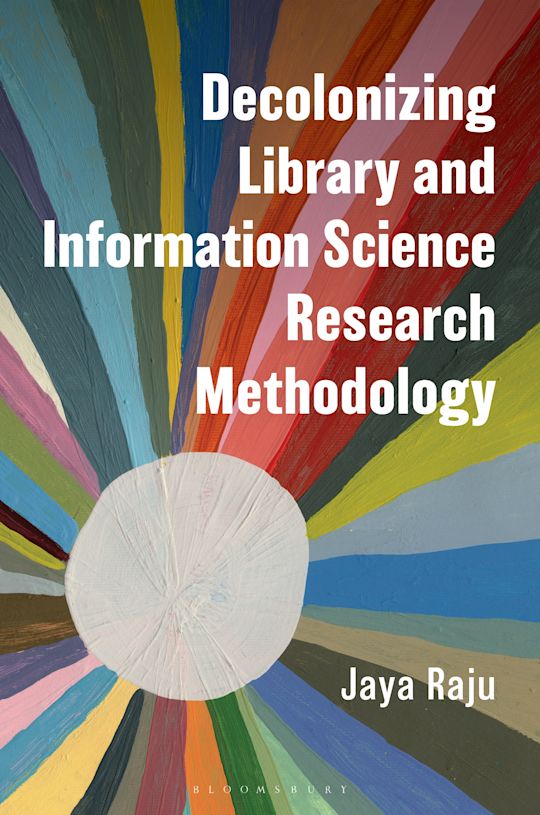

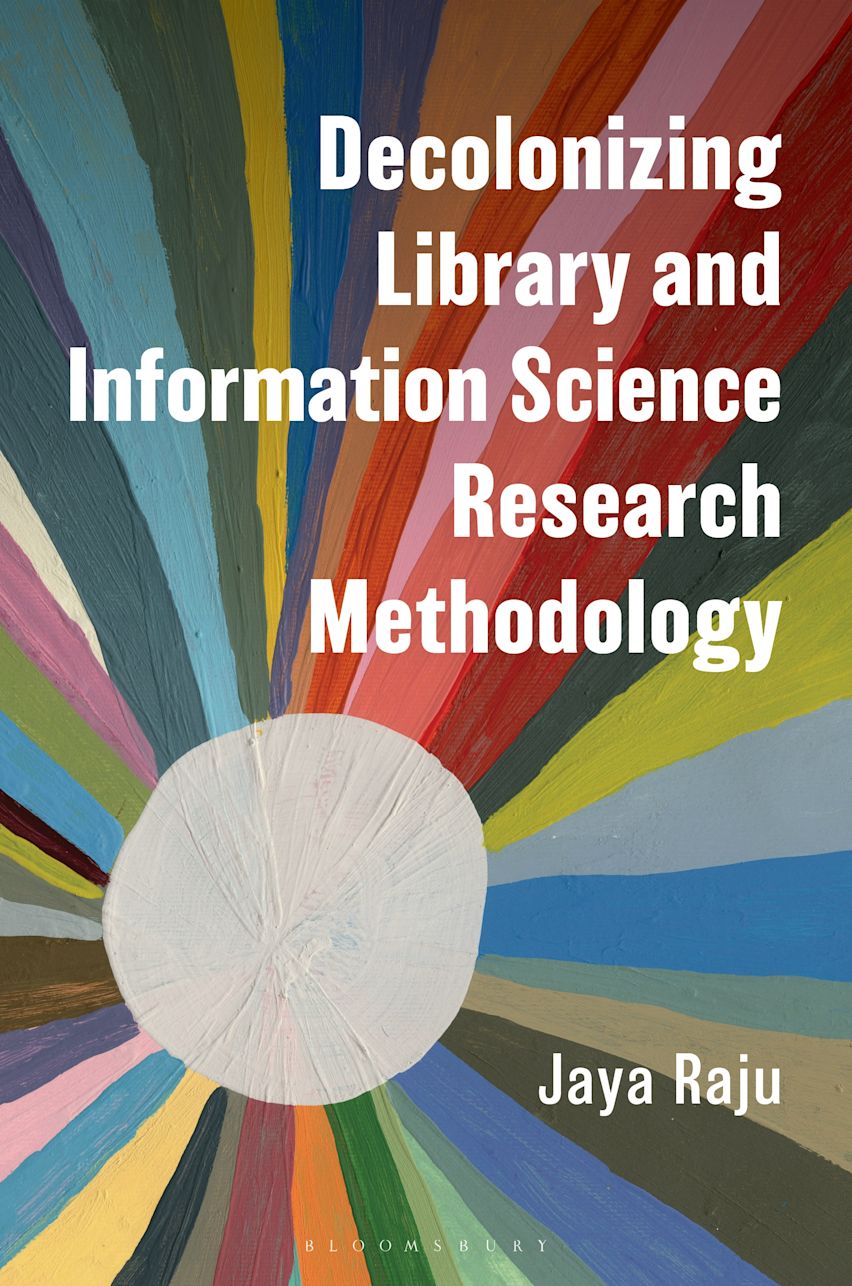
Decolonizing Library and Information Science Research Methodology
Description
Engage decolonial perspectives in LIS research methodology.
“Information” as conceptualized in the discipline of Library and Information Science (LIS) is not neutral. Library and information services increasingly, in the current digital information age, engage historical, cultural, social, economic, and political forces that interact with information. Such forces may use information to advance dominant epistemic agendas; hence there is a need for LIS researchers, students, practitioners, and other relevant stakeholders to critically interrogate and disrupt these forces in their curation of information for use in research, practice, theory development, policy application, etc.
This book engages decolonial perspectives in LIS research methodology for a transformative and critically reflexive approach to research that is community-based, culturally responsive and impactful for Indigenous and other historically marginalized communities. It positions decolonization as rejecting the privileging in scholarship of dominant western knowledge systems and intellectual traditions. Instead, it calls for the centering of perspectives, insights, and knowledges of Indigenous and other marginalized societies so that research may be inclusive of all knowledge systems, respectful of the researched, and of different ways of knowing embedded in the worldviews of others.
Accessibility Information
Additional accessibility information
- EPUB 3.0
- Conforms with the requirements of EPUB Accessibility Spec v1.1
- WCAG level AA
- WCAG v2.2 compliant
- accessibility@bloomsbury.com
Hazards
The publication contains no hazards
Support for non-visual reading
- No accessibility features offered by the reading system, device or reading software are disabled or otherwise unusable with the product
- Has alternative text descriptions for images
Visual adjustments
Appearance of the text and page layout can be modified according to the capabilities of the reading system (font family and size, spaces, as well as color of background and text)
Navigation
- Page list to go to pages from the print source version
- Elements such as headings, tables, etc for structured navigation
- All or substantially all textual matter is arranged in a single logical reading order
- Content is enhanced with ARIA roles to optimize organization and facilitate navigation
- Purposes of all links are made clear
Rich content
Language tagging provided
Table of Contents
Contents
Acknowledgements
Introduction
1. Library and Information Science Research Methodology: Ontology, Epistemology, Axiology and Methodology
2. Conceptual Framing: Decolonizing Library and Information Science Research Methodology
3. Research Approaches and Paradigms in Library and Information Science Research: Why the Need for an Epistemic 'Decolonial Turn'?
4. Decolonizing Research Methodology in Library and Information Science Research for Transformative Analysis of 'Lived Experiences' and 'Other Ways of Knowing'
5. Theory Intervention in Decolonizing Library and Information Science Research
6. Case Study 1: Decolonizing Library and Information Science Research Methodology – Africa
7. Case Study 2: Decolonizing Library and Information Science Research Methodology – Asia-Oceania
8. Case Study 3: Decolonizing Library and Information Science Research Methodology – North America
9. 'Braiding' Indigenous Knowledge Systems and Western Epistemologies in Library and Information Science Research Methodology: Opportunities for Co-existence and Convergence in Research
10. Decolonizing Library and Information Science Research Methodology: A Heuristic Tool in Library and Information Science Education for Socially Responsive and Impactful Research
References
Index
Product details
| Published | 12 Nov 2026 |
|---|---|
| Format | Ebook (Epub & Mobi) |
| Edition | 1st |
| Pages | 260 |
| ISBN | 9781538187494 |
| Imprint | Bloomsbury Libraries Unlimited |
| Illustrations | 3 bw illus |
| Series | Association for Library and Information Science Education |
| Publisher | Bloomsbury Publishing |
Reviews

ONLINE RESOURCES
Bloomsbury Collections
This book is available on Bloomsbury Collections where your library has access.