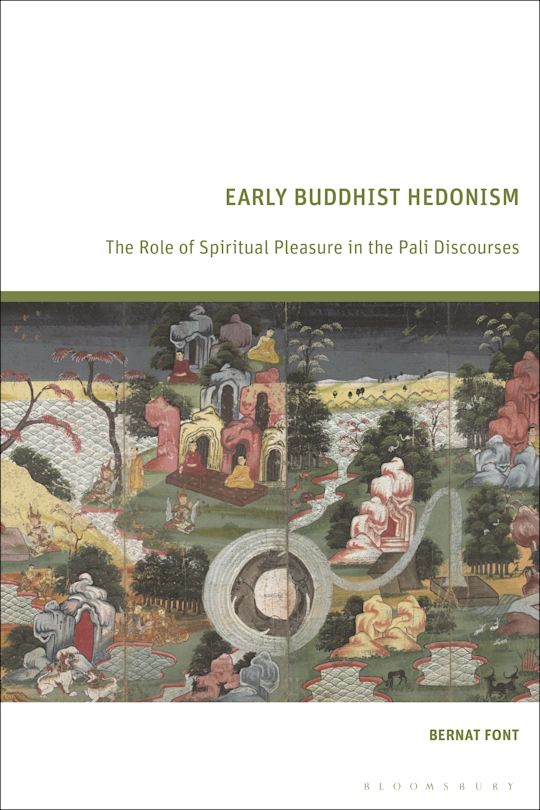
Early Buddhist Hedonism
The Role of Spiritual Pleasure in the Pali Discourses

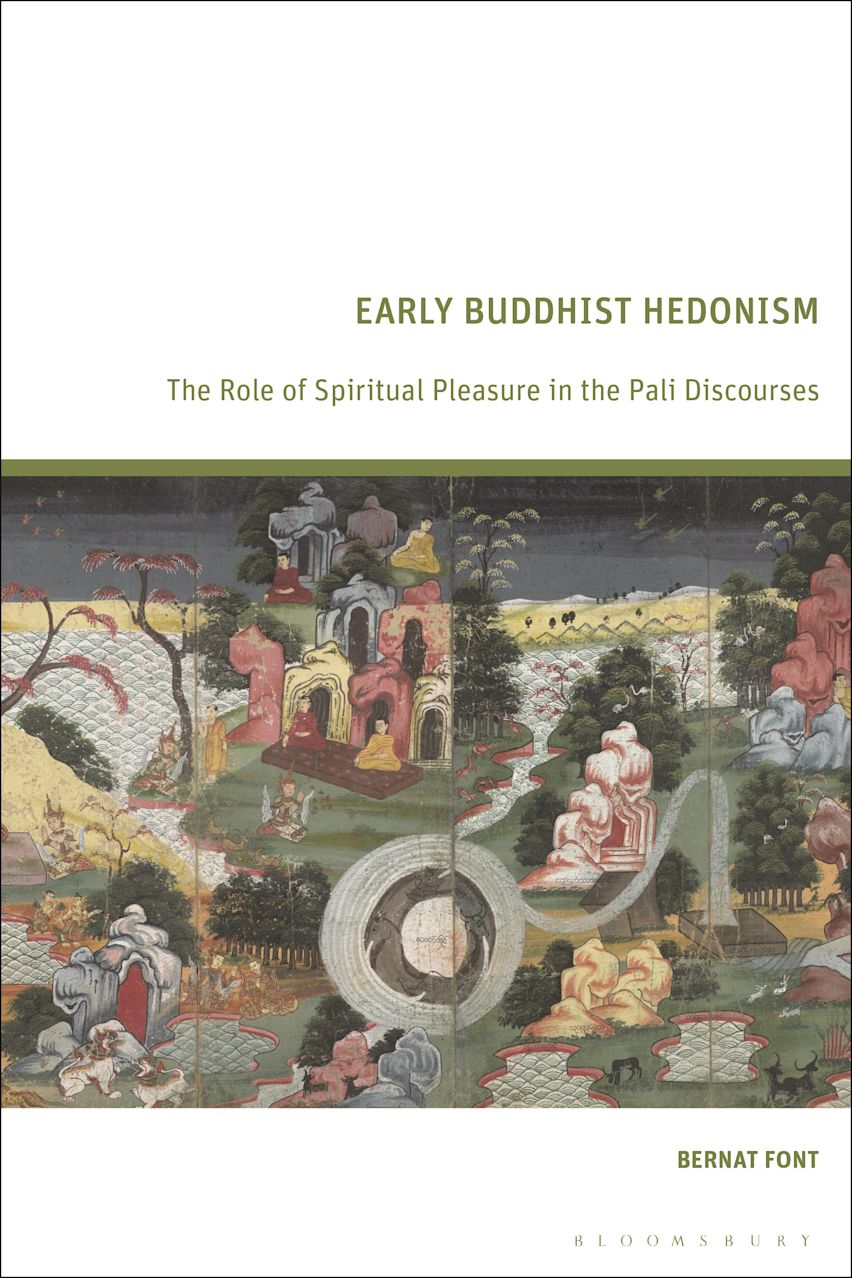
Early Buddhist Hedonism
The Role of Spiritual Pleasure in the Pali Discourses
Description
Contesting common perceptions of Buddhism as gloomy, pessimistic and emotionally restrained, this book reveals how/that the ancient path to liberation is centred on feeling good. Bernat Font explores how the Buddha portrayed in Pali discourses is a refined hedonist who seeks pleasure, and if he criticises sensory desire, he does so on the basis that it does not provide enough good feelings.
This book presents early Buddhism as a system that does not combat our tendency to avoid the unpleasant or seek pleasure, but instead uses it subversively for the sake of liberation. Through this notion, chapters explore how Early Buddhism engages fully with our emotional side and works in conjunction with it to transform one's whole being.
Looking at progress to awakening from the vantage point of feeling (vedana), this book uncovers an underlying hedonic curve shared across the jhanas, the awakening factors, mindfulness of breathing, satipatthana, and more. Bernat Font reveals the path as a training in finding pleasure in absences: first, in the absence of unethical behaviours, thoughts and impulses; and then in the absence of experiences that, while ethically neutral, still involve subtle disturbance. Nirvana, the texts say, is reached through pleasure, not through pain.
Accessibility Information
Additional accessibility information
- PDF/UA-2, 1.4
- accessibility@bloomsbury.com
Hazards
The publication contains no hazards
Support for non-visual reading
Has alternative text descriptions for images
Navigation
- Page list to go to pages from the print source version
- Elements such as headings, tables, etc for structured navigation
- All or substantially all textual matter is arranged in a single logical reading order
Table of Contents
List of abbreviations
Note on text
Preface
Introduction
1. Early Buddhism through the feeling glass
2. The concept of vedana and why it matters
3. A dance of pain and pleasure
4. Is it good to feel bad?
5. The soteriological value of spiritual pleasure
6. The underlying hedonic curve of early Buddhism
7. An ethical-hedonic training to wake up
Conclusion: Samatha and vipassana as the wisdoms of pleasure and pain
Afterword: Buddhism, Epicureanism and pleasure, John Peacock
Appendices
Selected discourses
Notes
References
Index
About the Author
Product details

| Published | 06 Aug 2026 |
|---|---|
| Format | Ebook (PDF) |
| Edition | 1st |
| Pages | 200 |
| ISBN | 9781350586840 |
| Imprint | Bloomsbury Academic |
| Illustrations | 0 bw illus |
| Publisher | Bloomsbury Publishing |

Reviews

ONLINE RESOURCES
Bloomsbury Collections
This book is available on Bloomsbury Collections where your library has access.
Related Titles