Entangled Colonialisms
Multi-Imperial Relations and Fragmented Cities in Treaty-Port China, 1860s-1930s
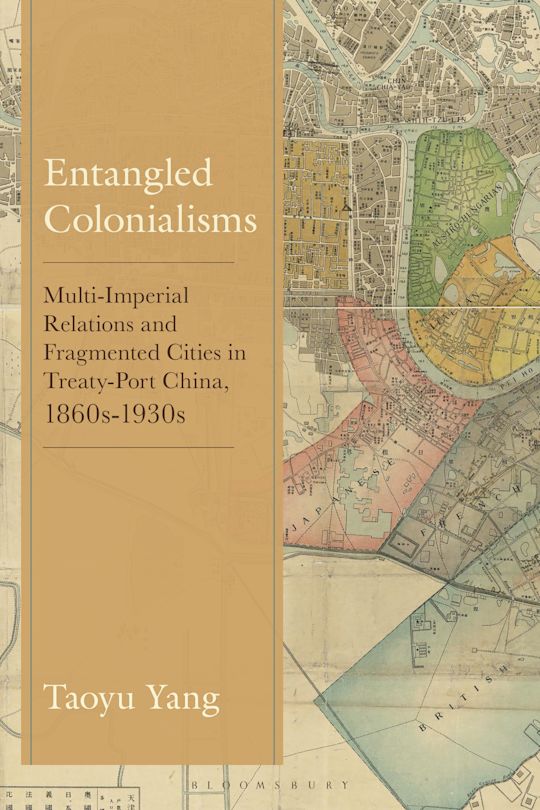

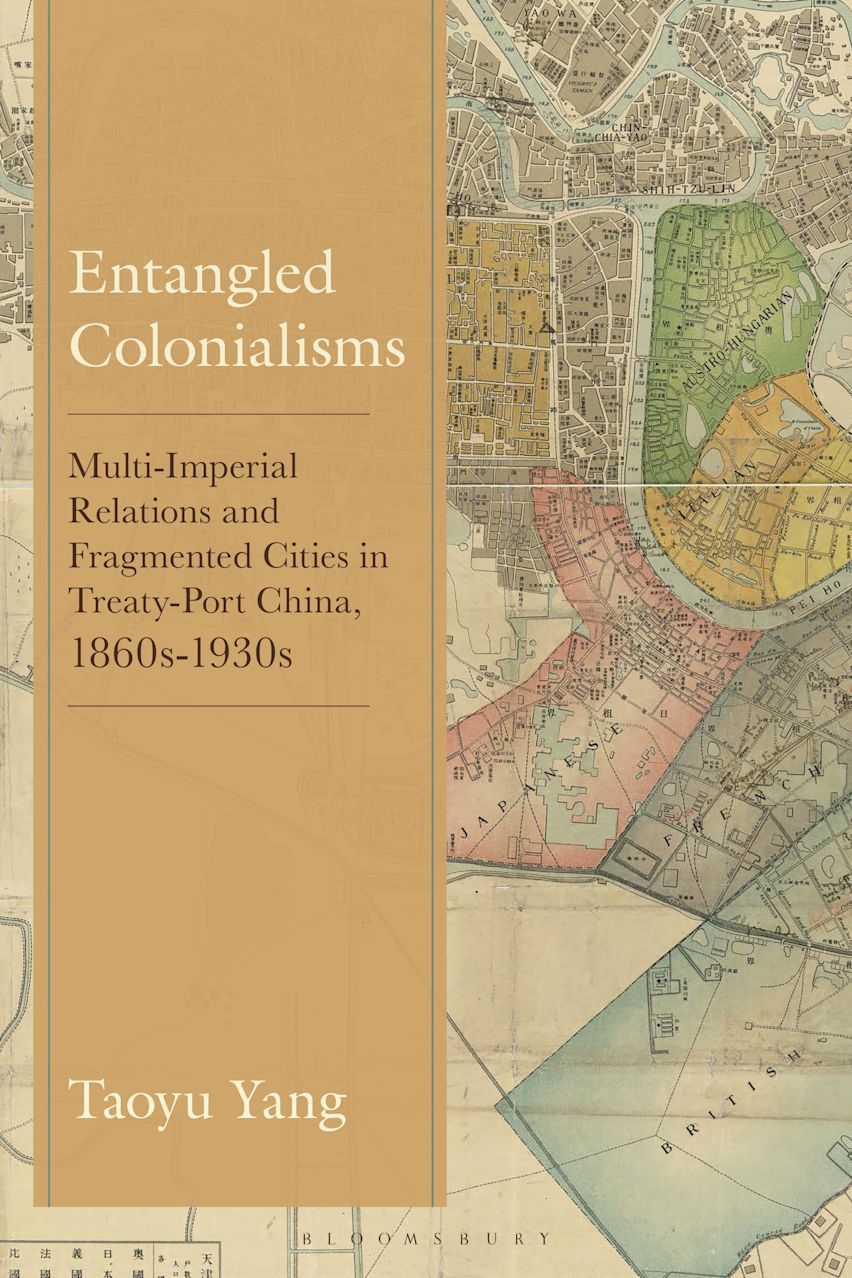
Entangled Colonialisms
Multi-Imperial Relations and Fragmented Cities in Treaty-Port China, 1860s-1930s
Description
Examines the entangled relationships among multiple imperialist powers operating in Chinese treaty-port cities during the late nineteenth and early twentieth centuries.
This book centers on China's two largest treaty ports: Tianjin and Shanghai, two cities that were divided into several colonial concessions alongside the Chinese districts from the 1850s to 1940s. While much scholarship on modern global imperial history and colonial urbanism has focused on the bilateral relationship between the colonizer and the colonized, this book underscores the concentration of multiple colonialisms in Shanghai and Tianjin that diverged from most examples where one empire dominated.
Taoyu Yang proposes “entangled colonialisms” as a new theoretical concept to illuminate broader questions about the nature of colonialism in China, imperial formation in the age of global empire, and how the study of treaty-port China can be situated in a global comparative framework. At the intersection of modern Chinese history, global imperial history, urban history, and diplomatic history, this book presents an interconnected history of multiple empires in the transformations of Shanghai and Tianjin while demonstrating how the cities made empires.
Drawing on multi-lingual and multi-archival source materials across several countries and regions, Yang foregrounds the interactions among various foreign powers in these urban settings, while revealing the varied ways in which Chinese and other colonial subjects negotiated and navigated the complex web of entangled colonialisms.
Accessibility Information
Additional accessibility information
- PDF/UA-2, 1.4
- accessibility@bloomsbury.com
Hazards
The publication contains no hazards
Support for non-visual reading
Has alternative text descriptions for images
Navigation
- Page list to go to pages from the print source version
- Elements such as headings, tables, etc for structured navigation
- All or substantially all textual matter is arranged in a single logical reading order
Table of Contents
Acknowledgments
Introduction
1. Good Neighbor or Archnemesis: Anglo-French Relations in Early Treaty-Port Shanghai
2. Tianjin's Colonial Mosaic: Producing a City of Empires
3. Negotiating the Tangled Web of Empires: Perspectives from Chinese Statesmen
4. The Great War's Shadow on Cities and the Ex-Concession Dilemma
5. Anti-Colonial Violence and Entangled Colonialisms in the Interwar Treaty Port Societies
Conclusion
Bibliography
Index
Product details

| Published | 21 Jan 2027 |
|---|---|
| Format | Ebook (PDF) |
| Edition | 1st |
| Pages | 240 |
| ISBN | 9798216446316 |
| Imprint | Bloomsbury Academic |
| Illustrations | 3 bw illus & 9 bw photos |
| Publisher | Bloomsbury Publishing |
Reviews
Related Titles