The Exemplum in Classical Persian Literature
The Rhetoric of Ethics from Aristotle to Attar
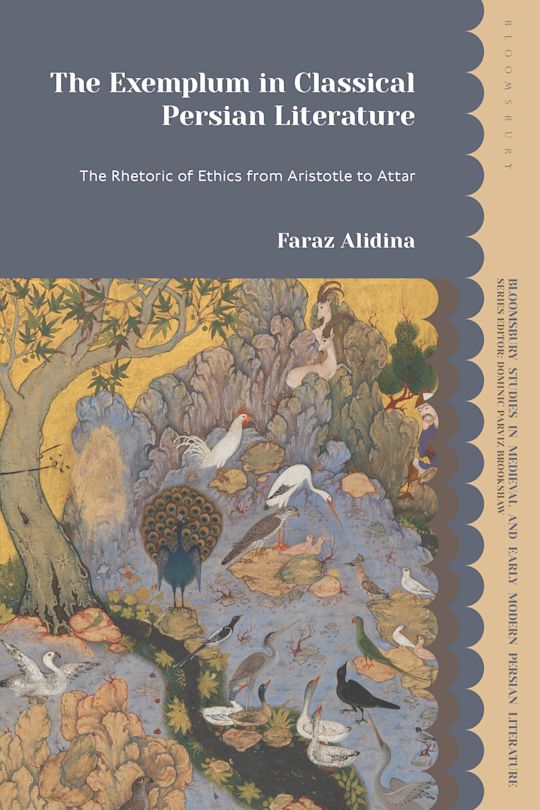

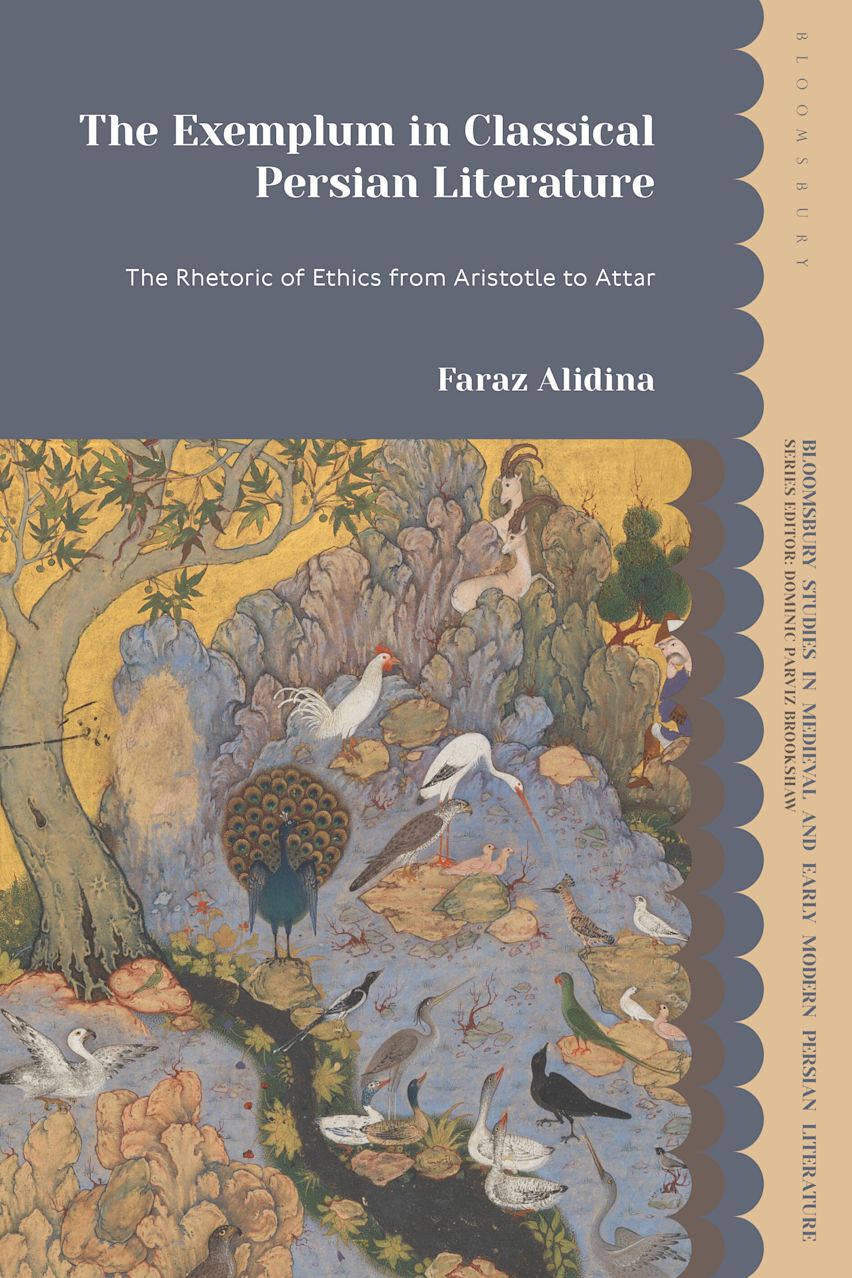
The Exemplum in Classical Persian Literature
The Rhetoric of Ethics from Aristotle to Attar
Description
Classical Persian literature is rich with entertaining narrative examples in the form of anecdotes, fables, tales, reports, and parables. Typically identified by terms such as hikayat, tamthil, qissah, and khabar, or introduced by phrases such as “it was said” or “I heard,” these stories can be read as what rhetorical theory refers to as "exempla" (singular, “exemplum”). Although often treated as literary ornaments or simple moral lessons, exempla were among the most powerful literary tools through which premodern writers explored topics in philosophical ethics, rhetorical persuasion, and moral truth.
This book offers the first sustained study of the exemplum in Persian literature. Moving from Aristotle and Galen to the Arabic philosophical tradition of Al-Farabi, Avicenna, and Averroes, and drawing on a range of medieval and early modern poetry and prose genres, Alidina illuminates the use of exempla by one of the tradition's boldest and most daring exponents: Farid al-Din 'Attar. This book demonstrates how the study of Attar's exempla not only sheds light on his philosophy of ethics, but also raises deep questions about the limits of deductive moral reasoning, the relationship between literary fiction and moral truth, and the power of stories to inspire spiritual and political transformation.
Accessibility Information
Additional accessibility information
- EPUB 3.0
- Conforms with the requirements of EPUB Accessibility Spec v1.1
- WCAG level AA
- WCAG v2.2 compliant
- accessibility@bloomsbury.com
Hazards
The publication contains no hazards
Support for non-visual reading
- No accessibility features offered by the reading system, device or reading software are disabled or otherwise unusable with the product
- Has alternative text descriptions for images
Visual adjustments
Appearance of the text and page layout can be modified according to the capabilities of the reading system (font family and size, spaces, as well as color of background and text)
Navigation
- Page list to go to pages from the print source version
- Elements such as headings, tables, etc for structured navigation
- All or substantially all textual matter is arranged in a single logical reading order
- Content is enhanced with ARIA roles to optimize organization and facilitate navigation
- Purposes of all links are made clear
Rich content
Language tagging provided
Table of Contents
Transliteration Charts
A Note on Dates
Introduction
I. Ethics and Storytelling
II. 'Attar, Sufism and Exempla
III. Defining the Exemplum in Greek, Arabic and Latin
1.The Exemplum in Aristotelian and Galenic Theories of Logic and Ethics
I. Enthymeme and Exemplum
II. Moral Self-Reflexivity and Parrhesia
III. Summary
2. The Ancients and The Heirs: Debating and Legitimating Homiletic Storytelling
I. The Origins and Early Disputes of Islamicate Storytelling
II. Controversies during the Umayyad and 'Abbasid Periods
III. Summary
3. Through Rupture and Continuity: Transmitting Exempla in the 10th–14th Century
I. Introduction
II. The Documentary vs. Narratological Approach
III. Comprehending the Old Man Planting
IV. The Inconvenient Home of the Old Woman
V. Summary
4. Exempla and Exemplarism: Re-reading 'Attar's Discourse of Birds
I. Introduction
II. Gathering the Congregation
III. The Hoopoe's Sermon of Pious Counsel
IV. Arriving at the Court of the Simurgh
V. Summary
Conclusion
I. Similarity, Discontinuity and Ornamentation
II. Crisis, Change and Continuity
III. Reconstituting our Contemporary Ethical and Political Consensus
Notes
Bibliography
Product details

| Published | 18 Feb 2027 |
|---|---|
| Format | Ebook (Epub & Mobi) |
| Edition | 1st |
| Pages | 256 |
| ISBN | 9781350667624 |
| Imprint | Bloomsbury Academic |
| Series | I.B. Tauris Studies in Medieval and Early Modern Persian Literature |
| Publisher | Bloomsbury Publishing |
Reviews
Related Titles