
Description
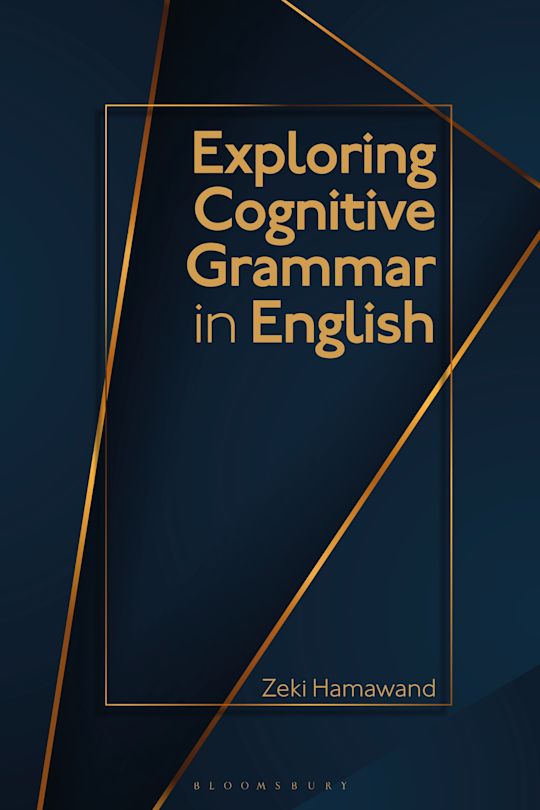
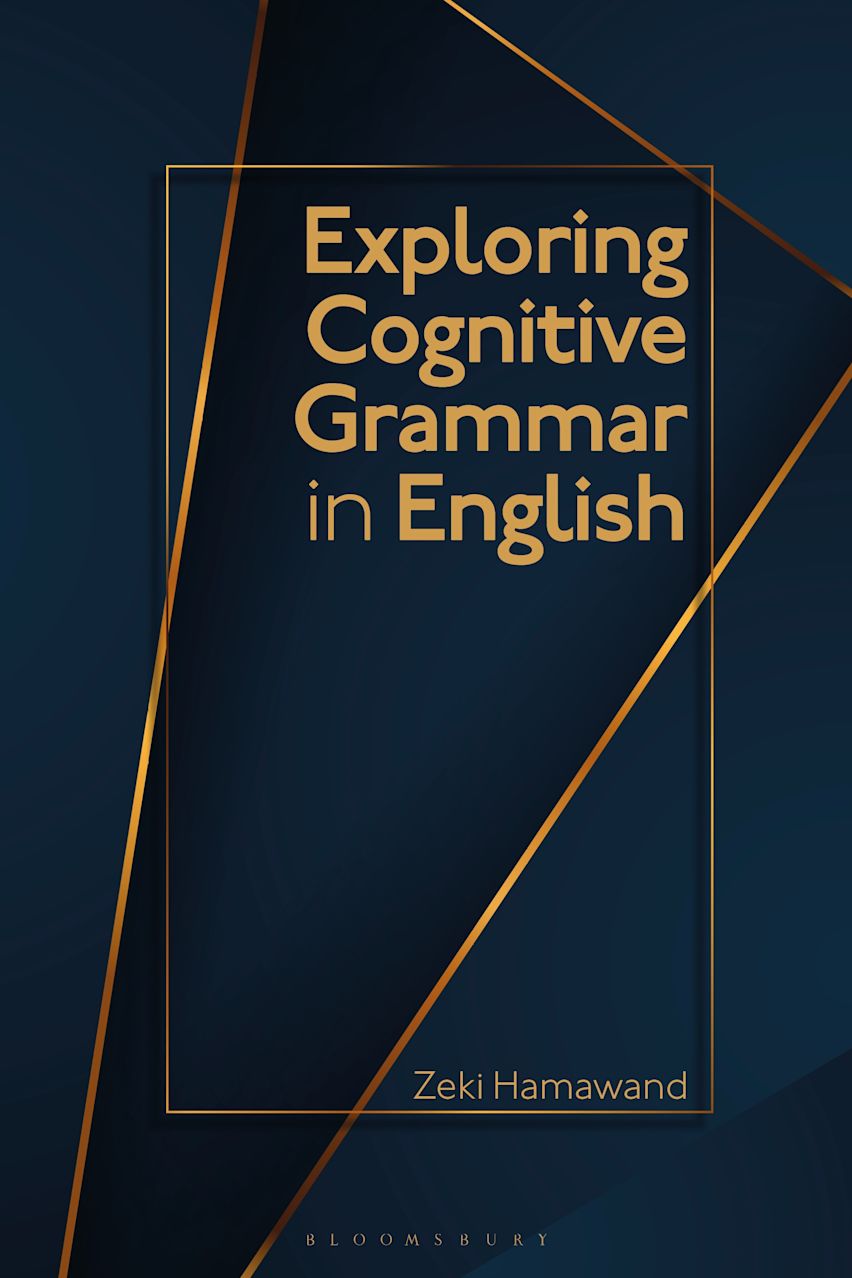
This introduction to cognitive grammar takes a cognitive linguistic approach to an important area of language study, linking grammatical structure to cognitive processes. With a focus on cognitive syntax, it provides students with the analytical tools needed to understand and apply core cognitive principles to real-world linguistic data, bridging the gap between theory and practice.
The author delves into the fundamental concepts of cognitive grammar, such as conceptual semantics and construal, and analyses various aspects of language structure, including simple and complex temporal and atemporal relations. He offers an in-depth exploration of how language structure is shaped by our cognitive processes, investigating how language reflects general aspects of cognition and is influenced by our mental and sociocultural experiences. As well as engaging with examples and exercises that reinforce key concepts and encourage critical thinking, this comprehensive guide:
· explains the principles of cognitive grammar and how they are applied to understand language structure and meaning
· familiarises students with key concepts in cognitive grammar
· introduces the theories behind language cognition
· elaborates on principles for effective analysis of grammatical structures
· equips students with the tools to analyse language structures and understand the techniques used to interpret them.
Exploring Cognitive Grammar in English is an essential resource for mastering cognitive grammar, offering students a comprehensive and practical guide to understanding the cognitive underpinnings of language.
Accessibility Information
Additional accessibility information
- EPUB 3.0
- Conforms with the requirements of EPUB Accessibility Spec v1.1
- WCAG level AA
- WCAG v2.2 compliant
- accessibility@bloomsbury.com
Hazards
The publication contains no hazards
Support for non-visual reading
- No accessibility features offered by the reading system, device or reading software are disabled or otherwise unusable with the product
- Has alternative text descriptions for images
Visual adjustments
Appearance of the text and page layout can be modified according to the capabilities of the reading system (font family and size, spaces, as well as color of background and text)
Navigation
- Page list to go to pages from the print source version
- Elements such as headings, tables, etc for structured navigation
- All or substantially all textual matter is arranged in a single logical reading order
- Content is enhanced with ARIA roles to optimize organization and facilitate navigation
- Purposes of all links are made clear
Rich content
Language tagging provided
Table of Contents
1. Grammatical Organisation
2. Semantic Organisation
Part II: Grammatical Classes: Things
3. Nouns
4. Noun Phrases
Part III: Relations: Atemporal Relations
5. Simple Atemporal Relations: Adjectives, Adverbs, Prepositions
6. Simple Atemporal Relations: Gerunds, Participles, Infinitives
Part IV: Relations: Temporal Relations
7. Simple Temporal Relations: Verbs
8. Simple Temporal Relations: Verb Phrases
9. Simple Temporal Relations: Simple Sentences
10. Complex Temporal Relations: Compound Sentences
11. Complex Temporal Relations: Correlative Sentences
12. Complex Temporal Relations: Complex Sentences
Final Thoughts
References
Index
Product details

| Published | 03 Sep 2026 |
|---|---|
| Format | Ebook (Epub & Mobi) |
| Edition | 1st |
| Pages | 400 |
| ISBN | 9781350567061 |
| Imprint | Bloomsbury Academic |
| Publisher | Bloomsbury Publishing |
Reviews

ONLINE RESOURCES
Bloomsbury Collections
This book is available on Bloomsbury Collections where your library has access.
Related Titles