
Description
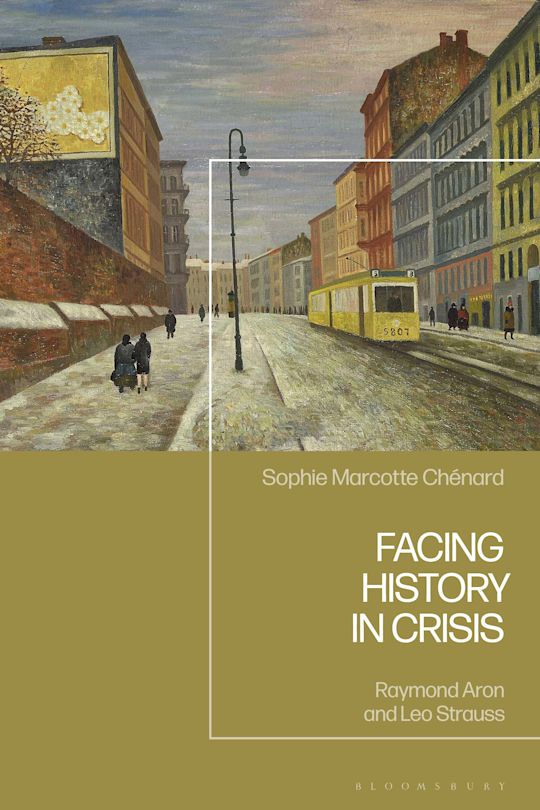
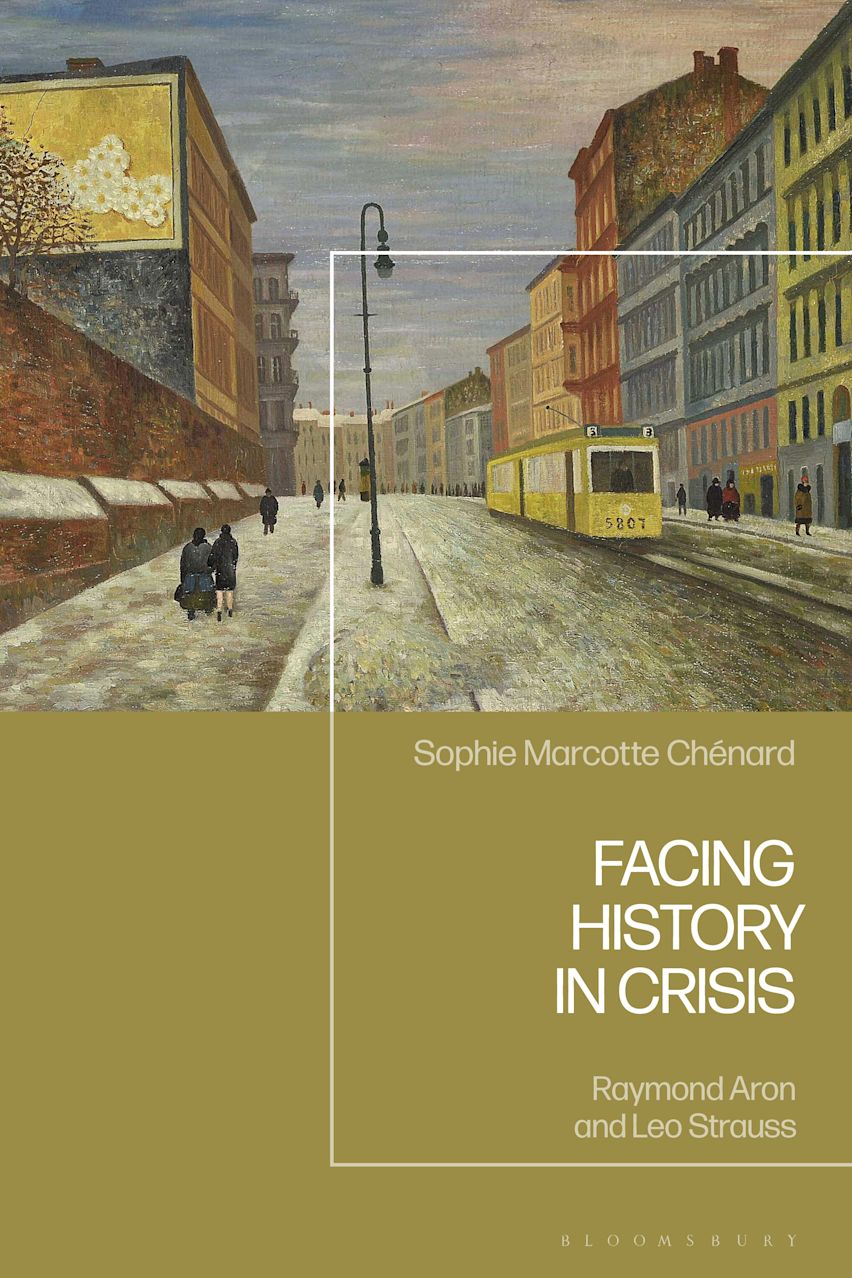
This book reconstructs the dialogue between two major thinkers of the 20th century, Raymond Aron and Leo Strauss, and draws important lessons from their experience of facing history in times of crisis.
Focusing on the intellectual and ideological struggles surrounding the concept of historicism, Sophie Marcotte Chénard brings to light its practical and political dimensions, and positions it as a central path to theorizing the development of political philosophy in the 20th century. Taking Max Weber's reflections on the limits of historicism and polytheism of values as a starting point, the author reconstructs the understudied dialogue between Leo Strauss and Raymond Aron through the analysis of a wealth of archival sources that range from unpublished materials to correspondence. Following complementary and at times opposing lines of thought, Aron and Strauss pave the way for a renewed philosophy of political judgement born out of the crisis of the 1930s, the Second World War, and its subsequent ideological confrontations.
The result of this process sheds a new light on the ways in which both thinkers participate in the redefinition of the tasks of political philosophy in the postwar period, in particular with regard to the question of political judgment.
Accessibility Information
Additional accessibility information
- PDF/UA-2, 1.4
- accessibility@bloomsbury.com
Hazards
The publication contains no hazards
Support for non-visual reading
Has alternative text descriptions for images
Navigation
- Page list to go to pages from the print source version
- Elements such as headings, tables, etc for structured navigation
- All or substantially all textual matter is arranged in a single logical reading order
Table of Contents
1. Historicism as a Polemical and Political Concept
2. Historicism and the Crisis of Modern Reason: Leo Strauss and the Problem of History
3. Raymond Aron and the Forms of Historical Consciousness
4. Beyond the Warring Gods: Interpreting Max Weber in the Postwar Period
5. What Can We Learn from Political History? Strauss and Aron, Readers of Thucydides
6. Reason in History, Reason Against History: Rationalism and Political Judgment
Conclusion: Thinking in Uncertain Times and the Fate of Political Judgment
Bibliography
Product details

| Published | 15 Apr 2027 |
|---|---|
| Format | Ebook (PDF) |
| Edition | 1st |
| Pages | 272 |
| ISBN | 9781350540484 |
| Imprint | Bloomsbury Academic |
| Illustrations | 10 bw illus |
| Publisher | Bloomsbury Publishing |
Reviews
Related Titles