Guns Are Not Enough
Foreign Aid in the National Interest
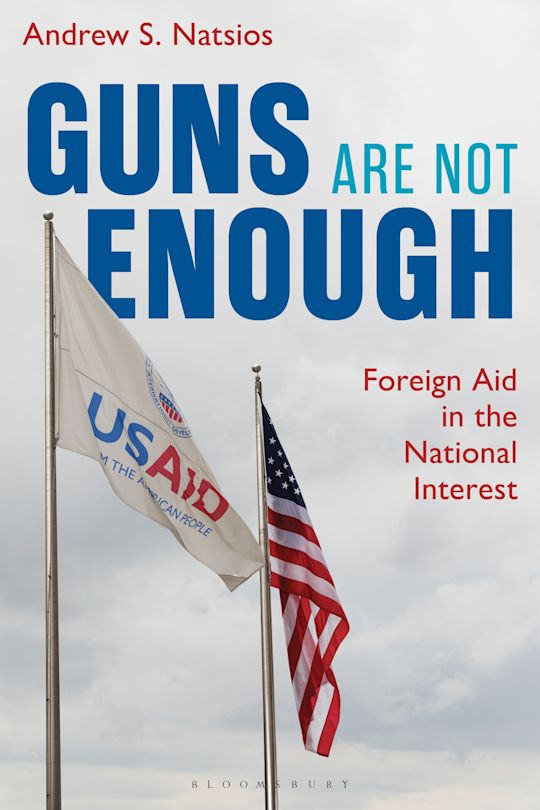

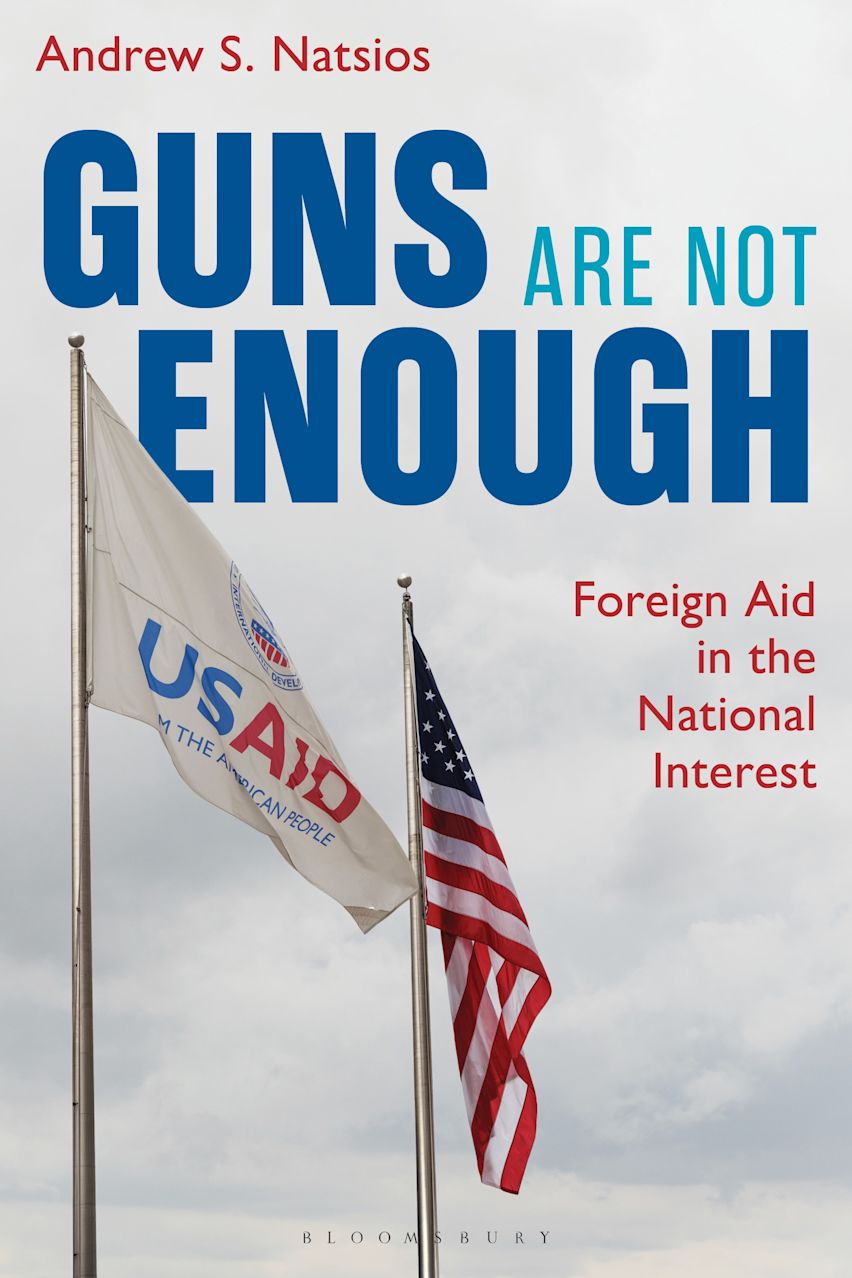
Guns Are Not Enough
Foreign Aid in the National Interest
Description
Foreign aid has been a powerful tool for advancing the United States' national interest, serving the poor of the world, and accelerating the modernization process in developing countries. The United States Agency for International Development (USAID) functioned as the principal US government defense against famine and starvation, tyranny and chaos, pandemics and disease outbreaks, and extreme destitution. This book is about what USAID was, what it did, and some of the hidden challenges the Agency faced during its existence. Written by a former administrator of USAID (2001-2006), Andrew Natsios, this book offers a vivid insider's account of the Agency - drawing on dozens of candid interviews with former staff who devoted themselves to saving lives and advancing American interests across the globe.
Natsios shares deeply personal accounts from his more than 35 years of experience in international development, time in government, and often high stakes moments in Afghanistan, covering everything from preventing a famine, educating girls, building health clinics, restoring irrigation canals, and more. These experiences led Natsios to observe what he calls the five clashes of development with other bureaucratic and political interests which often hindered USAID's potential successes. He argues that these five clashes of development cannot be solved, only managed. Exploring development theory, the counter bureaucracy, diplomacy, politics, and defense - he presents sharp insights on USAID's operational model and how the Agency could have been more effective.
The destruction of USAID in 2025 is already causing profound and tragic consequences for tens of millions of people around the world. This timely portrait of USAID offers a compelling reminder of how American engagement in global affairs requires more than projections of military power. It concludes with a chapter on what American foreign aid should look like in a new era of great power rivalry.
Accessibility Information
Additional accessibility information
- PDF/UA-2, 1.4
- accessibility@bloomsbury.com
Hazards
The publication contains no hazards
Support for non-visual reading
Has alternative text descriptions for images
Navigation
- Page list to go to pages from the print source version
- Elements such as headings, tables, etc for structured navigation
- All or substantially all textual matter is arranged in a single logical reading order
Table of Contents
1. Foreign Aid: Past, Present, and Future
2. The Dismantling of the United States Agency for International Development
3. The Unintended Consequences of the Dismantling of USAID
4. The Clash of Development Theory and Practice: The Schools of Development and the Demand for Quick, Visible, and Measurable Results
Part II: Relative Autonomy from other Federal Agencies?
5. The Clash of the Counter-bureaucracy and Development: The Spread of the Obsessive Measurement Disorder
6. The Clash of the Counter-bureaucracy and Development II: The Industrialization of Development
7. The Clash of Diplomacy and Development: The Benefits and Dangers of Using Aid for Diplomatic Purposes
8. The Clash of Politics and Development: The Rise of the Foreign Aid Industrial Complex, Congress and Ideology
9. The Clash of Defense and Development: The Militarization of International Development?
10. Afghanistan Reconstruction and Development: A Case Study in the Five Clashes
Part III: The Operating Systems to Implement Programs
11. Buying Development: Business Systems, Allocating Aid, Managing Risk, and Choosing Partners
12. Conclusion: The Collapse and Rebirth of the International Aid Order: Consolidation, Decentralization, and Deregulation
Product details

| Published | 15 Oct 2026 |
|---|---|
| Format | Ebook (PDF) |
| Edition | 1st |
| Pages | 480 |
| ISBN | 9798216277569 |
| Imprint | Bloomsbury Academic |
| Illustrations | 30 b&w figures |
| Publisher | Bloomsbury Publishing |

Reviews

ONLINE RESOURCES
Bloomsbury Collections
This book is available on Bloomsbury Collections where your library has access.
Related Titles