Humanism and the Anthropocene
Recovering the Ethical Value of Humanity in the 21st Century

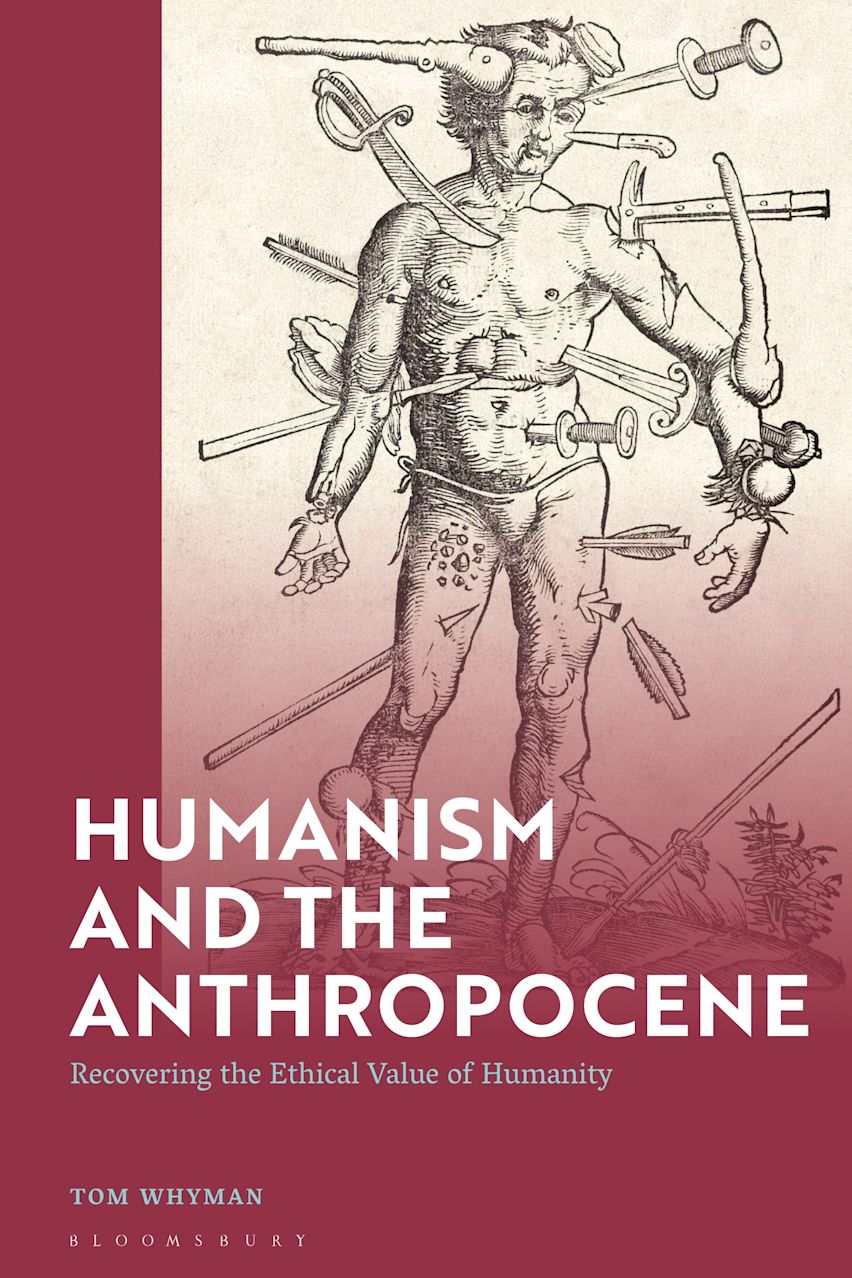
Humanism and the Anthropocene
Recovering the Ethical Value of Humanity in the 21st Century
Description
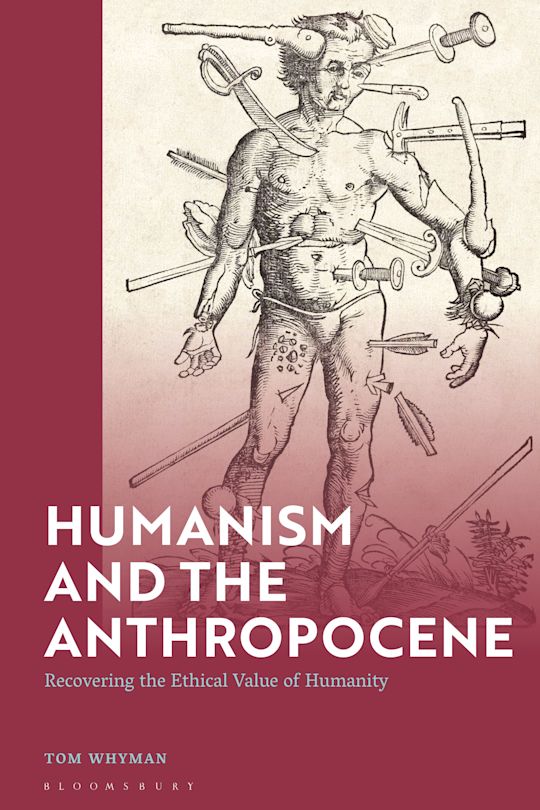
In response to the rise of anti-humanist thought, Tom Whyman proposes a new defence of humanism for the Anthropocene and the age of AI. We live in an age where humanity has taken on an importance to nature so central that we have become, as a species, the primary driver of geological change. But this recognition hardly fills us with a sense of pride at our achievements. Instead we are increasingly ambivalent about our own humanity: an ambivalence manifested from the academic humanities to cutting-edge AI research that seeks to remove the human altogether. But what does it mean to be 'human' in the first place? And how do we regain a sense of the ethical value of our humanity?
Answering these questions, this book advances a new theory of 'minimal humanism'. This involves the examination and acceptance of the 'human' as a concept of meaningful, practical, ethical, and theoretical importance. Whyman argues that humanity cannot help but matter to us, as reason is essentially a human act, and criticises philosophers' attempts to separate our animal nature from our rationality, arguing instead that they are dynamically intertwined with an ever-changing nature. And yet, Whyman emphasises, the humanism he presents is 'minimal', because, in agreement with anti-, trans-, and post-humanist critiques, he wishes to remind readers of humanism's importance without enshrining our species as the absolute pinnacle of Being.
In lively dialogue with neo-Aristotelian ethical naturalism, Adorno, Marx, Midgley, Kant, and others, this is essential reading for anyone grappling with the ethical value of the 'human' in the 21st century.
Accessibility Information
Additional accessibility information
- PDF/UA-2, 1.4
- accessibility@bloomsbury.com
Hazards
The publication contains no hazards
Support for non-visual reading
Has alternative text descriptions for images
Navigation
- Page list to go to pages from the print source version
- Elements such as headings, tables, etc for structured navigation
- All or substantially all textual matter is arranged in a single logical reading order
Table of Contents
1 How to be a Naturalist
2 Natural-Historical Animals
3 Ethical Materialism
4 Why we (cannot help but) matter
Conclusion: Ordinary corrupt human life
Bibliography
Index
Product details

| Published | 17 Sep 2026 |
|---|---|
| Format | Ebook (PDF) |
| Edition | 1st |
| Pages | 176 |
| ISBN | 9781350566569 |
| Imprint | Bloomsbury Academic |
| Publisher | Bloomsbury Publishing |

Reviews

ONLINE RESOURCES
Bloomsbury Collections
This book is available on Bloomsbury Collections where your library has access.
Related Titles