India Liberated
The Constitution That Built a Democracy
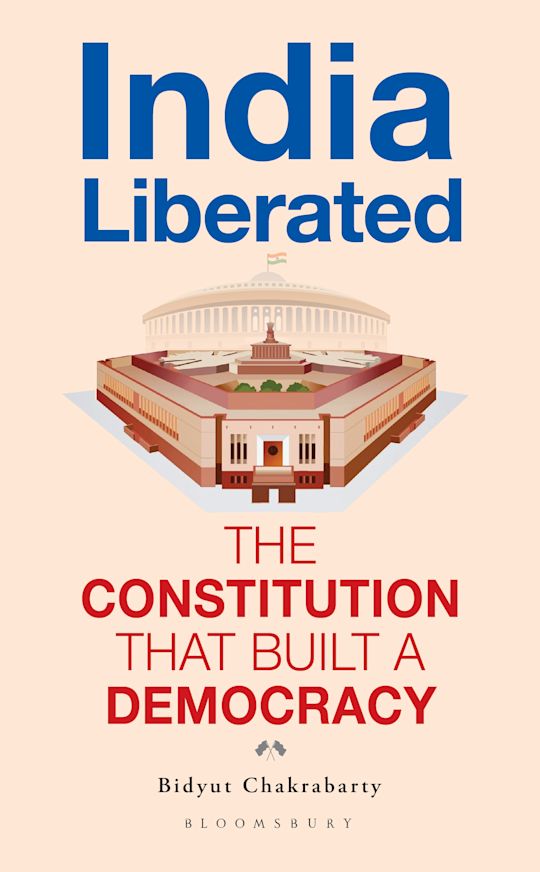

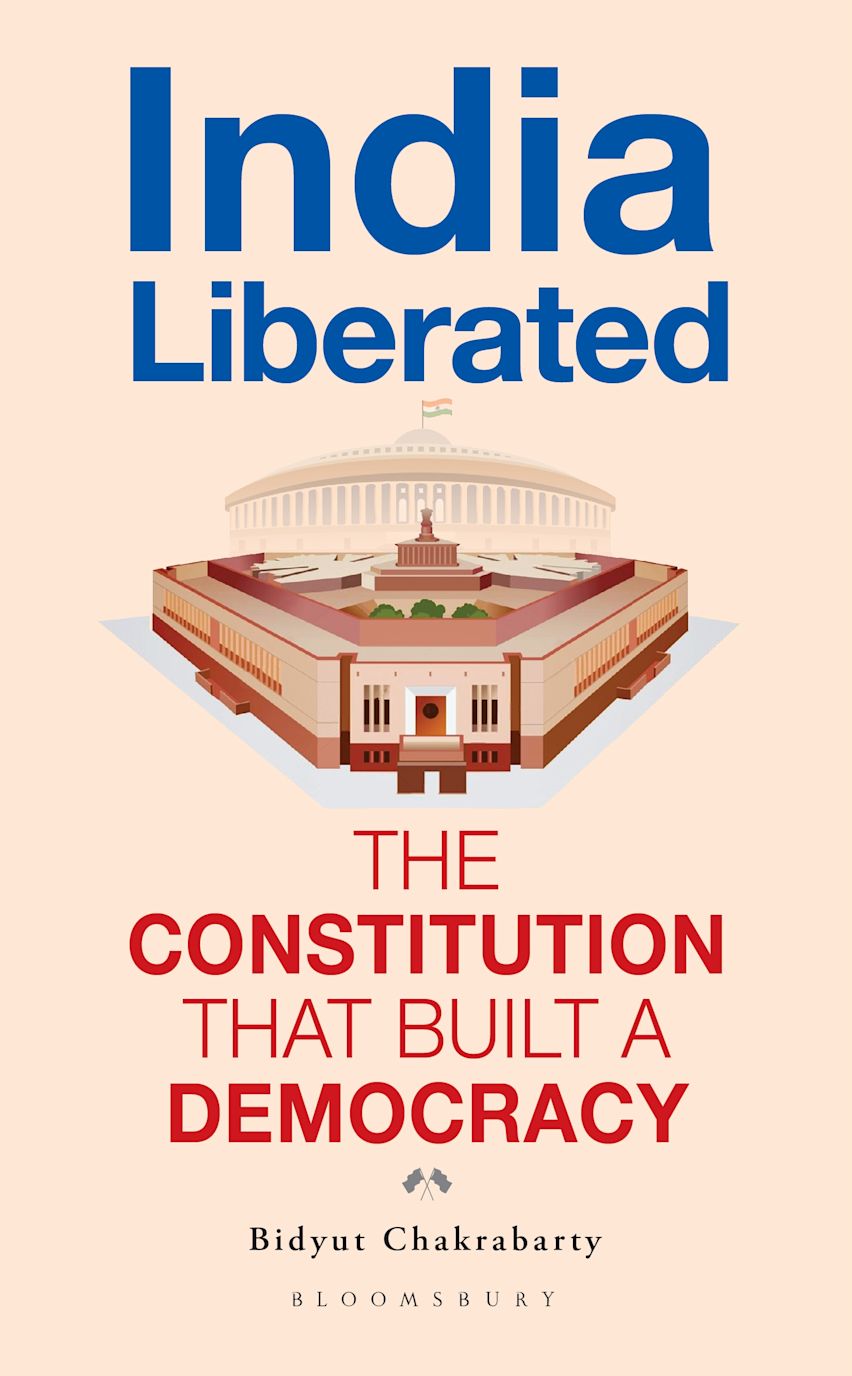
India Liberated
The Constitution That Built a Democracy
Description
India Liberated offers a clear and engaging introduction to India's Constitution, presenting it not as a fixed set of rules but as a document that has evolved alongside the nation. It traces how the Constitution, framed between 1946 and 1949, drew heavily on global ideas of democracy while also reflecting the concerns and priorities of its time.
One of the book's central themes is the tension between different visions of India's future. While leaders such as B. R. Ambedkar and Jawaharlal Nehru leaned towards a modern, liberal constitutional framework, Gandhian ideas like Village Swaraj did not receive the same attention in the Constituent Assembly. Yet these ideas were not lost. Their later revival through the 73rd and 74th Amendments, which strengthened local self-government, shows how the Constitution has remained open to change.
Avoiding technical jargon, the book explains how the Constitution works in practice-how it balances power, how the judiciary protects its basic principles, and how moments of crisis have tested its limits. The discussion of the 1975–77 Emergency, in particular, highlights how constitutional provisions can be stretched in difficult times, and how democratic systems respond.
By linking historical debates with contemporary developments, this book encourages readers to think more deeply about the Constitution and its role in everyday life. It is an insightful and accessible guide for anyone interested in how India's democracy has taken shape-and continues to evolve.
Table of Contents
Constitutionalizing India
1 The Preamble to the Constitution of India: Inculcation and reinforcement of an ideational vision
2 Fundamental Rights: Constitutional recognition of rights, authorities and responsibilities
3 Citizenship: Constitutional confirmation of identity
4 Directive principles of state policy: A constitutional design for realizing the espoused goals
5 Executive and legislature in India's constitutional set-up: Instruments for governance
6 The Judiciary: An increasingly important actor in constitutionalization
7 The basic structure doctrine: Judicial contribution to constitutionalization
8 Federalism in India: Layers of dissension and accommodation
9 Localizing governance in India: Constitutional empowerment of the hitherto peripheral actors
10 Emergency provisions: Shielding of constitutional democracy
11 Amendment procedures in the Constitution: A unique design for constitutionalization
12 Reservation: Addressing the age-old modes of oppression
13 Recapturing the journey of post-colonial India as a constitutional democracy
Conclusion
Notes
Bibliography
Index
About the Author
Product details
| Published | 07 Jul 2026 |
|---|---|
| Format | Paperback |
| Edition | 1st |
| Pages | 250 |
| ISBN | 9789369522743 |
| Imprint | Bloomsbury India |
| Dimensions | 216 x 135 mm |
| Publisher | Bloomsbury Publishing |

ONLINE RESOURCES
Bloomsbury Collections
This book is available on Bloomsbury Collections where your library has access.
Related Titles