Integration in Pentecostal Theological Education in South Africa
Elias Letwaba and Patmos Bible School
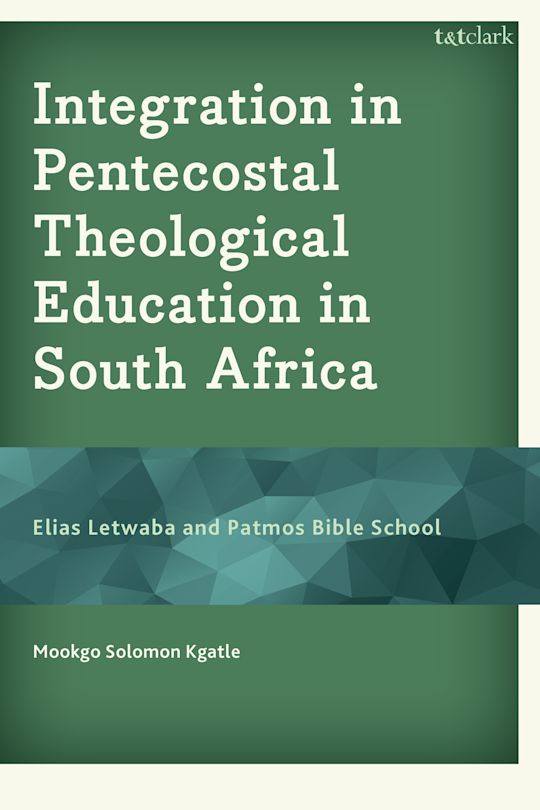

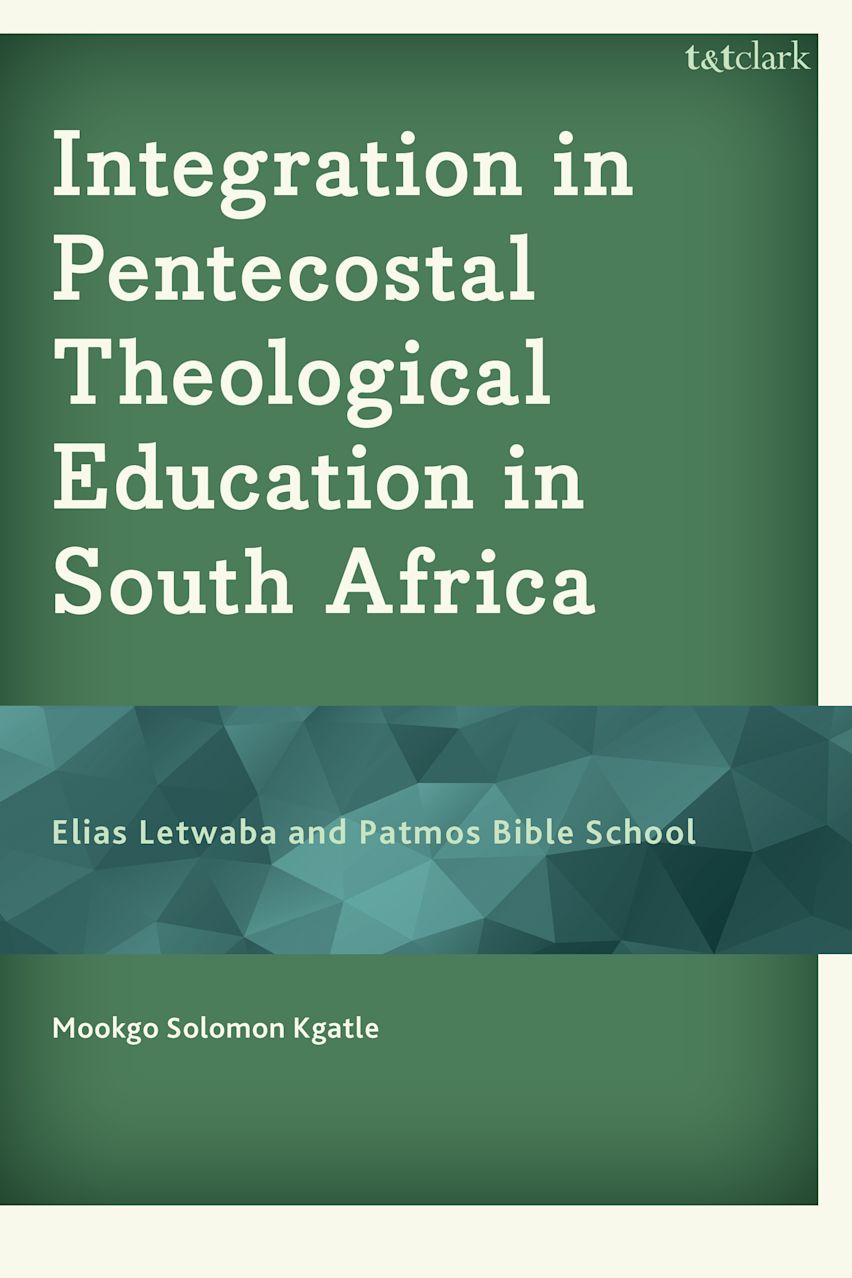
Integration in Pentecostal Theological Education in South Africa
Elias Letwaba and Patmos Bible School
Description
Using Elias Letwaba's (1870–1959) Patmos Bible School as a model, this book theorizes Pentecostal theological education and integration in a South African context.
Due to the continent's fraught colonial history, African theology often relies on Western ideologies and models of practice, many of which do not speak directly to the needs of African believers. Mookgo Solomon Kgatle remedies this disconnect, offering Letwaba as an alternative to these mismatched Western theologies. Across six chapters, Kgatle discusses the life and impact of Elias Letwaba, one of the first African gospel ministers in the Apostolic Faith Mission of South Africa and founder of the Patmos Bible School. Letwaba's theological approach towards integration and religious education, reflected in the Patmos Bible School, provides rich inspiration for contemporary, African Pentecostal ministers and educators. Working from this model, Kgatle formulates his own approach of integrated Pentecostal theological education. In doing so, he affirms that integration is an important step towards reckoning with the colonial and imperialist matrices of power rampant within South African theology and epistemology. This form of integration and theological education envisioned by Kgatle through Letwaba offers a remedy to these histories and shines a light upon the Pentecostalist movement in South Africa, which has largely been overlooked and underexplored.
Accessibility Information
Additional accessibility information
- PDF/UA-2, 1.4
- accessibility@bloomsbury.com
Hazards
The publication contains no hazards
Support for non-visual reading
Has alternative text descriptions for images
Navigation
- Page list to go to pages from the print source version
- Elements such as headings, tables, etc for structured navigation
- All or substantially all textual matter is arranged in a single logical reading order
Table of Contents
1: Conceptualising Integration in Theological Education
2: Contemporary Challenges of Integration in Pentecostal Theological Education
3: The Life and Pentecostal Ministry of Elias Letwaba
4: The Historical and Theological Developments of Patmos Bible School
5: The Principles of Integration in Patmos Bible School
6: Towards an Integrated Pentecostal Theological Education in the South African Context
Bibliography
Product details
| Published | 29 Oct 2026 |
|---|---|
| Format | Ebook (PDF) |
| Edition | 1st |
| Pages | 184 |
| ISBN | 9798216448082 |
| Imprint | T&T Clark |
| Publisher | Bloomsbury Publishing |

Reviews
Related Titles