
Description
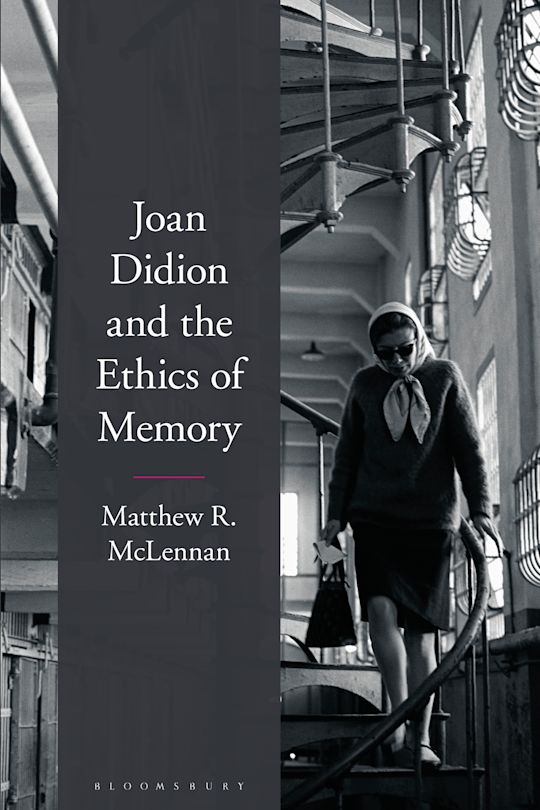
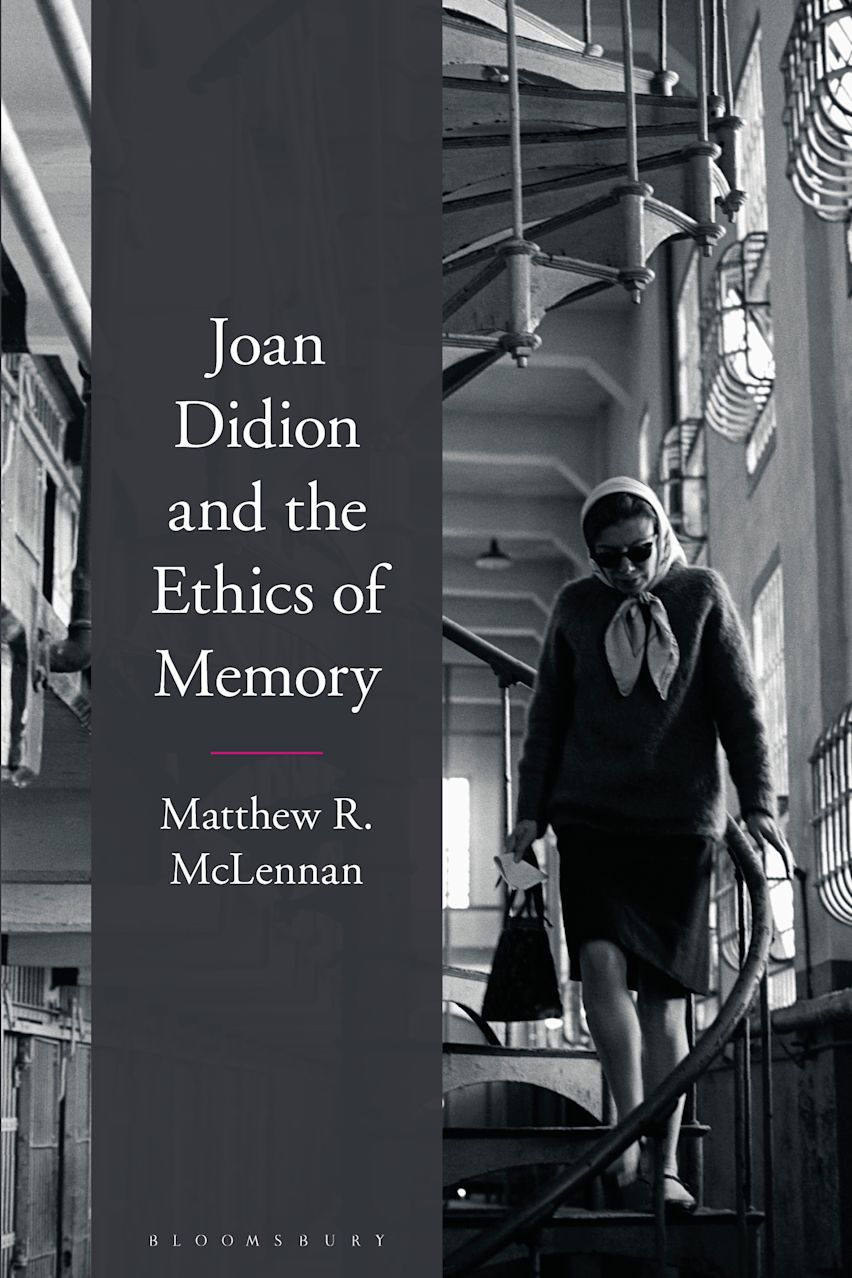
Looking at the breadth of Joan Didion's writing, from journalism, essays, fiction, memoir and screen plays, it may appear that there is no unifying thread, but Matthew R. McLennan argues that 'the ethics of memory' – the question of which norms should guide public and private remembrance – offers a promising vision of what is most characteristic and salient in Didion's works.
By framing her universe as indifferent and essentially precarious, McLennan demonstrates how this outlook guides Didion's reflections on key themes linked to memory: namely witnessing and grieving, nostalgia, and the paradoxically amnesiac qualities of our increasingly archived public life that she explored in famous texts like Slouching Towards Bethlehem, The Year of Magical Thinking and Salvador. McLennan moves beyond the interpretive value of such an approach and frames Didion as a serious, iconoclastic philosopher of time and memory.
Through her encounters with the past, the writer is shown to offer lessons for the future in an increasingly perilous and unsettled world.
Table of Contents
1. 'Earthquake Weather': Didion's Universe
2. Memories are what you no longer want to remember: Witnessing, Testifying, and Grieving
3. The Norm of Comprehensiveness: Nostalgia, Forgiveness, and Critical Fabulation
4. Political Memory and Memory as Politics: Critical Political Realism and Neoliberal Life Narrative
Conclusion: Joan Didion and the Future: Philosophical Unsettlement and the Right to be Forgotten
Notes
Bibliography
Product details

| Published | 07 Oct 2021 |
|---|---|
| Format | Ebook (PDF) |
| Edition | 1st |
| Pages | 208 |
| ISBN | 9781350149595 |
| Imprint | Bloomsbury Academic |
| Publisher | Bloomsbury Publishing |

Reviews

ONLINE RESOURCES
Bloomsbury Collections
This book is available on Bloomsbury Collections where your library has access.
Related Titles