
Description
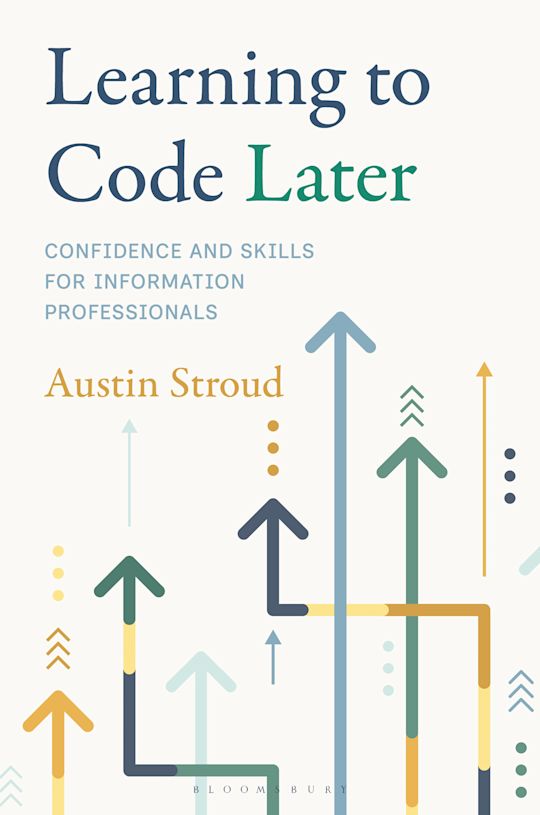
Addressing mindset, motivation, and myths, this book meets readers where they are to build a confidence-first approach before the first line of code.
Would your job be easier if you could automate tedious tasks, clean up messy data, or understand how digital systems really work? Learning to Code Later shows information professionals how to use simple, approachable programming techniques to do just that-without needing a computer science background.
Drawing from original research on technology instruction in MLIS programs and stories from late-start learners across libraries, this guide centers confidence, demystifies core concepts, and connects coding to real-world library tasks. Whether you are batch-renaming files, cleaning metadata, or dreaming bigger, you'll find encouragement and practical tools to start where you are-and grow where you want to be.
Accessibility Information
Additional accessibility information
- PDF/UA-2, 1.4
- accessibility@bloomsbury.com
Hazards
The publication contains no hazards
Support for non-visual reading
Has alternative text descriptions for images
Navigation
- Page list to go to pages from the print source version
- Elements such as headings, tables, etc for structured navigation
- All or substantially all textual matter is arranged in a single logical reading order
Table of Contents
Acknowledgements
Preface
1. Introduction: You Don't Need a Tech Background to Get Started
2. Why Programming? A Professional's Perspective
3. What's Really Holding Us Back: Fear, Assumptions, and Self-Doubt
4. Mindset and Motivation: Building Self-Efficacy
5. Tech Terms Demystified: What Even Is Code?
6. Gentle Beginnings: High-Level Programming Languages, Logic, and Tools for LIS Professionals
7. AI and Coding: Working Smarter with New Tools
8. Small Wins: Simple Projects with Big Payoffs
9. Learning On Your Own (and Not Alone): Resources and Support Networks
10. The Workplace: Advocating for Time, Training, and Confidence
11. What Comes Next? Building a Sustainable Learning Plan
12. Conclusion: Returning to the Beginning
Appendices
Appendix A: Glossary of Common Python Programming Terms
Appendix B: Starter Code Templates (Conceptual)
Appendix C: AI Prompt Examples for Learning Support
Appendix D: Curated Learning Resources
Appendix E: Learning Worksheets
Appendix F: Quick Reference Guides
Appendix G: Building Your Personal Toolkit
Index
About the Author
Product details
| Published | 15 Apr 2027 |
|---|---|
| Format | Ebook (PDF) |
| Edition | 1st |
| Pages | 176 |
| ISBN | 9798216397281 |
| Imprint | Bloomsbury Libraries Unlimited |
| Illustrations | 12 bw illus |
| Publisher | Bloomsbury Publishing |
Reviews
Related Titles