Linguanomics
What is the Market Potential of Multilingualism?
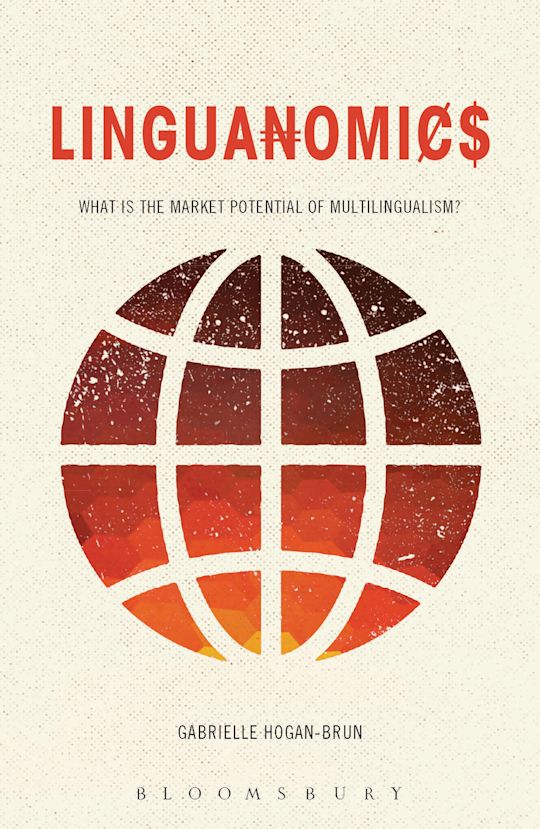

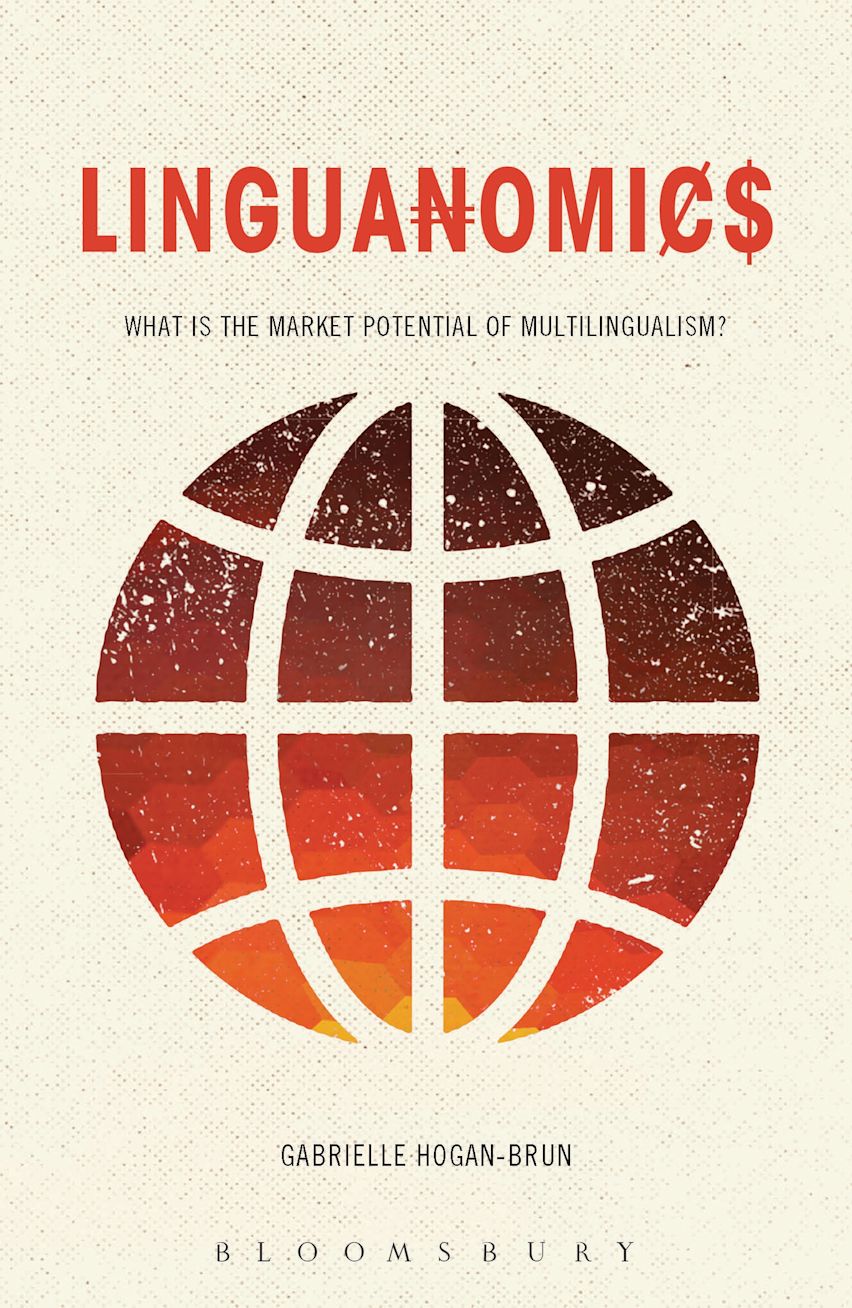
Linguanomics
What is the Market Potential of Multilingualism?
Description
Globalization, the Internet and an era of mass travel have combined to produce a world with a language mix on a huge scale. Linguanomics explains this multilingualism in a material, economic and cultural sense.
What is the effect of this multilingualism on society, organizations and individuals? What are the economic benefits and drawbacks? Should we invest in language skills? Should there be interventionist policies, and if so, at what level? Should there be a global lingua mundi? The debate surrounding multilingualism is often clouded by emotion and misconception. With an analysis devoid of rhetoric, Gabrielle Hogan-Brun takes an objective look at this charged area.
The result is Linguanomics: a major step towards a clearer understanding of the market potential of multilingualism, its benefits, costs and points of contention. Asking significant questions of profound concern to the future of global collaboration, Linguanomics is an essential guide to students, teachers, policy makers and politicians and anyone who cares about the role of language in the modern world.
Table of Contents
Setting the Scene
1. Trading across cultures: Then and now
Early trade and transportation
Markets and communication
Territory, entrepreneurship, production
Demand, supply, resources
2. Economic aspects of languages today
Calculating language choices
An economics perspective
Modelling multilingualism
Balancing language choices
Language diversity economics
3. Managing multilingualism
Lessons from failures
Bridging across languages
Investing in human capital
Harnessing mobile resources
4. Is learning another language worth it?
Market incentives
Language beliefs
Language choices
Employment prospects
5. Languages in the marketplace
Multilingual workplace practices
Language services markets
Language teaching industry
Heritage and language tourism
New languages, new markets
Afterword
Notes
Glossary
References
Index
Product details

| Published | 09 Feb 2017 |
|---|---|
| Format | Ebook (PDF) |
| Edition | 1st |
| Pages | 184 |
| ISBN | 9781474238335 |
| Imprint | Bloomsbury Academic |
| Publisher | Bloomsbury Publishing |
Reviews

ONLINE RESOURCES
Bloomsbury Collections
This book is available on Bloomsbury Collections where your library has access.
Related Titles