
Description
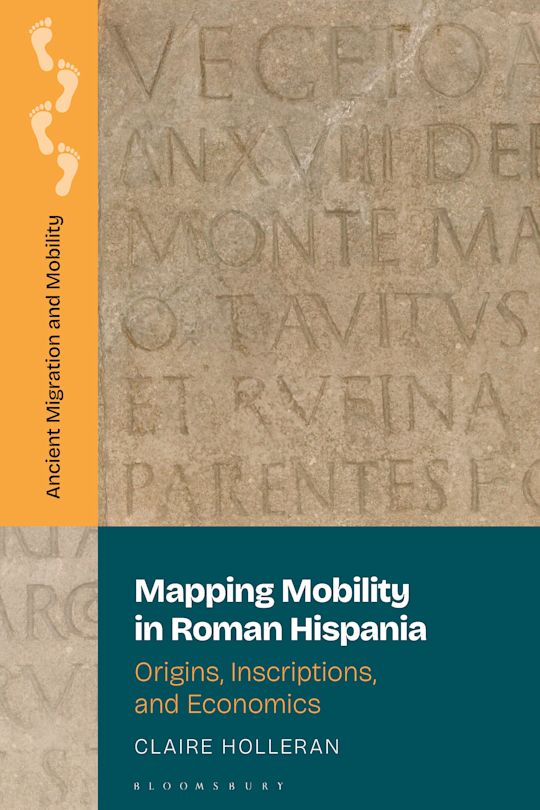
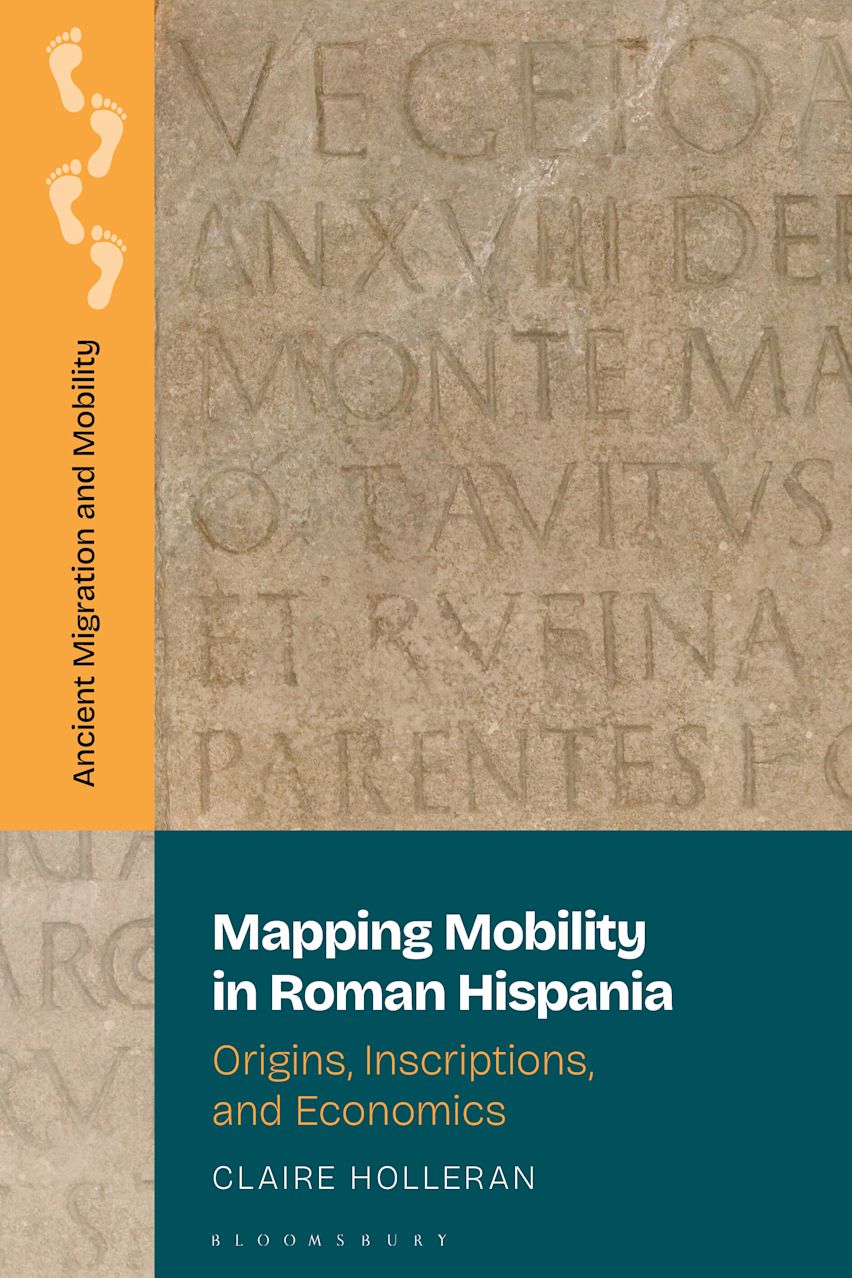
Exploring the dynamics of human migration and mobility in Roman Hispania (currently known as the Iberian Peninsula) during the Imperial period, this book examines an extensive data set of inscriptions – predominantly funerary epitaphs – from the first and second centuries CE. These inscriptions indicate the movement of over 500 individuals across the three provinces of Baetica, Lusitania, and Tarraconensis. Each inscription is closely analysed in order to discover who moved, where, when, and why.
More specifically, the study considers the extent of population movement and the age, gender, and legal status of those who moved. Human mobility was not a marginal practice, and nor was it confined to men, soldiers, administrators, or the enslaved, as often assumed – it was a much broader phenomenon encompassing free civilian men, women, children, and families. In turn, this examination brings to the foreground patterns of mobility and the organisation of movement, which reveals the possibility of chain migration, group movement, and the potential role of associations and labour contractors. One of the primary motivations for movement is economic, and labour mobility can be seen in several case studies connected to specific cities, as well as industries such as mining. Alongside the inscriptions, a range of archaeological, material, and literary evidence is analysed together with carefully selected historical examples and comparative studies. As a result, this book reveals a world in which human mobility was a normal and structural part of society.
Accessibility Information
Additional accessibility information
- EPUB 3.0
- Conforms with the requirements of EPUB Accessibility Spec v1.1
- WCAG level AA
- WCAG v2.2 compliant
- accessibility@bloomsbury.com
Hazards
The publication contains no hazards
Support for non-visual reading
- No accessibility features offered by the reading system, device or reading software are disabled or otherwise unusable with the product
- Has alternative text descriptions for images
Visual adjustments
Appearance of the text and page layout can be modified according to the capabilities of the reading system (font family and size, spaces, as well as color of background and text)
Navigation
- Page list to go to pages from the print source version
- Elements such as headings, tables, etc for structured navigation
- All or substantially all textual matter is arranged in a single logical reading order
- Content is enhanced with ARIA roles to optimize organization and facilitate navigation
- Purposes of all links are made clear
Rich content
Language tagging provided
Table of Contents
Introduction: Ancient Migration Studies
Chapter 1. Writing History from Inscriptions
Chapter 2. Origins c. 12,000
Chapter 3. Men, Military, and Administration
Chapter 4. Female and Family Migration
Chapter 5. Organisation and Motivation
Chapter 6. Patterns of movement
Conclusion: Migration in Roman Hispania
Notes
Bibliography
Index
Product details

| Published | 04 Feb 2027 |
|---|---|
| Format | Ebook (Epub & Mobi) |
| Edition | 1st |
| Pages | 240 |
| ISBN | 9781350537293 |
| Imprint | Bloomsbury Academic |
| Illustrations | 60 bw illus |
| Series | Ancient Migration and Mobility |
| Publisher | Bloomsbury Publishing |
Related Titles