Mary Shelley Today
Frankenstein in the Twenty-First Century
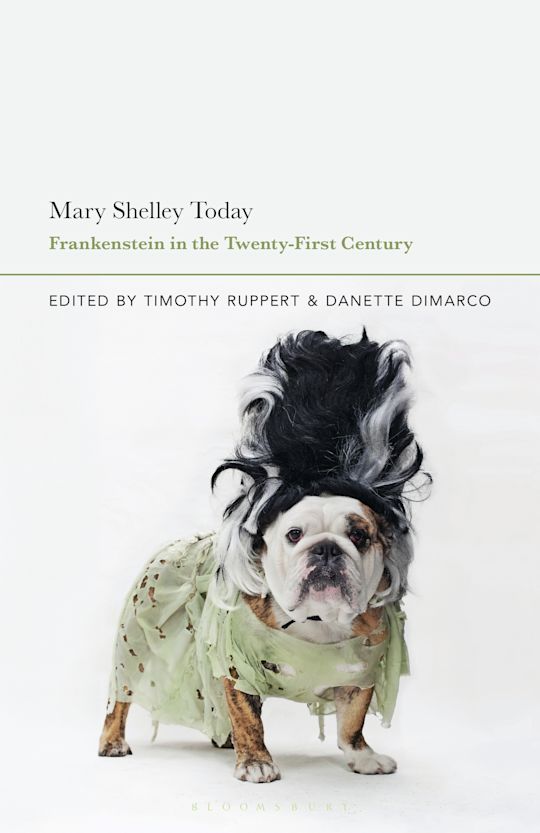

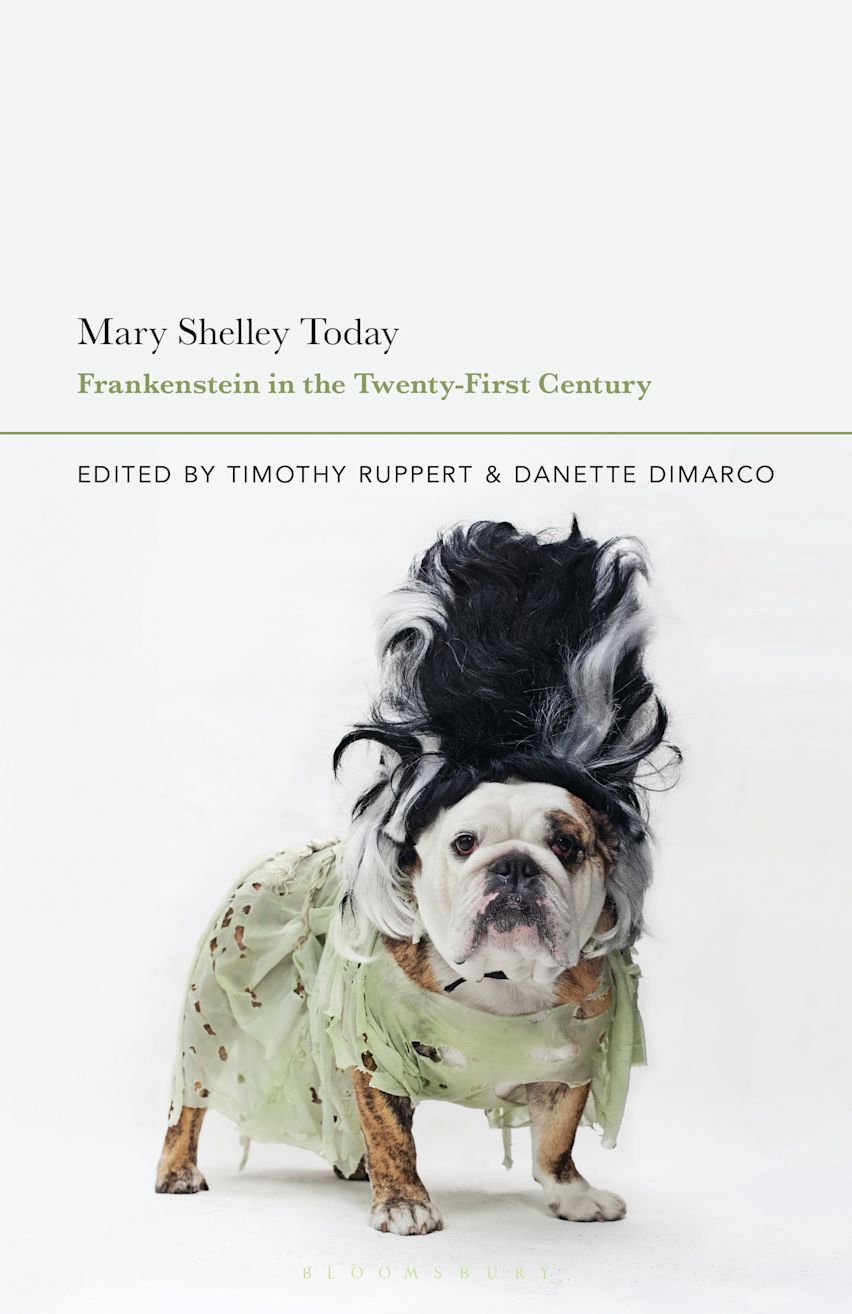
Mary Shelley Today
Frankenstein in the Twenty-First Century
Description
Mary Shelley Today reevaluates the influence of Mary Shelley and her seminal work Frankenstein on literature and imaginative work of the last quarter century.
In this collection, contributors assess media across literature, film, and television that engage either directly or indirectly with Shelley as a historical figure, an author, and an intellectual. Across twelve chapters, contributors also discuss the ways in which authors of the last quarter century understand and reimagine Shelley's narratives, themes, and perspectives with particular focus on Shelley's depiction of isolation, dehumanization, and monstrosity.
Accessibility Information
Additional accessibility information
- EPUB 3.0
- Conforms with the requirements of EPUB Accessibility Spec v1.1
- WCAG level AA
- WCAG v2.2 compliant
- accessibility@bloomsbury.com
Hazards
The publication contains no hazards
Support for non-visual reading
- No accessibility features offered by the reading system, device or reading software are disabled or otherwise unusable with the product
- Has alternative text descriptions for images
Visual adjustments
Appearance of the text and page layout can be modified according to the capabilities of the reading system (font family and size, spaces, as well as color of background and text)
Navigation
- Page list to go to pages from the print source version
- Elements such as headings, tables, etc for structured navigation
- All or substantially all textual matter is arranged in a single logical reading order
- Content is enhanced with ARIA roles to optimize organization and facilitate navigation
- Purposes of all links are made clear
Rich content
Language tagging provided
Table of Contents
Acknowledgements
Introduction
Timothy Ruppert and Danette DiMarco (Slippery Rock University, USA)
Section I: Page Adaptations
1. Mary Shelley as Prime Suspect in Peter Lovesey's The Vault
Timothy Ruppert (Slippery Rock University, USA)
2. Weird Girls and Impossible Women?: Mary Shelley's Literary Legacy in Early Twenty-First-Century Texts for Children and Youth
Michelle Beissel Heath (University of Nebraska at Kearney, USA)
3. Replication, Reproduction: Monstrous Bodies and Textualities in Louisa Hall's Experimental Fiction
Susan Kollin (Montana State University Bozeman, USA)
4. The Undeath of the Author: Adaptation as Resurrection through Jeanette Winterson's Frankissstein
Abigail Langmead (Trinity College Dublin, Ireland)
5. If Only Frankenstein Were Feminist: Analyzing Kiersten White's The Dark Descent of Elizabeth Frankenstein Within the #MeToo Movement
Lindsey Carman Williams (Columbia College, USA)
6. Ken Liu's Meaningful Machine and “The Texture of a Good Story”
Bethany Williamson (Biola University, USA)
Section II: “Staged” Adaptations
7. The Creature Gets His Wish: The Planet of the Apes Twenty-First-Century Reboot as a Reimagination of Frankenstein
Julia García (Western University, UK)
8. Motherhood, Creation, and Desire in Frankenstein and The Substance
Addie Tsai (William & Mary University, USA)
9. Frankenstein in Turkey: Çagan Irmak's Creature
Mónica Gruber (University of Buenos Aires. Argentina)
10. Controlling the Monster: Staging Determinism and the Loss of Free Will in Nick Lane's Frankenstein
Diganta Roy (Falakata College, India)
11. It's Alive! The Frankenstein Ballet Leaps from Page to Stage
Ellen Peel (San Francisco State University, USA)
Section III: Critical Adaptation
12. Bringing the Creature Full Term in Mary Shelley's Frankenstein
Nancy A. Barta-Smith (Slippery Rock University, USA)
Afterword
Timothy Ruppert (Slippery Rock University, USA)
Product details

| Published | 12 Nov 2026 |
|---|---|
| Format | Ebook (Epub & Mobi) |
| Edition | 1st |
| Pages | 240 |
| ISBN | 9798216368649 |
| Imprint | Bloomsbury Academic |
| Illustrations | 3 b/w illus |
| Publisher | Bloomsbury Publishing |
Reviews
Related Titles