The Power of Opposition
Legislative Effectiveness in Mexico's Multiparty Democracy
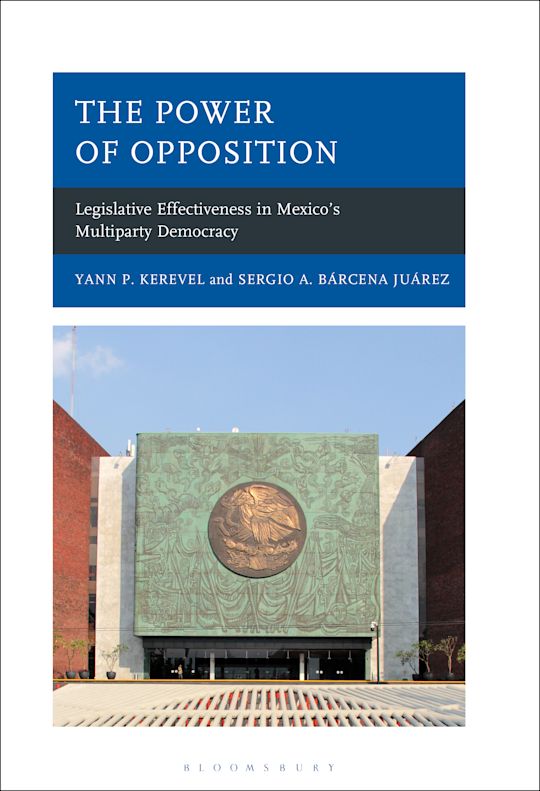

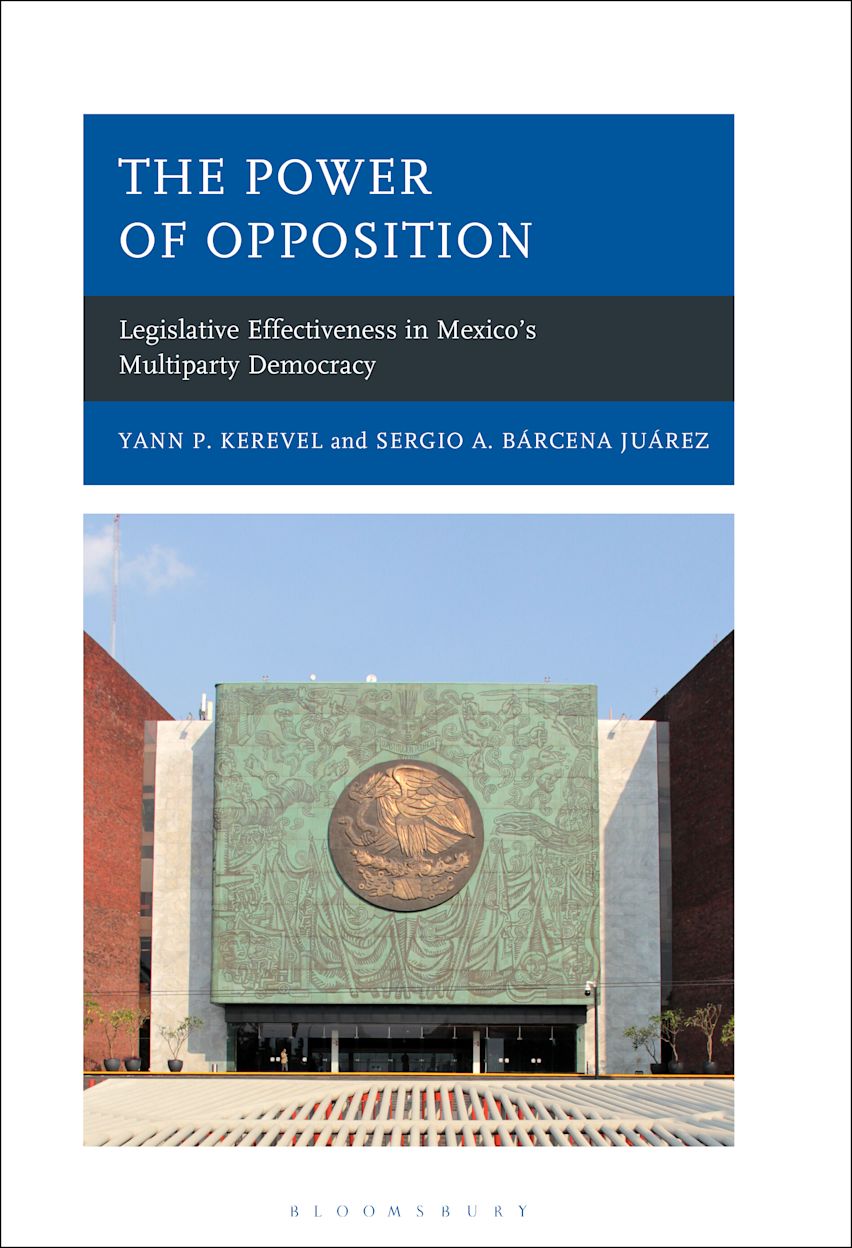
The Power of Opposition
Legislative Effectiveness in Mexico's Multiparty Democracy
Description
The Power of Opposition: Legislative Effectiveness in Mexico's Multiparty Democracy develops a theory of legislative effectiveness in presidential systems where it is rare for presidents to control a majority of seats in the legislature. Legislators belonging to the president's party are often constrained in their behavior as the executive branch has an overarching interest in ensuring copartisan legislative proposals fit within the president's agenda. Executive bills often require bargains with the opposition to secure votes, and legislators from the president's party may find their bills coopted by the president, or blocked if they conflict with presidential priorities. As a result, legislators from governing parties are generally less effective when it comes to their own initiatives. Presidents allow the opposition to push their own priorities through the legislative process, or provide credit-claiming opportunities on major presidential initiatives. Since opposition legislators can exchange votes on executive bills for presidential support on opposition-led initiatives, they are generally more effective at navigating their own proposals through the legislative process. Yann P. Kerevel and Sergio A. Bárcena Juárez demonstrate support for this argument drawing on extensive quantitative data from Mexico's Chamber of Deputies from 1997-2024, and interviews with numerous lawmakers and staffers.
Accessibility Information
Additional accessibility information
- PDF/UA-2, 1.4
- accessibility@bloomsbury.com
Hazards
The publication contains no hazards
Support for non-visual reading
Has alternative text descriptions for images
Navigation
- Page list to go to pages from the print source version
- Elements such as headings, tables, etc for structured navigation
- All or substantially all textual matter is arranged in a single logical reading order
Table of Contents
Chapter 1: A Theory of Legislative Effective in Multi-Party Presidential Systems
Chapter 2: Measuring Legislative Effectiveness
2.1 Appendix: Creation of the Significance Index
Chapter 3: Executive-Legislative Relations and Lawmaking
Chapter 4: The Role of Parties in Committees
Chapter 5: Legislative Organization and Legislative Effectiveness
Chapter 6: Experience and Legislative Effectiveness
Conclusion: Legislative Effectiveness in Comparative Perspective
Product details

| Published | 12 Nov 2026 |
|---|---|
| Format | Ebook (PDF) |
| Edition | 1st |
| Pages | 200 |
| ISBN | 9798216264293 |
| Imprint | Bloomsbury Academic |
| Illustrations | 30 tables and figures (b/w) |
| Publisher | Bloomsbury Publishing |


Reviews
Related Titles