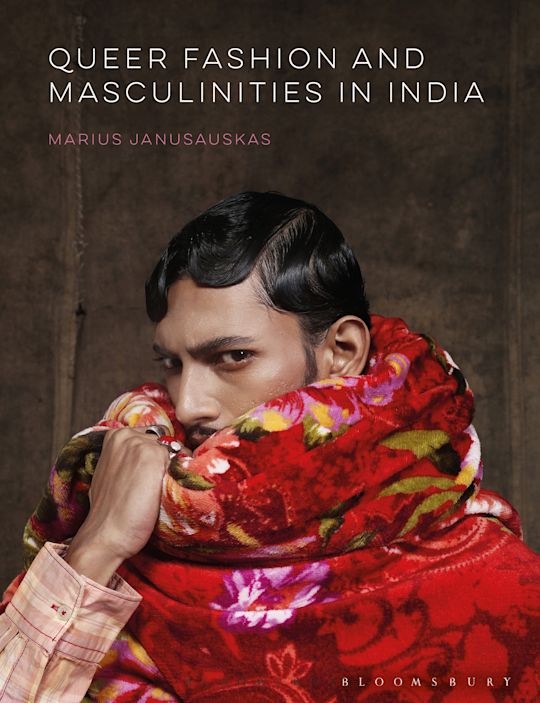

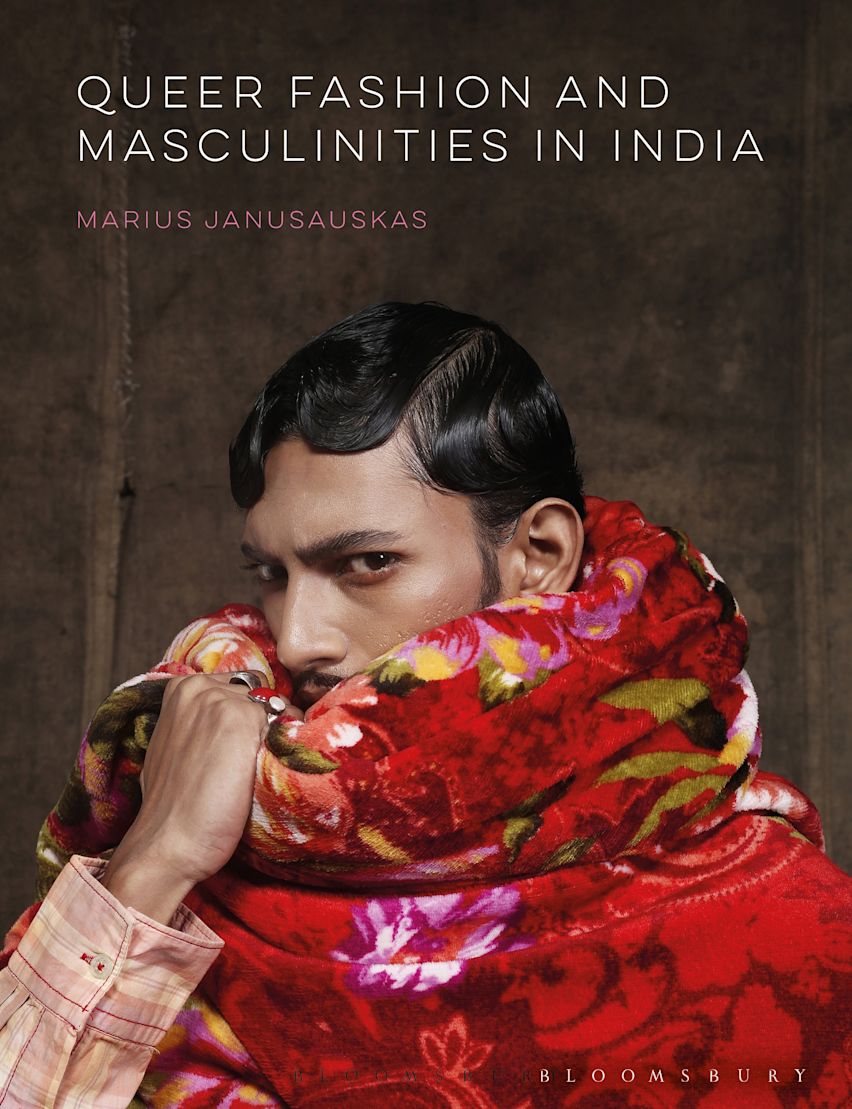
Queer Fashion and Masculinities in India
Description
This visually rich field-based study is brought to vivid life through more than 40 original photographs, offering rare insight into contemporary queer dress practices and masculinities in India and developing two innovative methodologies for studying queer fashion and identity.
Paying particular attention to queer subjectivities and masculinities – including kothi and hijra communities, masculine-presenting panthi men, and emergent elite 'neo-royal' queer identities – Janusauskas traces how different modes of queer embodiment challenge and rework dominant cultural expectations. The book situates these practices within the wider socio-political landscape of India, showing how caste, class, gender norms, nationalism, and neoliberal fashion media intersect to enable and constrain queer expression.
At its core is a compelling reconceptualization of fashion not simply as an object of study but as an embodied practice and a research method in its own right. Through collaborative photographic practice with a diverse group of creatives and models, the author develops a distinctive 'patchwork ethnography' that weaves together visual production, sensory experience, and critical analysis. Four specially commissioned photo series – produced in Hyderabad, Kolkata, Delhi, and Mumbai – draw readers into intimate contact with diverse queer communities, illuminating the sensory and affective dimensions of clothing, styling, and image-making as vital tools for everyday negotiations of identity, visibility, and belonging.
Bridging scholarship and aesthetic practice, the study foregrounds curatorial and photographic work as sites of intervention, demonstrating how visual strategies can operate as forms of resistance and care. For readers across fashion studies, visual culture, anthropology, and gender studies, this is both a richly documented empirical study and a generative model for decolonizing interdisciplinary research.
Accessibility Information
Additional accessibility information
- PDF/UA-2, 1.4
- accessibility@bloomsbury.com
Hazards
The publication contains no hazards
Support for non-visual reading
Has alternative text descriptions for images
Navigation
- Page list to go to pages from the print source version
- Elements such as headings, tables, etc for structured navigation
- All or substantially all textual matter is arranged in a single logical reading order
Table of Contents
Preface
Acknowledgements
Introduction
Theoretical and Methodological Framework
Tracing Masculinities through Queer Aesthetic Practices
Structure of the Book
Part I: Queer Visibility
1. Queer Colonial Optics
2. Queer Aesthetic Pleasures in Fashion
3. Visuality and Visibility
4. Structuring Visual Experience
Part II: Queer Embodiment in Indian Fashion
5. Queer Patchwork in Fashion Ethnography
6. Between the Lines: Queer Masculinities and Styles
7. Feminine Men: On the Kothi Identity
8. Thirdness and Gender-Nonconformity in India
9. Queer Masculine Men in Indian Fashion
10. Neo-Royal Queer Masculinity in India
Conclusions
Part III: Curatorial Activism in Fashion Photography and Exhibition
11. Photography as a Method for Qualitative Research
12. Framing Queer Identity in Photography
13. Decolonizing Visual Narratives
14. Fashion in Focus: A Study Across Settings
15. Fashioning Masculinities in India: Queering Exhibition Space
Concluding Reflections
References
Index
Product details
| Published | 07 Jan 2027 |
|---|---|
| Format | Ebook (PDF) |
| Edition | 1st |
| Pages | 256 |
| ISBN | 9781350584006 |
| Imprint | Bloomsbury Visual Arts |
| Illustrations | 40 colour & 9 bw illus |
| Publisher | Bloomsbury Publishing |
Related Titles