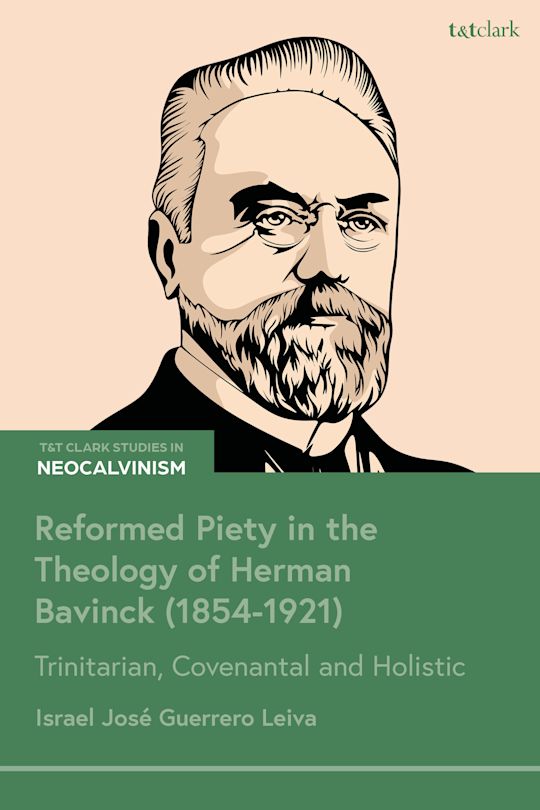
Reformed Piety in the Theology of Herman Bavinck (1854-1921)
Trinitarian, Covenantal and Holistic

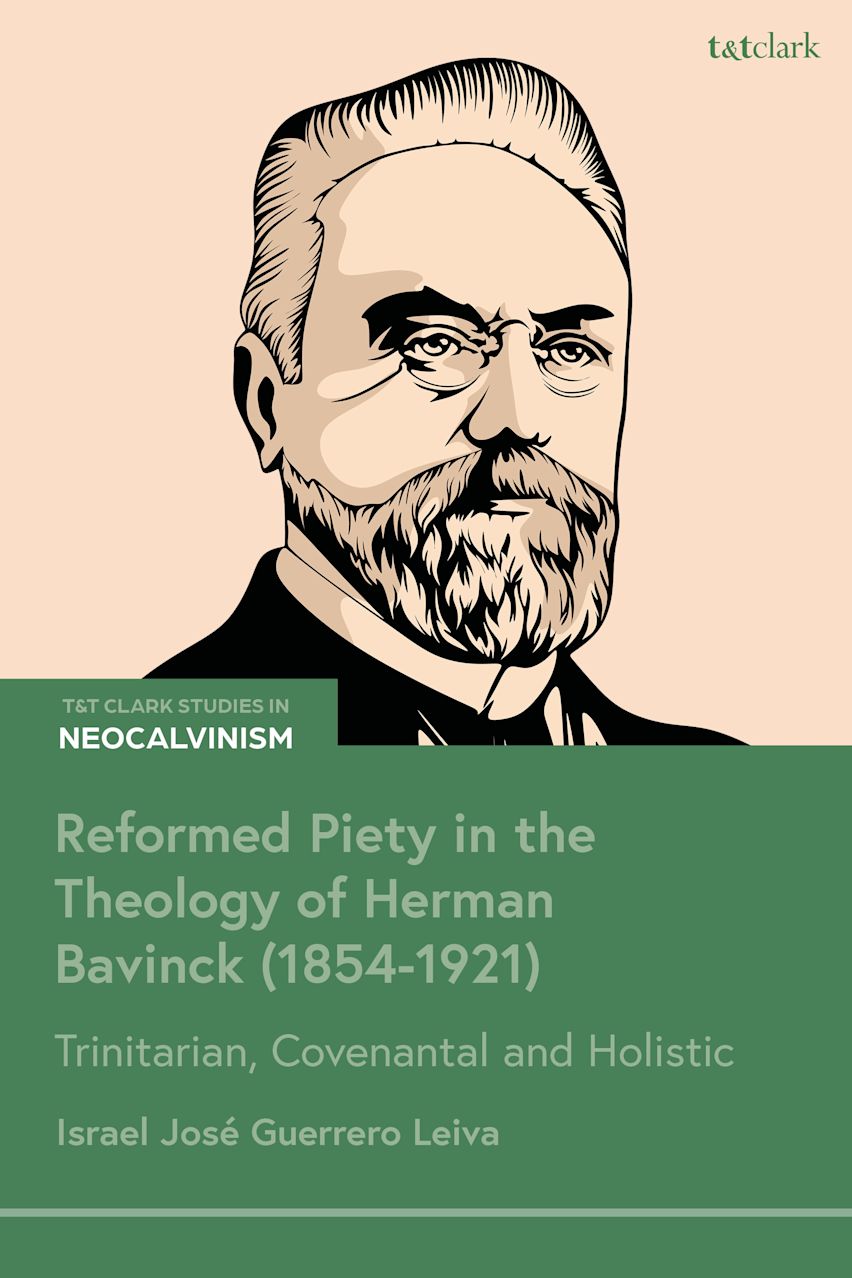
Reformed Piety in the Theology of Herman Bavinck (1854-1921)
Trinitarian, Covenantal and Holistic
Description
This work uses historical and theological approaches to address a critical aspect of neo-Calvinism and studies focused on Herman Bavinck. Guerrero highlights the relevance of how an experiential fellowship with God helps to understand the holistic approach of Bavinck's neo-Calvinism. Despite the considerable growth of research on Bavinck's theology in recent years, there has yet to be a detailed investigation of the place of piety in Bavinck's neo-Calvinism. This erudite work fills that gap in Bavinck's studies, prompted by the reality that piety has been a significant element of the Reformed tradition from its earliest stages.
For Bavinck, every human being has a feeling of divinity that is previous to all rational proof of God. However, humans need more than a general feeling of absolute dependence on God; they need a saving communion with the triune God revealed in the Scripture. Bavinck's retrieval, and contextualization of Reformed piety can be helpful both for further scholarly understanding of Bavinck's neo-Calvinism project, and for contemporary projects based on neo-Calvinistic ideas.
Accessibility Information
Additional accessibility information
- PDF/UA-2, 1.4
- accessibility@bloomsbury.com
Hazards
The publication contains no hazards
Support for non-visual reading
Has alternative text descriptions for images
Navigation
- Page list to go to pages from the print source version
- Elements such as headings, tables, etc for structured navigation
- All or substantially all textual matter is arranged in a single logical reading order
Table of Contents
1. The essence of Herman Bavinck's Reformed piety
2. The practice and chief end of Bavinck's Reformed piety
3. The practice of piety towards God or cultus Dei
4. Reformed orthodoxy and theological training as a means to promote the practice of piety
Conclusion
Product details
| Published | 18 Feb 2027 |
|---|---|
| Format | Ebook (PDF) |
| Edition | 1st |
| Pages | 240 |
| ISBN | 9780567722812 |
| Imprint | T&T Clark |
| Series | T&T Clark Studies in Neo-Calvinism |
| Publisher | Bloomsbury Publishing |
Reviews
Related Titles