
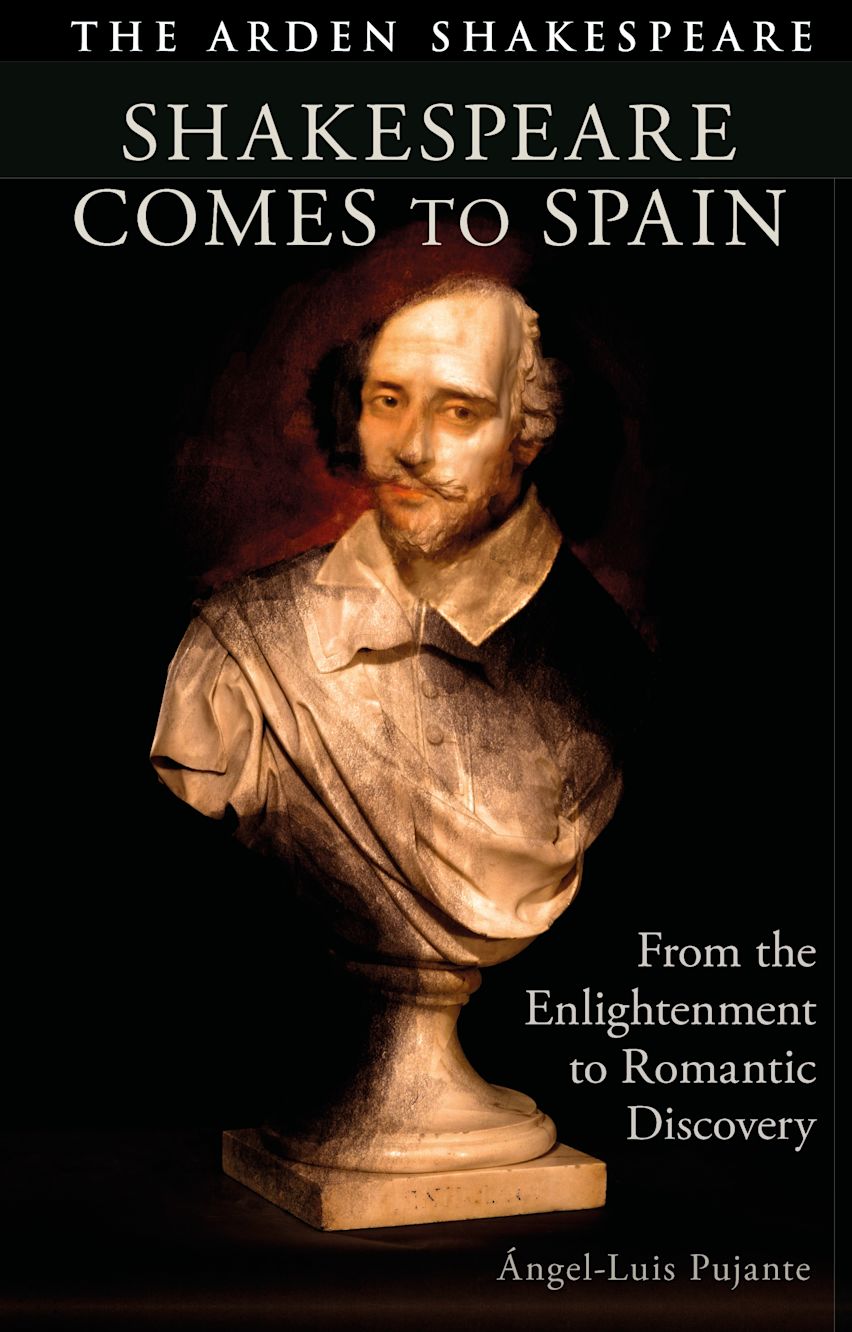
Description
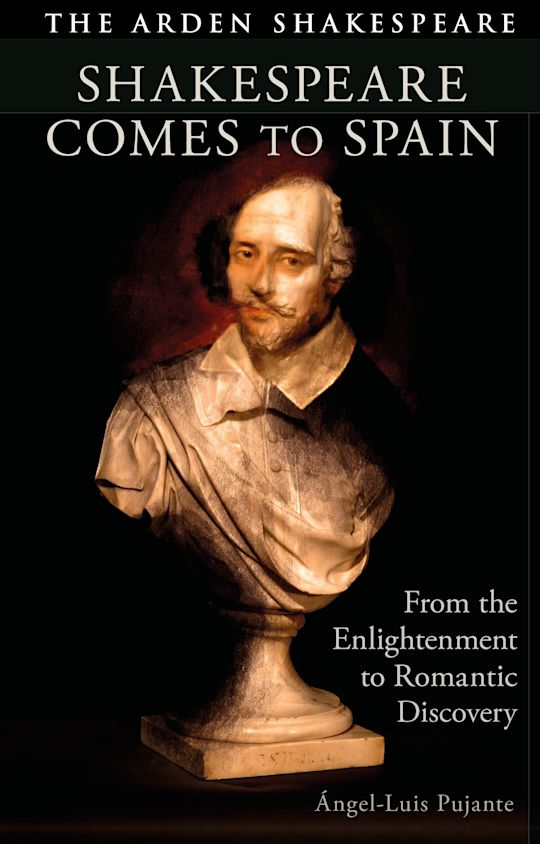
Charting the vicissitudes of Shakespeare's reception in Spain from the Age of the Enlightenment to Romanticism, this volume provides a vivid account of factors which contributed to the initial resistance to his works and their later acceptance.
Shakespeare came to Spain via France in the eighteenth century as the monster created by Voltaire, bringing with him the neoclassical controversy about his qualities and defects. Judged by the classicist poetics of the rules, critics found in his dramas many more vices than virtues. But as the influence of the pre-romantics and romantics spread throughout Western Europe it resulted in a reappraisal and to the view that Shakespeare's numerous merits redeemed his possible flaws. The recognition of his singularity made the neoclassical debate about him which had so divided critics ultimately irrelevant.
This book surveys the landmarks of Shakespeare's early reception in Spain and the factors that played a role in his recognition and discovery. First, the tendency to view him as the archetypal author of whatever versions of his plays were being staged: e.g., a neoclassical adaptation of Othello alternated with Rossini's opera Otello for over twenty years from the 1820s, while Alexandre Duval's comedy Shakespeare in love presented him as a jealous Shakespeare writing Othello. Secondly, the influence of moderate classicists like Hugh Blair favouring Shakespeare and the gradual acceptance of 'historical Romanticism' as set forth by A.W. Schlegel: according to him plays like Shakespeare's were the result of the cultural needs of his country and times, and should not be judged by classicist rules. Thirdly, the conversion from Classicism to Romanticism and the discovery of Shakespeare by the Spanish liberals exiled in England (1823-1833), particularly in the case of the previously self-exiled Blanco White, who assimilated Schlegel's and Coleridge's aesthetic principles and applied them to Shakespeare.
Accessibility Information
Additional accessibility information
- PDF/UA-2, 1.4
- accessibility@bloomsbury.com
Hazards
The publication contains no hazards
Support for non-visual reading
Has alternative text descriptions for images
Navigation
- Page list to go to pages from the print source version
- Elements such as headings, tables, etc for structured navigation
- All or substantially all textual matter is arranged in a single logical reading order
Table of Contents
Introduction
1. Nifo and Voltaire on Shakespeare. The view of the English
2. Hamleto and French neoclassical Hamlet. Other Hamlets
3. The exiled Jesuits against Shakespeare. The influence of Voltaire
4. Moratín's translation of Hamlet. Early and later reactions
5. Shakespeare in Hugh Blair's Lectures. A contrastive viewpoint for Spaniards
6. Othello and 'Othellomania'. The contribution of the related plays
7. Macbet, Macbé, Macbeth. The three neoclassical versions
8. The arrival of the Romeos. The German and French sources
9. Mora, Böhl von Faber, Schlegel. Shakespeare in the debate of Classicism vs. Romanticism
10. The liberal exiles in England (1). Their discovery of Shakespeare
11. The liberal exiles in England (2). The case of Blanco White
12. Los hijos de Eduardo and Richard III. The 'juste milieu' and romantic drama
13. Macbeth, 1838. The stage frustration of an 'authentic' Shakespeare
Conclusion. Classicism, eclecticism and the full acceptance of Shakespeare
References
Index
Product details

| Published | 21 Jan 2027 |
|---|---|
| Format | Ebook (PDF) |
| Edition | 1st |
| Pages | 240 |
| ISBN | 9781350576070 |
| Imprint | The Arden Shakespeare |
| Publisher | Bloomsbury Publishing |
Related Titles