
Description
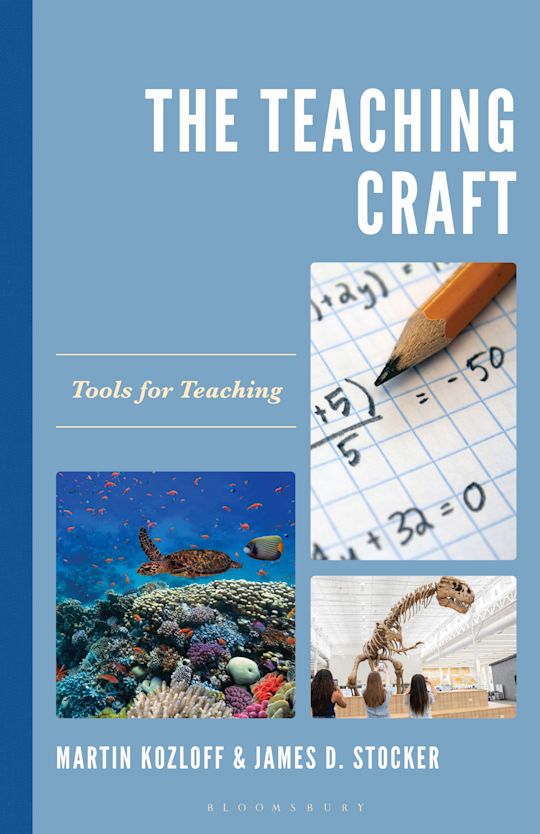
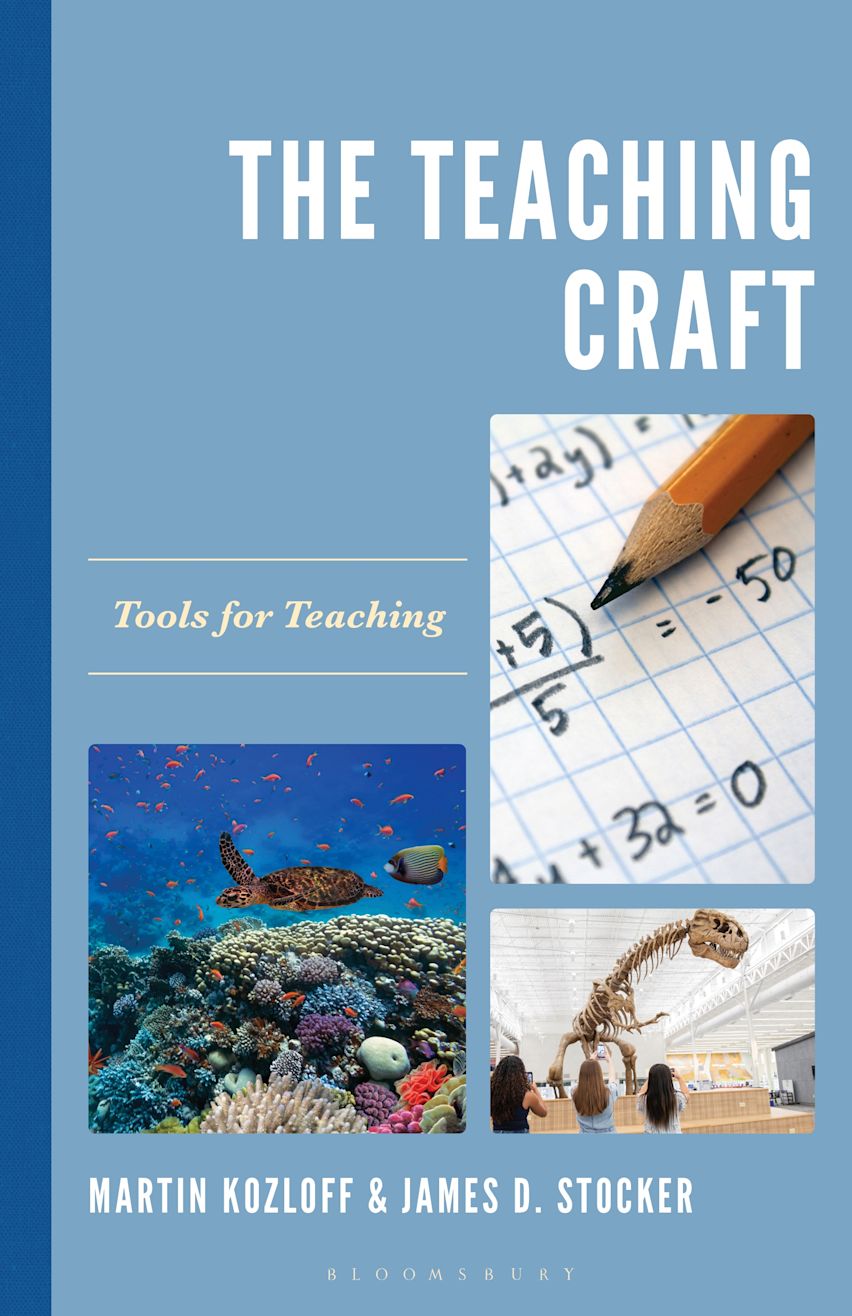
This book delivers practical, classroom-ready tools that strengthen instruction and directly boost student engagement and achievement. It shows how to teach concepts, facts, rules, and routines clearly and systematically-from cause-and-effect relationships to decoding, math problem solving, scientific processes, and productive learning behaviors such as attention and persistence.
You'll find step-by-step methods for organizing curriculum into coherent, connected units; designing lessons that move students from new learning to generalization, fluency, integration, and long-term retention; and establishing strong “learning readiness” at the start of every lesson. The book provides concrete scaffolds-Model–Lead–Test/check sequences, guided notes, worked examples, and structured practice-and demonstrates how to combine explicit instruction with inquiry in clear, 5-part lesson designs that make rigorous content accessible to all learners.
Accessibility Information
Additional accessibility information
- PDF/UA-2, 1.4
- accessibility@bloomsbury.com
Hazards
The publication contains no hazards
Support for non-visual reading
Has alternative text descriptions for images
Navigation
- Page list to go to pages from the print source version
- Elements such as headings, tables, etc for structured navigation
- All or substantially all textual matter is arranged in a single logical reading order
Table of Contents
Chapter 2: Organizing Content Knowledge (Literature, History, Science, Social Studies) into Coherent and Meaningful Curricula
Chapter 3 Special Considerations for Teaching Tool Skill Knowledge (Reading, Math, Language, Computers)
Chapter 4: Using Cues and Reinforcement to Improve Classroom Behavior, Tool Skills, and Content Knowledge
Chapter 5: The Model (I do)-Lead (We do)-Test/Check (You do)-Verification Instructional Format
Chapter 6: Deepening Student Knowledge and Fostering Critical Thinking with Socratic Questioning
Chapter 7: Scaffolding Instruction with Add-Ons
Chapter 8: How to Prevent and Correct Errors
Chapter 9: Learning Readiness Skills
Chapter 10: Teaching Conceptual Knowledge (Classes, Concepts, Names): Introduction
Chapter 11: Teaching Conceptual Knowledge: Five Ways
Chapter 12: Teaching Facts (Declarative) Knowledge
Chapter 13: Teaching Rule Relationships (Principles), or How “Things” Are Connected in Nature and Human Activity
Chapter 14: Teaching Procedural Knowledge (Routines or Sequences) in Nature and Human Activity 217
Chapter 15: The Five-Part Lesson
Chapter 16: The Five-Part Lesson on Sharks
Chapter 17: The Five-Part Lesson on Decoding Using a Sequence of Four Formats
Product details

| Published | 01 Oct 2026 |
|---|---|
| Format | Ebook (PDF) |
| Edition | 1st |
| Pages | 280 |
| ISBN | 9798881866204 |
| Imprint | Bloomsbury Academic |
| Illustrations | 22 B/W Images |
| Publisher | Bloomsbury Publishing |

ONLINE RESOURCES
Bloomsbury Collections
This book is available on Bloomsbury Collections where your library has access.
Related Titles