
Description
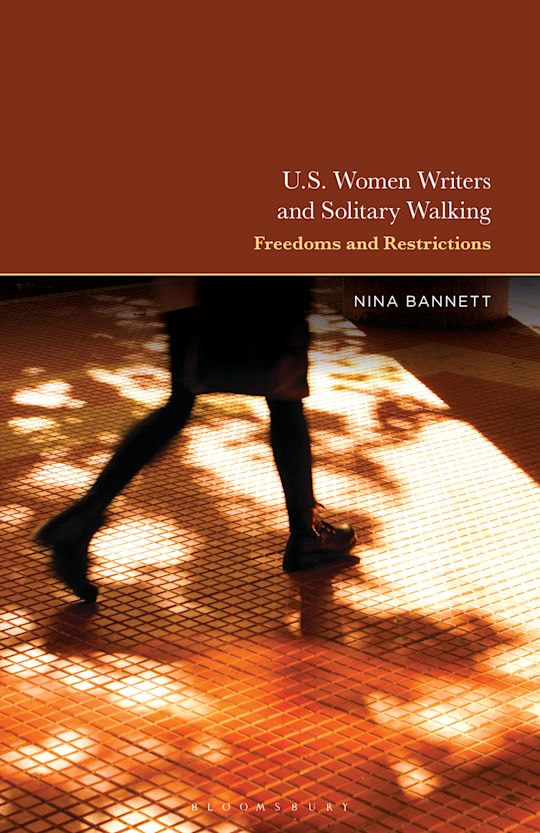
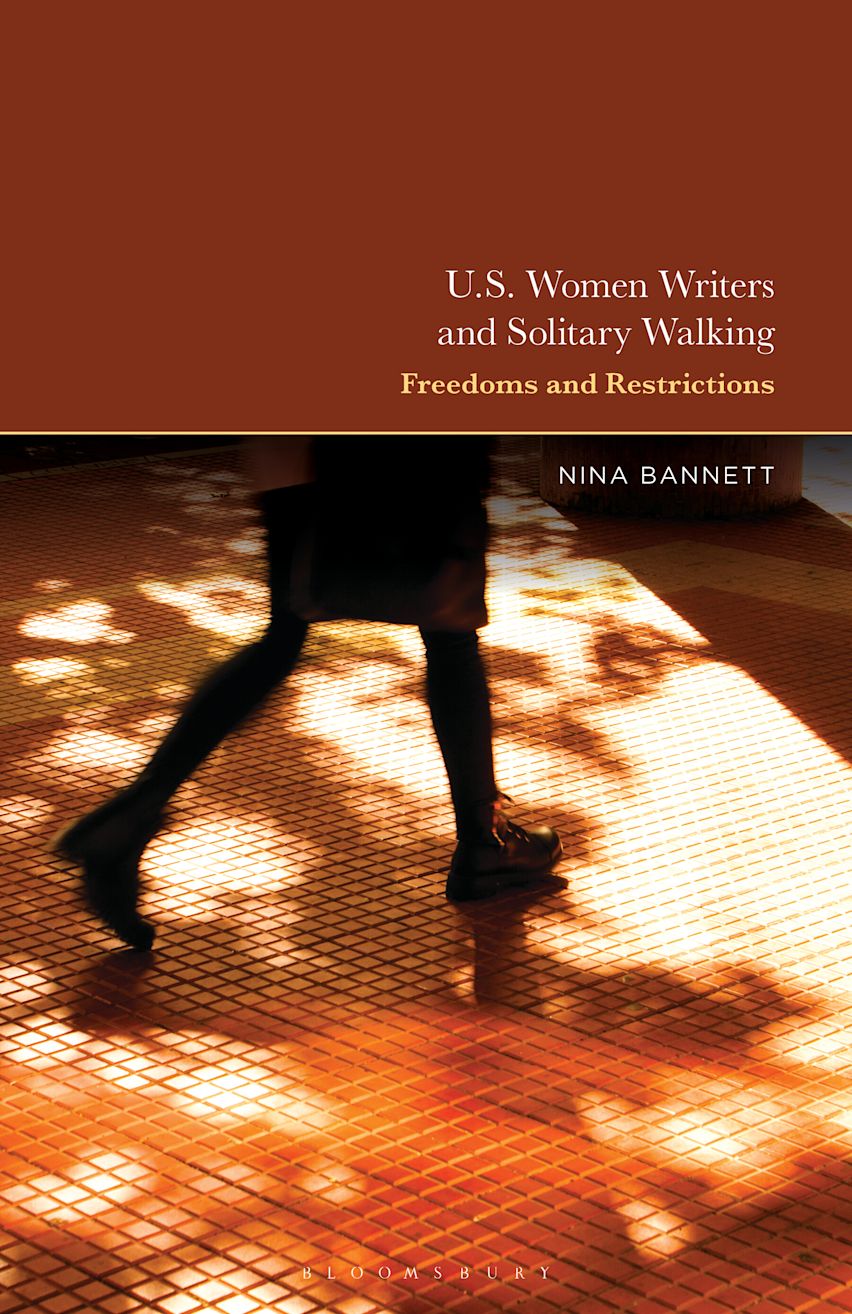
Nina Bannett offers a full-length investigation into the literary motif of women walking alone in American women's literature.
Using a historical, thematic, and interdisciplinary approach, Bannett considers how selected American women writers have imagined and represented women's solitary walking, and how this walking both frees and restricts them. By analyzing a wide range of literary texts-including slave narrative, short fiction, novels, memoir, essays, and scholarly writing-Bannett argues that women's solitary walking is not a static feminist metaphor. Danger, empowerment, protest, crisis: women's solitary walking embodies different states of being at different moments.
Moving beyond the flâneuse, Bannett examines women's solitary walking in the West, the South, the city and the suburbs. Considering race, age, and class in addition to geographic diversity and time periods, U.S. Women Writers and Solitary Walking argues that women writing about walking, in fiction and non-fiction, constitutes a type of feminist tradition. The book considers canonical fiction writers including Charlotte Perkins Gilman, Kate Chopin, Mary Austin, Eudora Welty, Flannery O'Connor, and Ann Petry along with newer writers like Jamie Quatro and Lauren Groff. It also examines non-fiction including works by Harriet Jacobs, Cheryl Strayed, Rahawa Haile, and Rebecca Solnit. By following American women writers' footsteps, readers will be able to understand women's solitary walking as a metaphor that is now able to bestow more agency despite its rocky past.
Accessibility Information
Additional accessibility information
- PDF/UA-2, 1.4
- accessibility@bloomsbury.com
Hazards
The publication contains no hazards
Support for non-visual reading
Has alternative text descriptions for images
Navigation
- Page list to go to pages from the print source version
- Elements such as headings, tables, etc for structured navigation
- All or substantially all textual matter is arranged in a single logical reading order
Table of Contents
Introduction
1. “I Had To Creep Over Him Every Time”: U.S. Women Walking Alone into the Turn of the Twentieth Century
2. Solitary Walking as Feminist Practice in Mary Austin's “The Walking Woman”
and Cheryl Strayed's Wild
3. No Leg to Stand On?: Solitary Walking as Protest in Southern Women's Writing
4. “My Dangerous Dark Streets”: The Solitude of Women's Urban and Suburban Walking in Ann Petry's The Street and Lauren Groff's “Ghosts and Empties”
5. Embedded Narratives: Female Critics, Autotheory, and Solitary Walking in the Twenty-First Century
Conclusion
Notes
Works Cited
About the Author
Product details

| Published | 15 Apr 2027 |
|---|---|
| Format | Ebook (PDF) |
| Edition | 1st |
| Pages | 176 |
| ISBN | 9798216276012 |
| Imprint | Bloomsbury Academic |
| Publisher | Bloomsbury Publishing |
Reviews
Related Titles