What Do We Know about Terrorism?
- Textbook
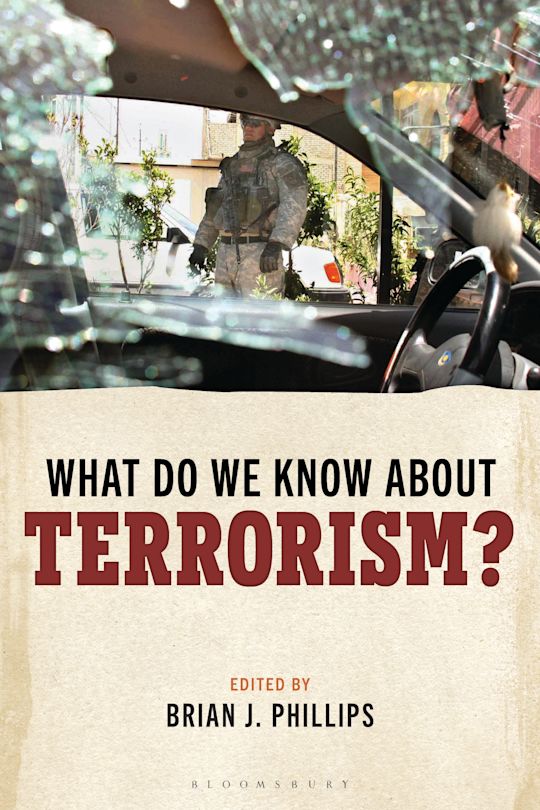

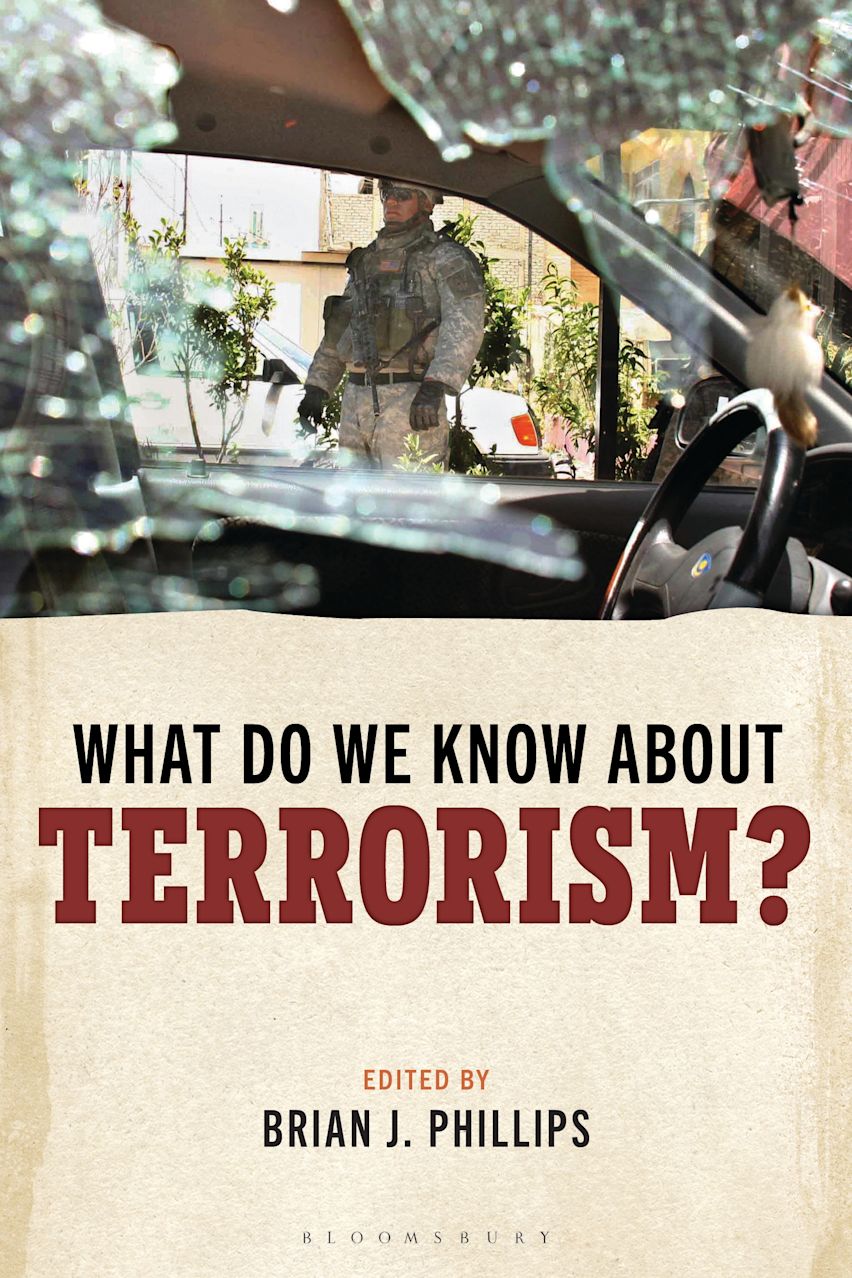
What Do We Know about Terrorism?
- Textbook
Description
Terrorism-political violence against civilians meant to inspire fear in a wider audience, usually carried out by non-state actors-has occurred for millennia and has been studied seriously by researchers since at least the 1970s. The attacks of September 11, 2001, and subsequent wars have brought a considerable amount of attention to the topic in the ensuing decades. What Do We Know about Terrorism? addresses these developments, engaging with key topics such as definitions of terrorism, terrorism and social media, terrorism in civil war, and deradicalization. Timely chapters from top scholars in the field introduce students to major datasets and puzzles that guide current and future research in terrorism studies, defining the unique characteristics of terrorism compared to other forms of political violence.
The blend of empirical research findings, theoretical innovation, and grounded cases and examples gives students a holistic understanding of this crucial area of political science and international relations. Brian Phillips compiles in this volume the most important insights into what scholars know about terrorism and encourages students and academics alike to be part of this scholarly conversation.
Accessibility Information
Additional accessibility information
- PDF/UA-2, 1.4
- accessibility@bloomsbury.com
Hazards
The publication contains no hazards
Support for non-visual reading
Has alternative text descriptions for images
Navigation
- Page list to go to pages from the print source version
- Elements such as headings, tables, etc for structured navigation
- All or substantially all textual matter is arranged in a single logical reading order
Table of Contents
PART I: INTRODUCING TERRORISM
1. Definitions of Terrorism, Seray Yalaz (American University, USA) and Joseph K. Young (University of Kentucky, USA)
2. Structural Explanations of Terrorism, James A. Piazza (Pennsylvania State University, USA)
3. What Terrorism Does: A Critical Terrorism Studies Approach, Harmonie Toros (University of Reading, UK)
PART II: TERRORISM ISSUES TODAY
4. Why Individuals Engage in Terrorism: From Group Dynamics to Online Radicalization, Sophia Moskalenko (Georgia State University, USA)
5. What Do We Know About the Organizational Dynamics of Terrorism?, Victor Asal (University at Albany, USA), Amira Jadoon (Clemson University, USA), Gary Ackerman (University at Albany, USA), and Burcu Pinar Alakoc (University of Chicago, USA)
6. Financing Terrorism, Hyeran Jo (Texas A&M University, USA)
7. Terrorism in Civil War, Virginia Page Fortna (Columbia University, USA)
8. Transnational Dimensions of Terrorism, Alex Braithwaite (University of Arizona, USA)
9. Terrorism and Social Media, Tamar Mitts (Columbia University, USA) and Nusrat Farooq (Yale University, USA)
10. Understanding Right-Wing Terrorism: Trends, Threats, and Responses, Holley E. Hansen (Oklahoma State University, USA)and Stephen C. Nemeth (Oklahoma State University, USA)
11. Cruel Intentions: Women, Terrorism, and Violence, Mia Bloom (Georgia State University, USA)
12. Democracy and Terrorism, Sambuddha Ghatak (San Diego State University, USA)
PART III: ENDING TERRORISM?
13. Factors Determining Terrorist Group Termination and Survival, Graig R. Klein (Leiden University, Netherlands)and Efe Tokdemir (Bilkent University, Turkey)
14. Terrorist Disengagement and Deradicalization, Emma Leonard Boyle (Pennsylvania State University, USA)
15. The Future of Terrorism in an Age of Disinformation, Navin A. Bapat, (University of North Carolina, USA)
Product details

| Published | 15 Oct 2026 |
|---|---|
| Format | Ebook (PDF) |
| Edition | 1st |
| Pages | 360 |
| ISBN | 9798765151976 |
| Imprint | Bloomsbury Academic |
| Illustrations | 10 b/w figures |
| Series | What Do We Know about International Relations |
| Publisher | Bloomsbury Publishing |

ONLINE RESOURCES
Bloomsbury Collections
This book is available on Bloomsbury Collections where your library has access.
Related Titles