What Is Necessary for Special Education to Work

An Unrealized Potential

  • Textbook
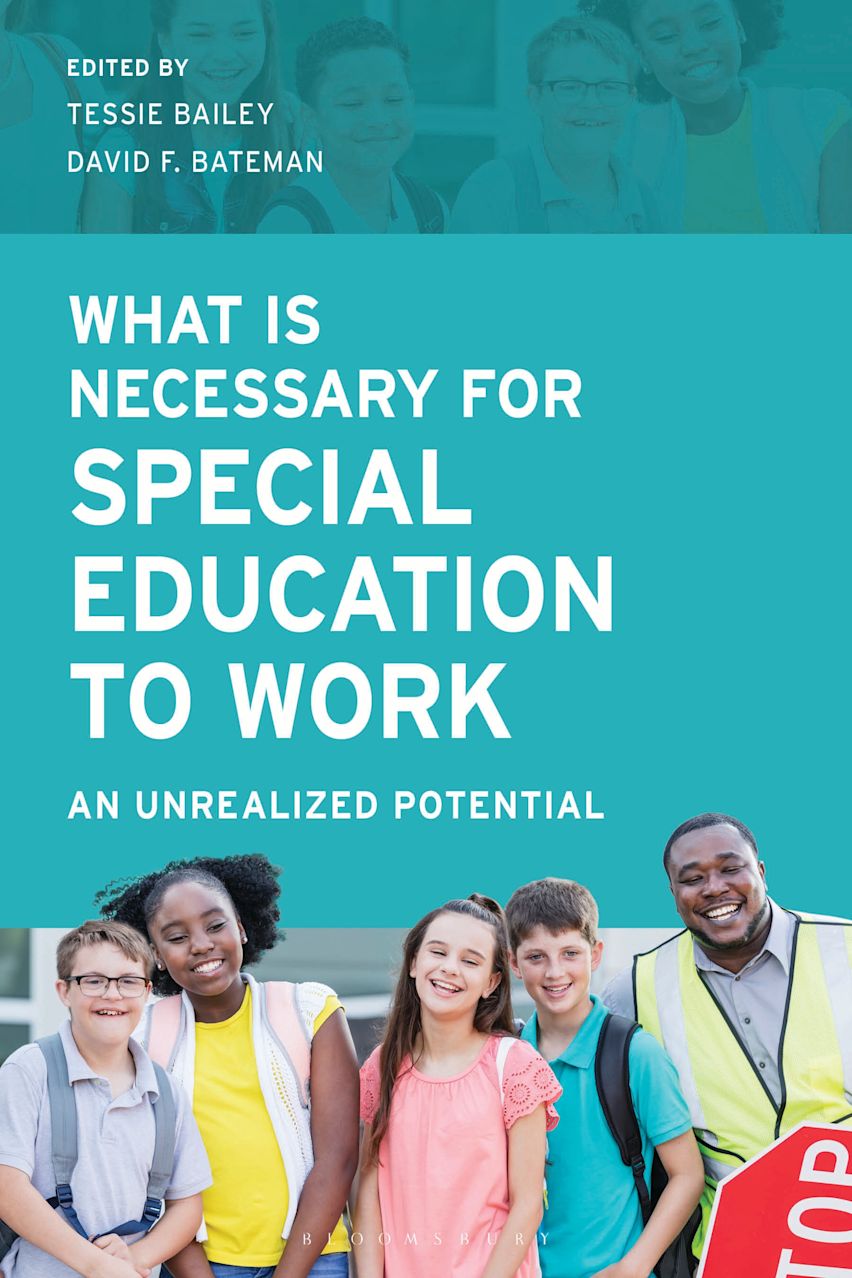
What Is Necessary for Special Education to Work cover

What Is Necessary for Special Education to Work

An Unrealized Potential

  • Textbook
₹2933.00
This title is available for inspection copy requests

Description

This book offers a thought-provoking and multi-faceted analysis of the special education system. The book opens by critically examining the current state of special education, setting a foundational tone for the entire narrative. It raises the crucial question of envisioning an effective and responsive special education system, a question guiding the whole book.

Realizing the true potential of special education demands a comprehensive and multi-faceted strategy transcending traditional educational boundaries and embraces systemic reform, individualized learning approaches, and community engagement. There is the need for systemic reform; a complete overhaul of existing policies and legislation to ensure we fully support and enhance the rights and educational experiences of students eligible for special education and related services. Such reform must prioritize accessibility, equity, and inclusion, ensuring resources are not only allocated generously but also utilized effectively, with clear accountability mechanisms in place to track their impact on student outcomes.

Central to unlocking the potential of special education is the improvement of individualized educational plans. These plans should extend beyond mere academic objectives to encompass social, emotional, and life skills development, tailored to meet the educational experience and unique needs and strengths of each student. This approach underscores the importance of preparing students for life's diverse challenges, not just academic achievements.

Empowering educators and special education professionals are equally critical in this journey. By providing them with ongoing professional development opportunities, access to the latest instructional strategies and research, and fostering a collaborative and supportive work environment, we can enhance their ability to deliver high-quality, evidence-based education. Recognizing and addressing the emotional and physical well-being of these professionals is also vital, given the demanding nature of their roles.

The integration of inclusive education practices represents important component in realizing the full potential of special education. By embedding special education within the broader educational framework, creating inclusive, we not only enhance the learning experience for students with special needs but also enrich the educational journey for all students. Such environments promote empathy, diversity, and mutual respect, key components of a holistic educational experience.

Engaging families and the wider community in the educational process is also essential. Strong, collaborative relationships between schools, families, and community resources can create a robust support network for students, providing both academic and socio-emotional support that extends beyond the classroom walls. This collaborative approach ensures students receive the comprehensive support they need to thrive.

Furthermore, leveraging technology and innovation can play a pivotal role in enhancing special education. From assistive technologies that improve accessibility to adaptive learning software that personalizes the educational experience, technology offers tools that can significantly enrich the learning environment for students with special needs. However, the integration of technology must be thoughtful and strategic, ensuring it serves pedagogical purposes and addresses the unique needs of each student.

Lastly, the commitment to evidence-based practices and continuous improvement is fundamental. Adopting instructional strategies and interventions that are grounded in solid research and continuously evaluating the effectiveness of these practices is crucial. Creating a culture that values innovation, encourages experimentation, and learns from both successes and failures can drive the evolution of special education practices, ensuring they remain responsive to the changing needs of students.

Accessibility Information

Additional accessibility information

  • PDF/UA-2, 1.4
  • accessibility@bloomsbury.com

Hazards

The publication contains no hazards

Support for non-visual reading

Has alternative text descriptions for images

Navigation

  • Page list to go to pages from the print source version
  • Elements such as headings, tables, etc for structured navigation
  • All or substantially all textual matter is arranged in a single logical reading order

Table of Contents

Chapter 1. In Their Words: Voices from the Frontlines
Chapter 2. Cultivating a Community Where All Students Belong
Chapter 3: Assessment: What Would It Take For It To Work?
Chapter 4: Special Education and Specially Designed Instruction
Chapter 5: Related Services: What Would It Take for It to Work?
Chapter 6: Progress Monitoring: What Would It Take to Work?
Chapter 7: General Education Teachers: What Would it Take?
Chapter 8: Principals and Special Education: What Would It Take for It to Work?
Chapter 9: Paraprofessionals: What Would It Take for It to Work?
Chapter 10: A World Without Labels
Chapter 11: Building Bridges: Connecting Schools, Families, and Communities
Chapter 12: Empowering Educators: Professional Development, Continuous Learning, Emotional and Mental Well-being for Teachers
Chapter 13: A State Test Case: Rhode Island's Advocacy-to-Policy Path
Chapter 14: If It Doesn't Work – Options Available for Resolving IDEA Disputes, and Room for Improvement The Unique Context of Special Education Disputes and Why It Matters
References
Index
About the Authors

Product details

Bloomsbury Academic Test
Published 12 Nov 2026
Format Ebook (PDF)
Edition 1st
Pages 272
ISBN 9798216494270
Imprint Bloomsbury Academic
Illustrations 2 B/W figures
Series Special Education Law, Policy, and Practice
Publisher Bloomsbury Publishing

About the contributors

Author

Tessie Bailey

Tessie Bailey, PhD, is the Director of the PROGRES…

Author

David F. Bateman

David F. Bateman, PhD, is a Special Education Cons…

Related Titles

Environment: Staging