
Description
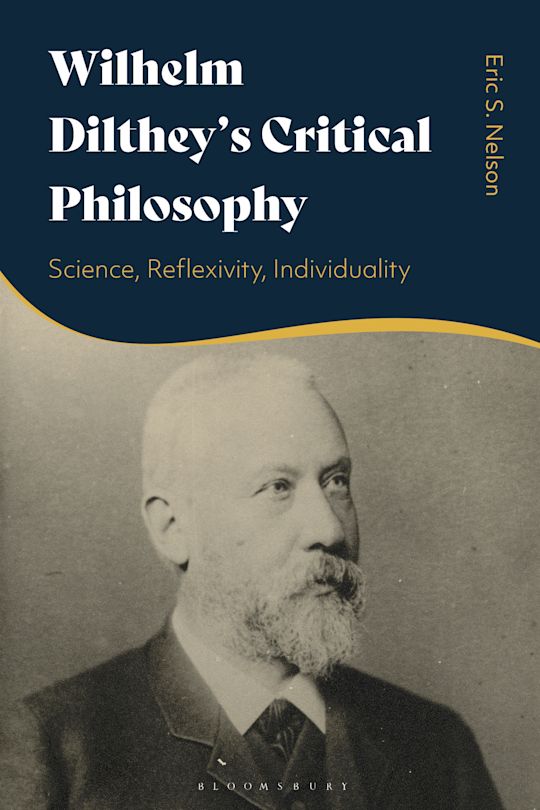
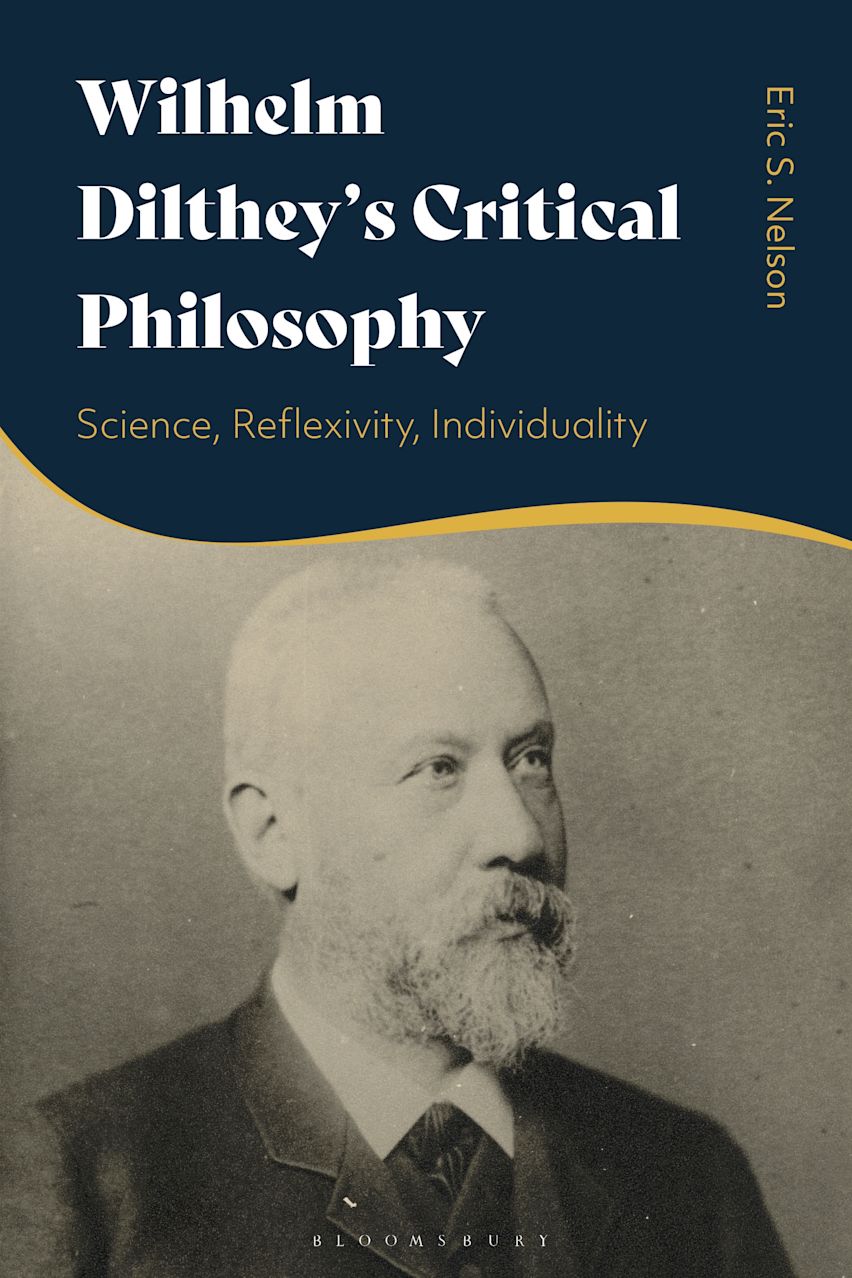
A systematic and historical account of the thought of 19th-century philosopher Wilhelm Dilthey.
Eric Nelson's inquiry into Wilhelm Dilthey's critical philosophy draws on publications, correspondence, and lecture-courses neglected in English language accounts. Written in the spirit of Dilthey's own project of a critique of historical reason, Nelson traces the development of his epistemology, philosophy of science, and structuralist transformation transcendental philosophy.
Nelson explores the historically embodied self-reflexivity, rationality, and science that Dilthey is principally known for. We see how his interpretive epistemology is an ambitious attempt to overcome the aporias of the idealist philosophy of constitutive consciousness. Nelson shows us how his structural-interpretive psychology offered an alternative in the new field of psychology. He follows how his distinctive conception of socially structured individualism brought him into conflict with Hegelian social philosophy and the emerging field of sociology.
By tracing the formation of Dilthey's defining ideas, Nelson connects Dilthey's early, middle, and late writings into a single, coherent narrative. He corrects misunderstandings of individualism, interpretive structuralism, and the reflexive, interpretive turn from nature to spirit. His compelling exploration of Dilthey' sources and influences, his early reception and his later legacy presents Dilthey's philosophy from its own perspective for the first time.
Accessibility Information
Additional accessibility information
- PDF/UA-2, 1.4
- accessibility@bloomsbury.com
Hazards
The publication contains no hazards
Support for non-visual reading
Has alternative text descriptions for images
Navigation
- Page list to go to pages from the print source version
- Elements such as headings, tables, etc for structured navigation
- All or substantially all textual matter is arranged in a single logical reading order
Table of Contents
1. Introduction: Dilthey and his Contexts
2. The Young Dilthey
3. Dilthey's Introduction to the Human Sciences (1883)
4. Psychology, Structure, and Understanding
5. Aesthetics, Hermeneutics, and the Rediscovery of Hegel (1887-1905)
6. Critical Self-Reflection, Science, and the Philosophy of Worldviews (1907-1911)
7. Dilthey's Formation of the Historical World in the Human Sciences (1910)
8. Dilthey's Legacy and Conclusion
Bibliography
Index
Product details

| Published | 24 Dec 2026 |
|---|---|
| Format | Ebook (PDF) |
| Edition | 1st |
| Pages | 216 |
| ISBN | 9781350656307 |
| Imprint | Bloomsbury Academic |
| Publisher | Bloomsbury Publishing |
Reviews
Related Titles