Constructing Race in Early Modern Venice
Making the Figure of the ‘Moor’, 1600-1800

Constructing Race in Early Modern Venice
Making the Figure of the ‘Moor’, 1600-1800
Buying pre-order items
Ebooks and Audiobook
You will receive an email with a download link for the ebook or audiobook on the publication date.
Payment
You will not be charged for pre-ordered books until they are available to be shipped. Pre-ordered ebooks will not be charged for until they are available for download.
Amending or cancelling your order
For orders that have not been shipped you can usually make changes to pre-orders up to 72 hours before the publishing date.
Payment for this pre-order will be taken when the item becomes available
Description
Venice's early modern workshops were celebrated hubs of creative innovation and artistic skill, and yet, as this book reveals, they also produced caricatures of ethnic minorities that not only reflected, but helped form, conceptual constructions of race across Europe during the period.
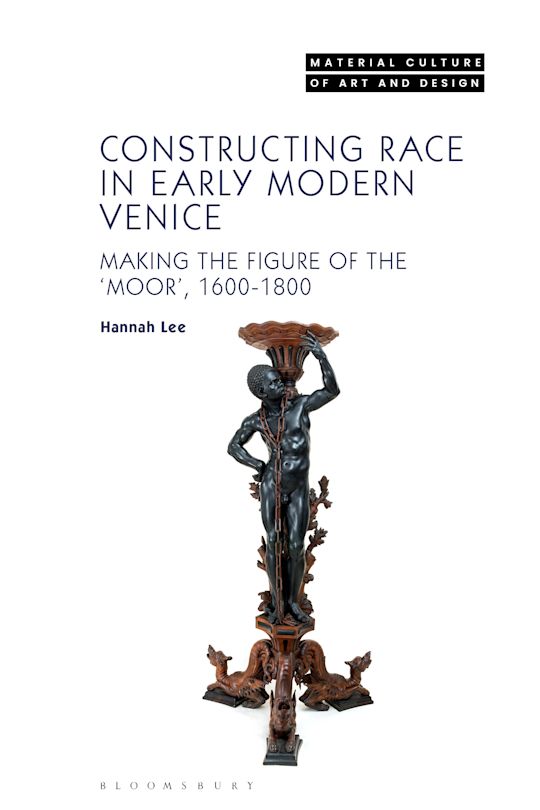
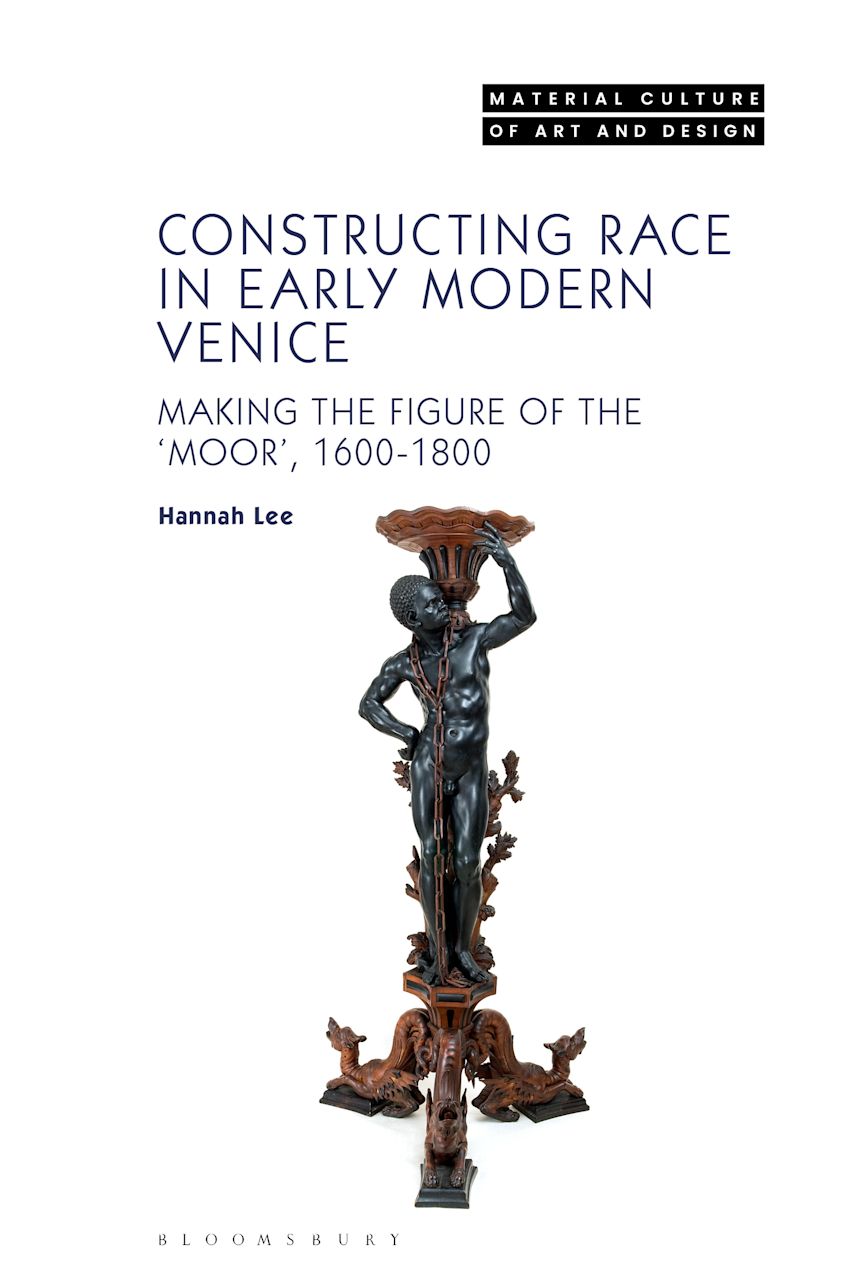
This book explores the development of these ideas through the creation of figures and symbols, it highlights how Venice, as a global trading centre with a rich carnival and opera culture, gave rise to wider European perceptions of race through its material culture. From the beginning of the 17th century, carved wooden figures known as mori or moretti were on display in the homes of the Venetian elites. Most often designed for practical functions, they also echoed the roles occupied by living servants and enslaved people. Side-lined from scholarly attention, these objects have previously been generalized as European representations of exoticism. However, drawing on extensive archival evidence and material and visual analysis of surviving objects, this book explores how they worked in service to the objectification and racialization of the Black body.
The book returns agency and significance to these sculpted wooden 'moor' figures as at it maps out the making process, from structural formation of the body in the woodcarving workshop, to a discussion of the symbolic function of black lacquer and the use of colourful paint, gilding, gold ornament and finishing. While it centres this phenomenon in the specific context of Venice's social, political, and economic history, it also locates the popularity of these pieces within wider discourses related to race and enslavement. In this wider context, the book draws upon travel literature, artisanal and medical treatises, cartographic material, portraits, and costume books to reveal the subtle and powerful role the decorative arts play in the formation of cultural ideologies.
Accessibility Information
Additional accessibility information
- PDF/UA-2, 1.4
- accessibility@bloomsbury.com
Hazards
The publication contains no hazards
Support for non-visual reading
Has alternative text descriptions for images
Navigation
- Page list to go to pages from the print source version
- Elements such as headings, tables, etc for structured navigation
- All or substantially all textual matter is arranged in a single logical reading order
Table of Contents
Abbreviations
Acknowledgements
Introduction: Making the 'Moor' in Early Modern Venice
Part One: The Form of the Moor
1. Makers and Materials
2. Between Old and New Worlds: Classical Imagery and Cartography
3. A Visual Culture of Enslavement
Part Two: Making Skin
4. Lacquer, the Familiar 'Other' and Venetian Identity
5. The Materiality of Blackness: Race and Luxury
Part Three: Performance and Display
6. Imitating Life, Performing Service: The Moor on Display
7. 'The Mask of a Moor': Performing Race in Early Modern Venice
Conclusion
Bibliography
Index
Product details
| Published | 04 Feb 2027 |
|---|---|
| Format | Ebook (PDF) |
| Edition | 1st |
| Pages | 208 |
| ISBN | 9781350536906 |
| Imprint | Bloomsbury Visual Arts |
| Illustrations | 68 bw illus |
| Series | Material Culture of Art and Design |
| Publisher | Bloomsbury Publishing |
Related Titles