The European Unity League
Sir Max Waechter and the European Idea, 1904-1924
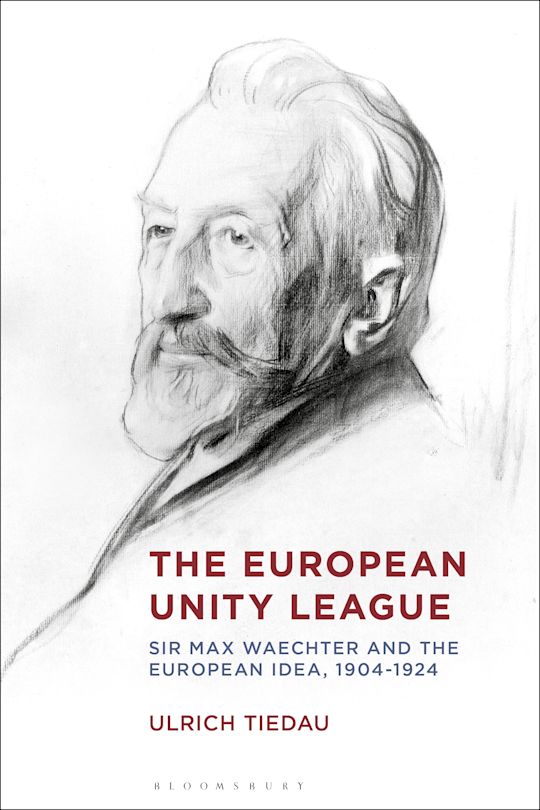

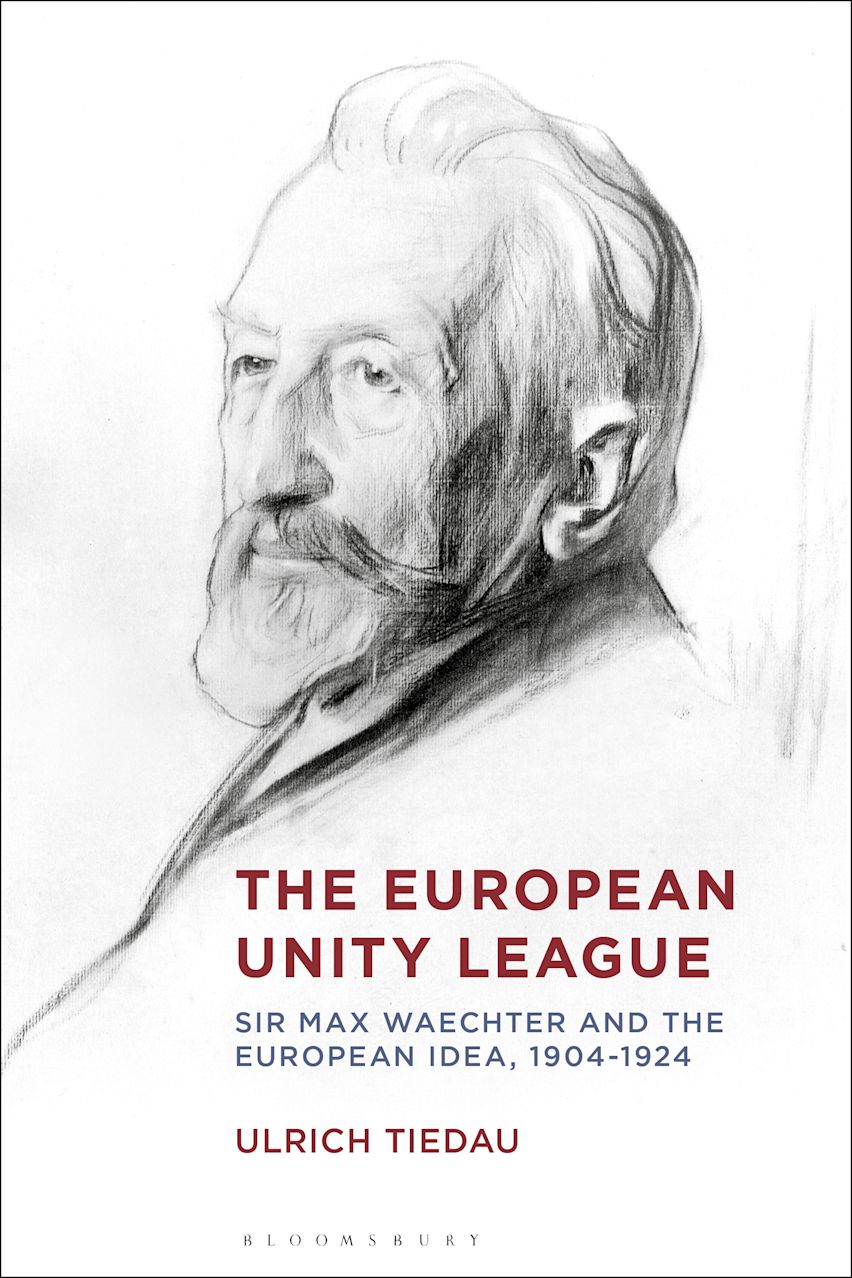
The European Unity League
Sir Max Waechter and the European Idea, 1904-1924
Description
This book uncovers a largely forgotten early vision of European unity that emerged in Britain before the First World War.
By tracing the remarkable career of Sir Max Waechter (1837–1924), entrepreneur, philanthropist and the British representative of the Nobel brothers' Caspian oil interests, it reveals how British actors were among the earliest in arguing that Europe's growing rivalries could be addressed through closer economic cooperation and political understanding. The study shows that ideas of a federated Europe were already being energetically developed, debated and promoted before 1914.
Central to the book is Waechter's creation of the European Unity League, whose ambitious programme provides a fresh lens to reassess the intellectual and political climate of the pre-war years. Drawing on extensive archival research, the volume reconstructs Waechter's 1906 manifesto to King Edward VII, his extraordinary diplomatic tour across the continent aboard the former Austrian archducal yacht Rovenska and his ability to secure audiences with most reigning heads of state, despite opposition from the Foreign Office. It follows how these efforts led to the 1909 Inaugural Congress of the European Federation in Rome, co-organized with the Italian pacifist Prince di Cassano (1855–1926), and the formal establishment of the League in London in 1913.
Although the outbreak of war curtailed its activities, the League stands as one of the earliest mass movements for European unity, anticipating Richard von Coudenhove-Kalergi's better-known interwar Pan-European Union by two decades and a world war.
By situating Waechter's campaign within broader British and European debates about armaments, decline and the future of the continent, the book offers a new understanding of the roots of the European idea and of Britain's unexpected role in shaping it. Written accessibly, it will appeal to readers interested in modern European history, international politics and the life of a visionary yet overlooked figure.
Accessibility Information
Additional accessibility information
- PDF/UA-2, 1.4
- accessibility@bloomsbury.com
Hazards
The publication contains no hazards
Support for non-visual reading
Has alternative text descriptions for images
Navigation
- Page list to go to pages from the print source version
- Elements such as headings, tables, etc for structured navigation
- All or substantially all textual matter is arranged in a single logical reading order
Table of Contents
2. Sir Max Waechter's early life and career in business (1837–1904)
3. The European Unity League (1904–24)
4. Literary Propaganda for the European Unity League (1912–14)
5. The First Congress of the European Federation, Rome 1909
6. The European Unity League's afterlife
7. The British Grandfather of the European Movement
8. Epilogue
Appendix: Selected documents
Notes
Archival Sources
Works Cited
Index
Product details

| Published | 11 Jun 2026 |
|---|---|
| Format | Ebook (PDF) |
| Edition | 1st |
| Pages | 344 |
| ISBN | 9781350273306 |
| Imprint | Bloomsbury Academic |
| Illustrations | 15 bw illus |
| Publisher | Bloomsbury Publishing |

Reviews

ONLINE RESOURCES
Bloomsbury Collections
This book is available on Bloomsbury Collections where your library has access.
Related Titles