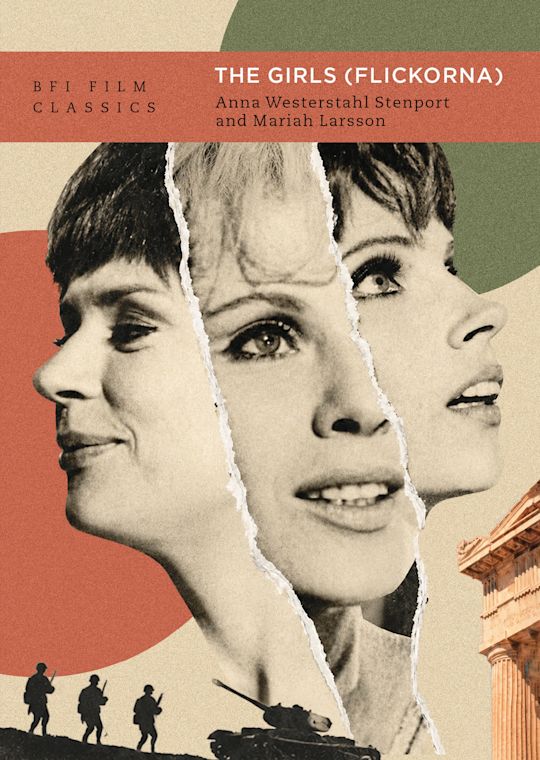

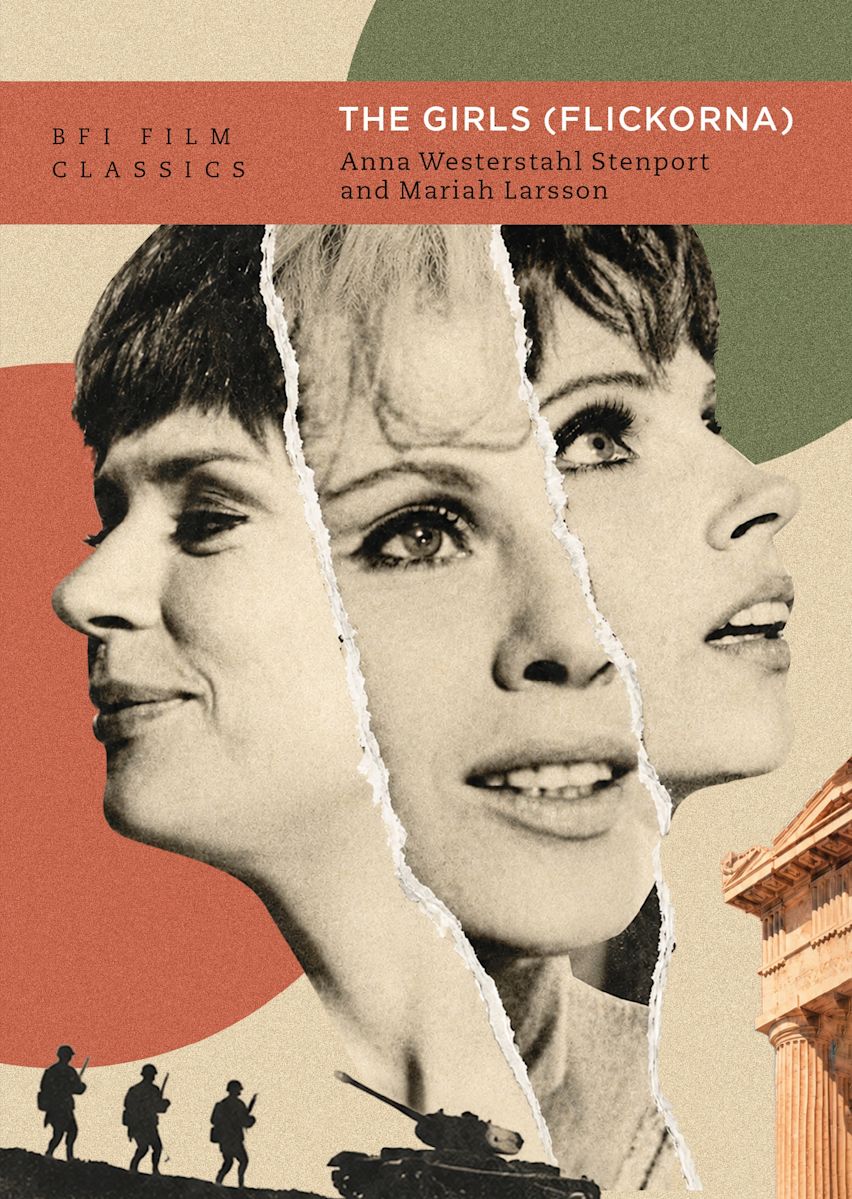
The Girls (Flickorna)
Buying pre-order items
Ebooks and Audiobook
You will receive an email with a download link for the ebook or audiobook on the publication date.
Payment
You will not be charged for pre-ordered books until they are available to be shipped. Pre-ordered ebooks will not be charged for until they are available for download.
Amending or cancelling your order
For orders that have not been shipped you can usually make changes to pre-orders up to 72 hours before the publishing date.
Payment for this pre-order will be taken when the item becomes available
- Delivery and returns info
-
Free UK delivery on orders £30 or over
Description
Mai Zetterling's 1968 drama, The Girls (Flickorna), follows the lives of three actresses performing in a touring production of Aristophanes' Lysistrata. As the film progresses, their personal lives become increasingly intertwined with the roles they play, blurring the boundaries between their real and imagined selves. The film received a mixed response upon its release, considered too experimental in its style and too radical in its messaging, but has since become a landmark of feminist filmmaking, screening continuously at festivals and special programs for nearly seventy years.
Drawing on previously unpublished materials from the Swedish Film Institute, Anna Stenport and Mariah Larsson explore the film's formal and aesthetic experimentations, highlighting Zetterling's seamless blending of Scandinavian design elements with the whimsical pop-art trends characteristic of London during the Swinging Sixties. They analyse the contributions of cinematographer Rune Ericson, editor Wic' Kjellin, and costume designer Ulla-Britt Söderlund, as well as the lead performances by national icons Bibi Andersson, Harriet Andersson, and Gunnel Lindblom.
They also consider the film within Zetterling's long transnational career, exploring how international cinematic movements and cultural trends influenced both the film's style and its lukewarm initial reception. They contrast this against the film's rediscovery as a feminist classic, one that has inspired influential filmmakers like Chantal Akerman and Marguerite Duras.
Table of Contents
1. Introducing The Girls
2. Between Theatre and Cinema in The 1960s
3. Spatial Aesthetics of The Welfare State
4. The Long Life of The Girls
Notes
Credits
Product details
| Published | 13 May 2027 |
|---|---|
| Format | Paperback |
| Edition | 1st |
| Pages | 104 |
| ISBN | 9781805750420 |
| Imprint | British Film Institute |
| Illustrations | 60 bw illus |
| Dimensions | 190 x 135 mm |
| Series | BFI Film Classics |
| Publisher | Bloomsbury Publishing |
Related Titles