Government Without Newspapers
Local Politics in the Age of News Deserts
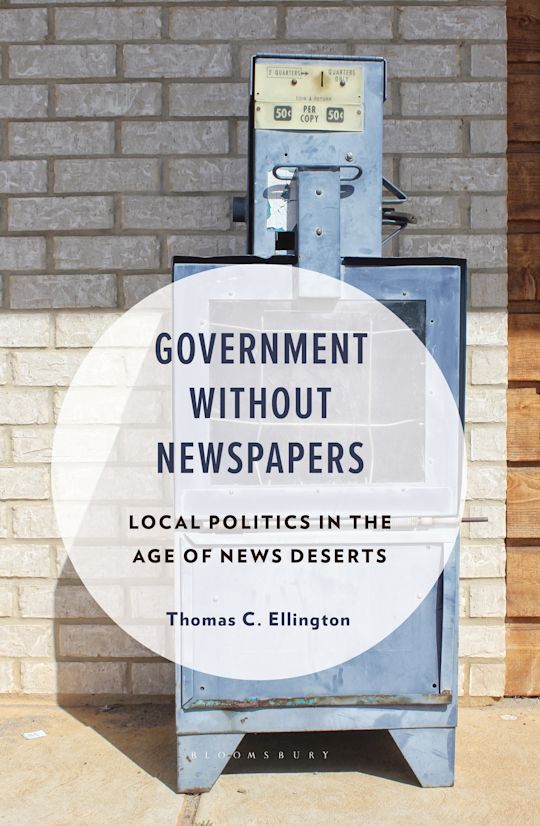

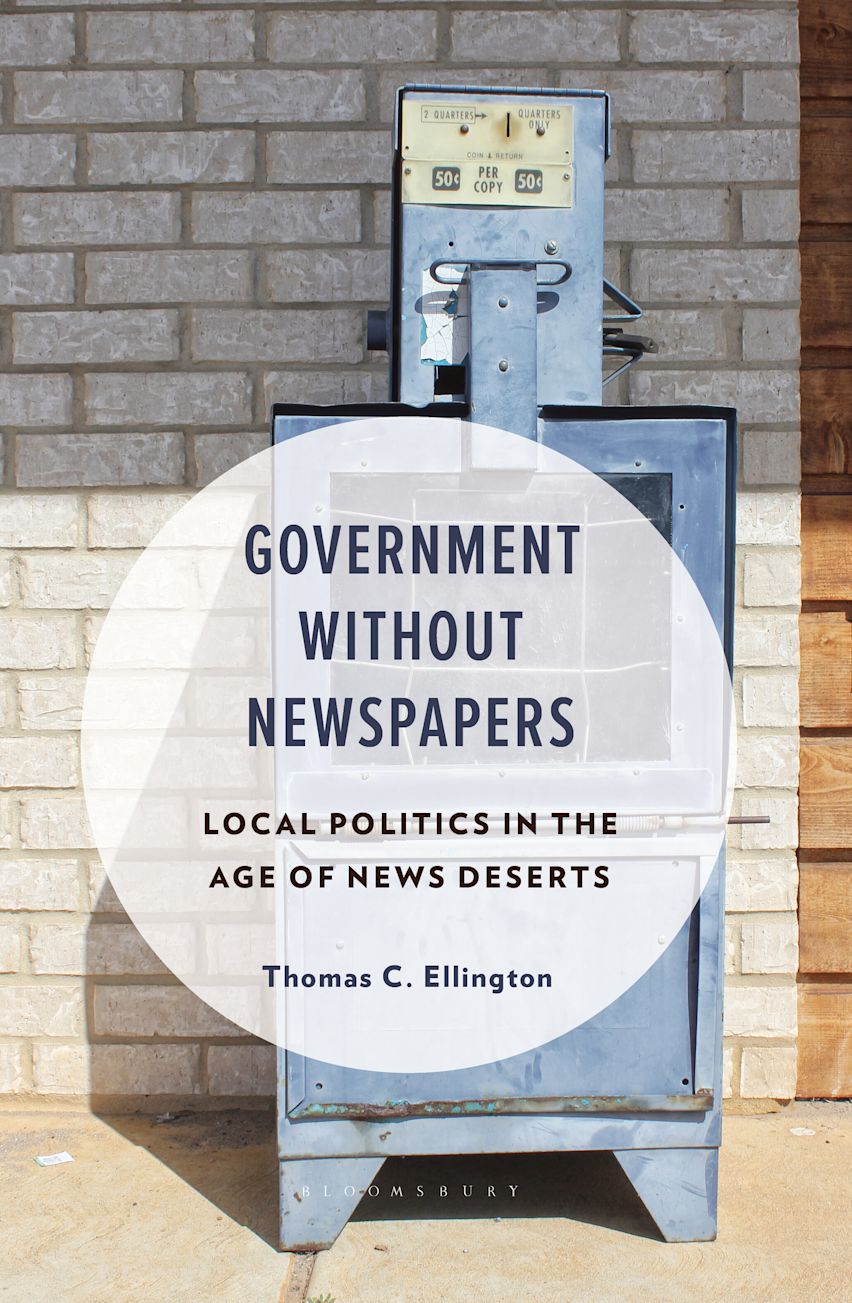
Government Without Newspapers
Local Politics in the Age of News Deserts
Buying pre-order items
Ebooks and Audiobook
You will receive an email with a download link for the ebook or audiobook on the publication date.
Payment
You will not be charged for pre-ordered books until they are available to be shipped. Pre-ordered ebooks will not be charged for until they are available for download.
Amending or cancelling your order
For orders that have not been shipped you can usually make changes to pre-orders up to 72 hours before the publishing date.
Payment for this pre-order will be taken when the item becomes available
- Delivery and returns info
-
Free UK delivery on orders £30 or over
Description
At least one-third of local governments in the United States no longer receive regular news coverage of their meetings from even a single reporter. Government Without Newspapers: Local Politics in the Age of News Deserts documents the impact of the decline of local news coverage on the communities that experience it. Thomas Jefferson's letter to Edward Carrington, wrote “[W]ere it left to me to decide whether we should have a government without newspapers, or newspapers without a government, I should not hesitate a moment to prefer the latter.” Many communities in the United States today are experiencing what Jefferson feared – government without newspapers and because of that there is a significant deficit in accountability. In those news desert communities, citizens are either left in the dark, or have to seek out second-best sources of information about what their representatives are doing. Even elected officials, who might be expected to find the lack of scrutiny beneficial, report struggling to communicate with constituents in the absence of traditional news. The news about local journalism is not all bad, though, as experiments in non-profit news and digital delivery show some promise for the future.
Table of Contents
Chapter 2: Evolution
Chapter 3: Collapse
Chapter 4: Life in News Deserts
Chapter 5: A Future for Local Journalism?
Appendix A: Survey methodology
Appendix B: Survey Items: CivicPulse Fall 2021 Survey
Appendix C: Survey Items: CivicPulse Spring 2023 Survey
Product details

| Published | 10 Dec 2026 |
|---|---|
| Format | Hardback |
| Edition | 1st |
| Pages | 192 |
| ISBN | 9781666961003 |
| Imprint | Bloomsbury Academic |
| Illustrations | 13 graphs |
| Dimensions | 229 x 152 mm |
| Publisher | Bloomsbury Publishing |

Reviews

ONLINE RESOURCES
Bloomsbury Collections
This book is available on Bloomsbury Collections where your library has access.
Related Titles