
Buying pre-order items
Ebooks and Audiobook
You will receive an email with a download link for the ebook or audiobook on the publication date.
Payment
You will not be charged for pre-ordered books until they are available to be shipped. Pre-ordered ebooks will not be charged for until they are available for download.
Amending or cancelling your order
For orders that have not been shipped you can usually make changes to pre-orders up to 72 hours before the publishing date.
Payment for this pre-order will be taken when the item becomes available
- Delivery and returns info
-
Free UK delivery on orders £30 or over
Description
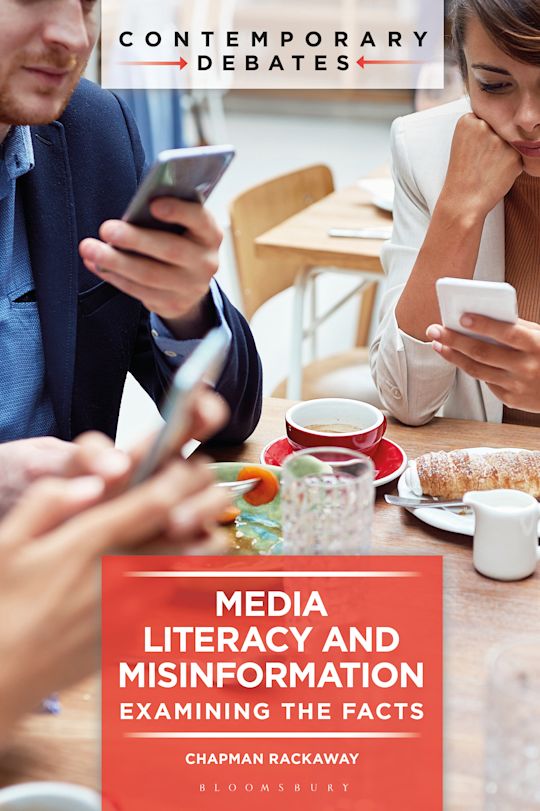
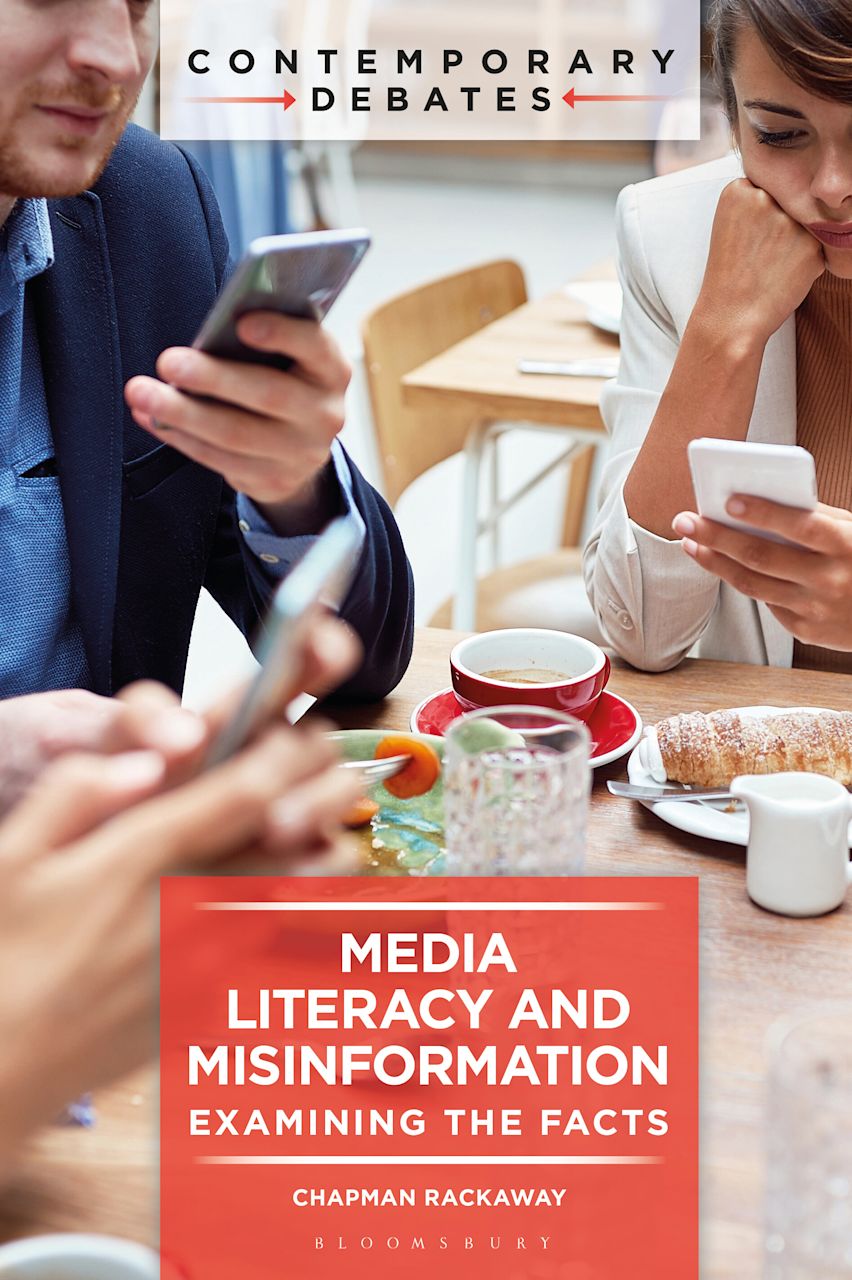
An authoritative and evenhanded resource for understanding media literacy, disinformation, and misinformation in America, including the impacts of social media, political polarization, partisan news outlets, civics education, and corporate consolidation of news media.
How has the rise of partisan and ideologically oriented news media exacerbated the problem of misinformation and disinformation in American society? How are social media platforms making it more difficult to increase media literacy and civic knowledge? Why have reliable sources of local news and information become more scarce in both rural and urban areas? Where did the term "fake news" originate and how has its meaning changed over time? Media Literacy and Misinformation answers these and many other important questions. With sections devoted to exploring the foundational building blocks of media literacy, the problematic ways in which news spreads on social media platforms and other online media, the impact of algorithms and artificial intelligence (AI), the rise in government censorship and intimidation of journalists and news organizations, and the media consumption patterns of Americans with both high and low levels of civic knowledge, this book provides readers with an impartial, one-stop resource for understanding one of the most vital issues of the 21st century.
Table of Contents
Acknowledgements
How to Use This Book
Introduction
1 Media Literacy: Critical Consumption of Information
Q1. What are the differences between misinformation and disinformation?
Q2. How does media literacy combat misinformation and disinformation?
Q3. What political forces have made media literacy skills more important?
Q4. How do media consumption phenomena like echo chambers, confirmation bias, and epistemic closure contribute to the spread of misinformation and disinformation?
Q5. Where did the term “fake news” originate and how has its meaning changed over time?
Q6. What level of civic knowledge and confidence do Americans have in governmental institutions and operations?
Q7. Do debunking efforts sometimes backfire and entrench belief in misinformation and disinformation?
Q8 What role do elites play in normalizing misinformation?
2 A Rapidly Changing Media Landscape
Q9. Does political polarization influence our media consumption choices?
Q10. What are the most popular and trusted news sources for Americans, and how do political beliefs reflect their news media choices?
Q11. How has the news media's role as a “watchdog” over the government changed?
Q12. How does journalistic “bothsides-ism” diminish public knowledge of important issues and areas of debate?
Q13. What challenges do “news deserts” pose to civic knowledge and public understanding of important issues and events?
Q14. Where does the United States rank on preserving journalistic freedom and independence compared to other countries?
Q15. How does social media consumption reduce traditional media consumption?
Q16. How do the United States and Europe differ in their regulatory responses to misinformation?
3 Social Media Platforms and Consumers
Q17. Have misinformation and disinformation eroded public trust in scientists, researchers, scholars, and other subject experts?
Q18. Are social media consumers more prone to share misinformation and disinformation?
Q19. How do algorithms contribute to political polarization and the spread of misinformation?
Q20. To what extent are foreign interests spreading misinformation and disinformation in US elections?
Q21. How can AI programs like ChatGPT be manipulated to generate misinformation on news topics?
Q22. Do the content moderation policies of social media companies influence the spread of falsehoods, misinformation, and hate speech on their platforms?
Q23. Has the explosion in podcasting contributed to the spread of misinformation and disinformation?
Q24. To What Extent Have Visual Media Transformed Political Communication?
4 Media Consumption Patterns and Their Impact on Civic Knowledge
Q25. Does media consumption alter a country's social capital?
Q26. Do media consumption trends influence the American public's attitudes toward government?
Q27. How do media consumption trends and habits influence American attitudes toward authoritarianism and the acceptability of political violence?
Q28. What are the media consumption trends of Americans most likely to believe false claims about the 2020 presidential election?
Q29. What are the media consumption trends of Americans most likely to believe false claims about the COVID-19 pandemic?
Q30. What are the media consumption trends of Americans most likely to believe false claims about climate change?
Q31. What social and political benefits accrue from increased media literacy and civic knowledge?
Q32. Can democratic deliberation survive the platform age?
Index
About the Author
Product details

| Published | 13 May 2027 |
|---|---|
| Format | Hardback |
| Edition | 1st |
| Pages | 256 |
| ISBN | 9798765139011 |
| Imprint | Bloomsbury Academic |
| Dimensions | 235 x 156 mm |
| Series | Contemporary Debates |
| Publisher | Bloomsbury Publishing |
Related Titles