
- Home
- ACADEMIC
- Sociology
- Sociology of Inequality and Social Divisions
- The Meritocracy Myth
Inspection copy added to basket
This title is available for inspection copy requests
Choose your preferred format. EU customers: we regret we cannot currently supply print inspection copies via the website but ebooks are available.
Please note ebook inspection copies are fulfilled by VitalSource™.
Buy from Bloomsbury eTextBooks
You are now leaving the Bloomsbury Publishing website. Your eBook purchase will be with our partner https://www.vitalsource.com.
Your credit card statement will show this purchase originating from VitalSource Technologies. They will also provide any technical assistance you might require.
You must sign in to add this item to your wishlist. Please sign in or create an account
Description
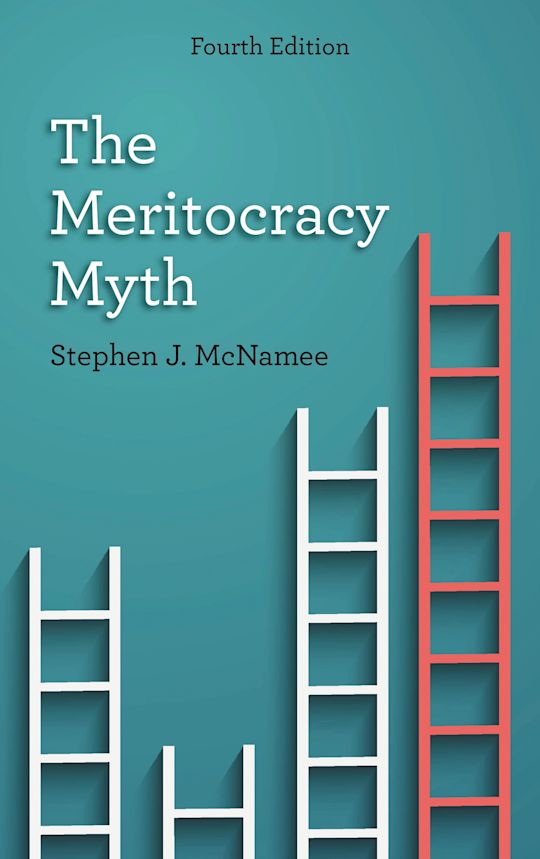
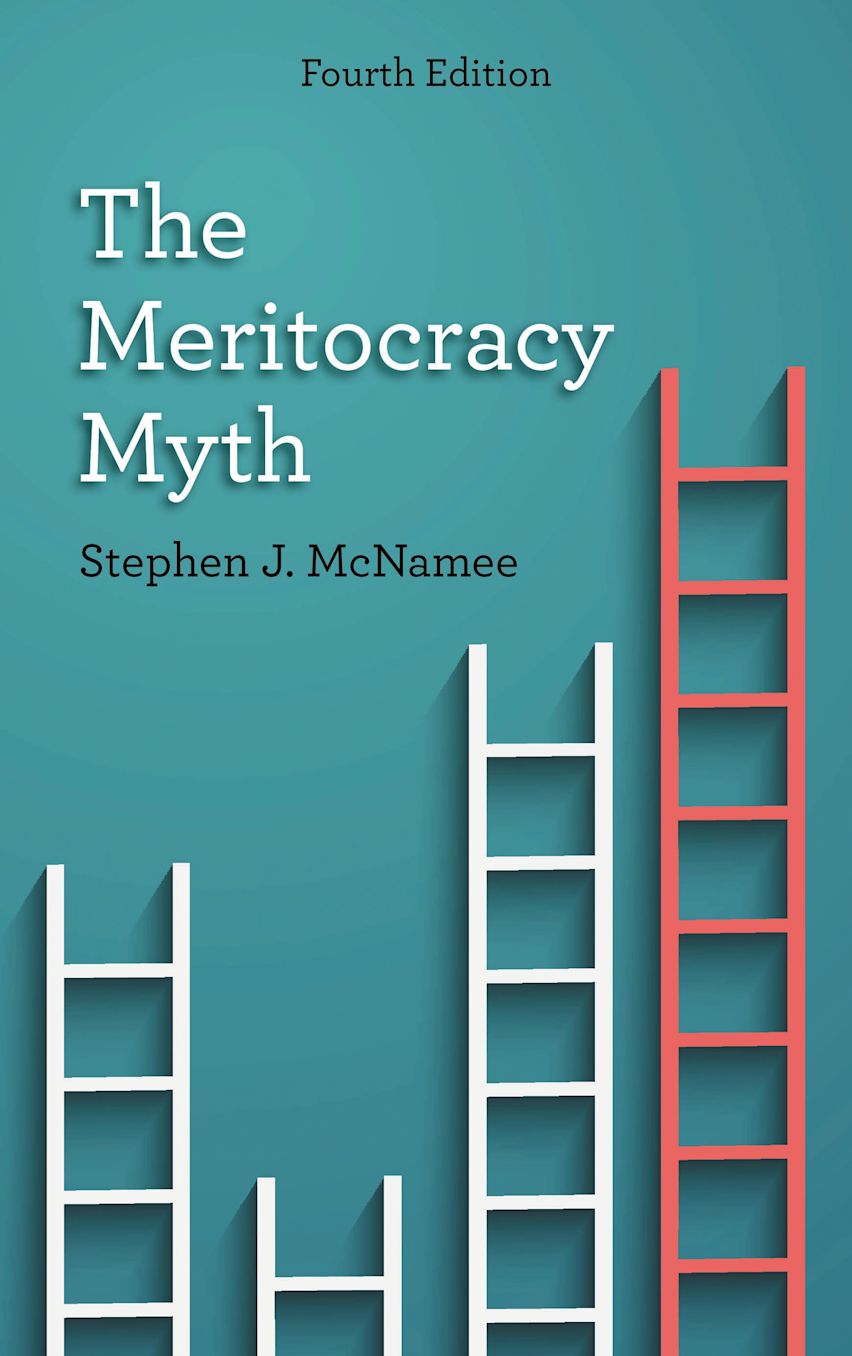
The Meritocracy Myth challenges the widely held American belief in meritocracy—that people get out of the system what they put into it based on individual merit. The book examines talent, attitude, work ethic, and character as elements of merit and evaluates the effect of nonmerit factors such as family background, social connections, luck, market conditions, unequal educational opportunities, and discrimination.
The fourth edition has been revised and streamlined throughout. It features new material on the current economic and political climate; the reasons behind the increasing levels of inequality in the United States and globally; how economic, social, and cultural factors shaped Donald Trump’s rise to political prominence, and more. The fourth edition includes a new chapter on marriage and mobility that examines how patterns in marriage tend to increase the concentration of wealth and pass on nonmerit advantages to children, furthering trends toward social inequality.
A compelling book on an often-overlooked topic, The Meritocracy Myth is ideal for introducing students to this provocative topic while sparking discussion and reflection.
Table of Contents
Chapter 2. On Being Made of the Right Stuff: The Case for Merit
Chapter 3. The Silver Spoon: Inheritance and the Staggered Start
Chapter 4. It’s Not What You Know But . . .: Social and Cultural Capital
Chapter 5. Making the Grade: Education and Mobility
Chapter 6. I Did It My Way: The Decline of Self-Employment and the Ascent of Corporations
Chapter 7. The Luck Factor: Being in the Right Place at the Right Time:
Chapter 8. Mobility Through Marriage: The Cinderella Effect
Chapter 9. An Unlevel Playing Field: Racism, Sexism, and Other Isms
Chapter 10. Growing Inequality in the Twenty-First Century: What Can Be Done?
Product details
| Published | 15 Mar 2018 |
|---|---|
| Format | Ebook (PDF) |
| Edition | 4th |
| Pages | 254 |
| ISBN | 9798881852849 |
| Imprint | Rowman & Littlefield |
| Publisher | Bloomsbury Publishing |
About the contributors
Reviews
-
Balanced, well written, and sharply focused on the vexing question of who gets ahead and why. McNamee challenges anyone who has an opinion on inequality, jarring the contented, encouraging the discouraged, and inspiring the activists. Now in its 4th edition, The Meritocracy Myth remains a necessary and welcome addition to the syllabus of courses on social inequality.
David J. Maume, Professor of Sociology, University of Cincinnati
-
In the land of opportunity, hard work and playing by the rules pays off and merit is rewarded by success. The wide-awake sociology of McNamee shines the bright light of reality on the myth to show that birth counts more and education less, and while luck is important, no one can count on it, and those who play by the rules often benefit least.
Paul Durrenberger, Pennsylvania State University
-
I don’t think there is a competitor that accomplishes what this book does—summarize the sociology of inequality in a clear, interesting, and succinct-yet-thorough fashion. The Meritocracy Myth provides a coherent perspective on the world. Many textbooks are a long mishmash of theories and facts; this one has a compelling message and point of view.
Scott Harris, Saint Louis University
-
The Meritocracy Myth exposes the deceptive American rhetoric that hard work, talent, and virtue are all that is necessary to make it to the top. With inequalities at the core of sociology, The Meritocracy Myth makes a valuable contribution to the field by closely examining the contributing mechanisms that perpetuate class disparities. For sociology students, reading The Meritocracy Myth is a great application of important sociological concepts and theories to explain how all of our lives are influenced by socioeconomic class arrangements. The fourth edition is as relevant as ever in highlighting the importance of cultural myths that justify the exceedingly inequitable distribution of wealth in our modern society.”
Beth Davison, Appalachian State University
-
The Meritocracy Myth exposes the deceptive American rhetoric that hard work, talent, and virtue are all that is necessary to make it to the top. With inequalities at the core of sociology, The Meritocracy Myth makes a valuable contribution to the field by closely examining the contributing mechanisms that perpetuate class disparities. For sociology students, reading The Meritocracy Myth is a great application of important sociological concepts and theories to explain how all of our lives are influenced by socioeconomic class arrangements. The fourth edition is as relevant as ever in highlighting the importance of cultural myths that justify the exceedingly inequitable distribution of wealth in our modern society.
Beth Davison, Appalachian State University
-
The Meritocracy Myth is an accessible text and a captivating subject of study for students from diverse backgrounds and disciplines, both undergraduates and graduates. The author provides an excellent introduction to the idea of the American Dream and its tenets as well as the notion of meritocracy as a characteristic and the dominant ideology of US society.
Wendy Brandon, Associate Professor of Education, Rollins College
ONLINE RESOURCES
Bloomsbury Collections
This book is available on Bloomsbury Collections where your library has access.